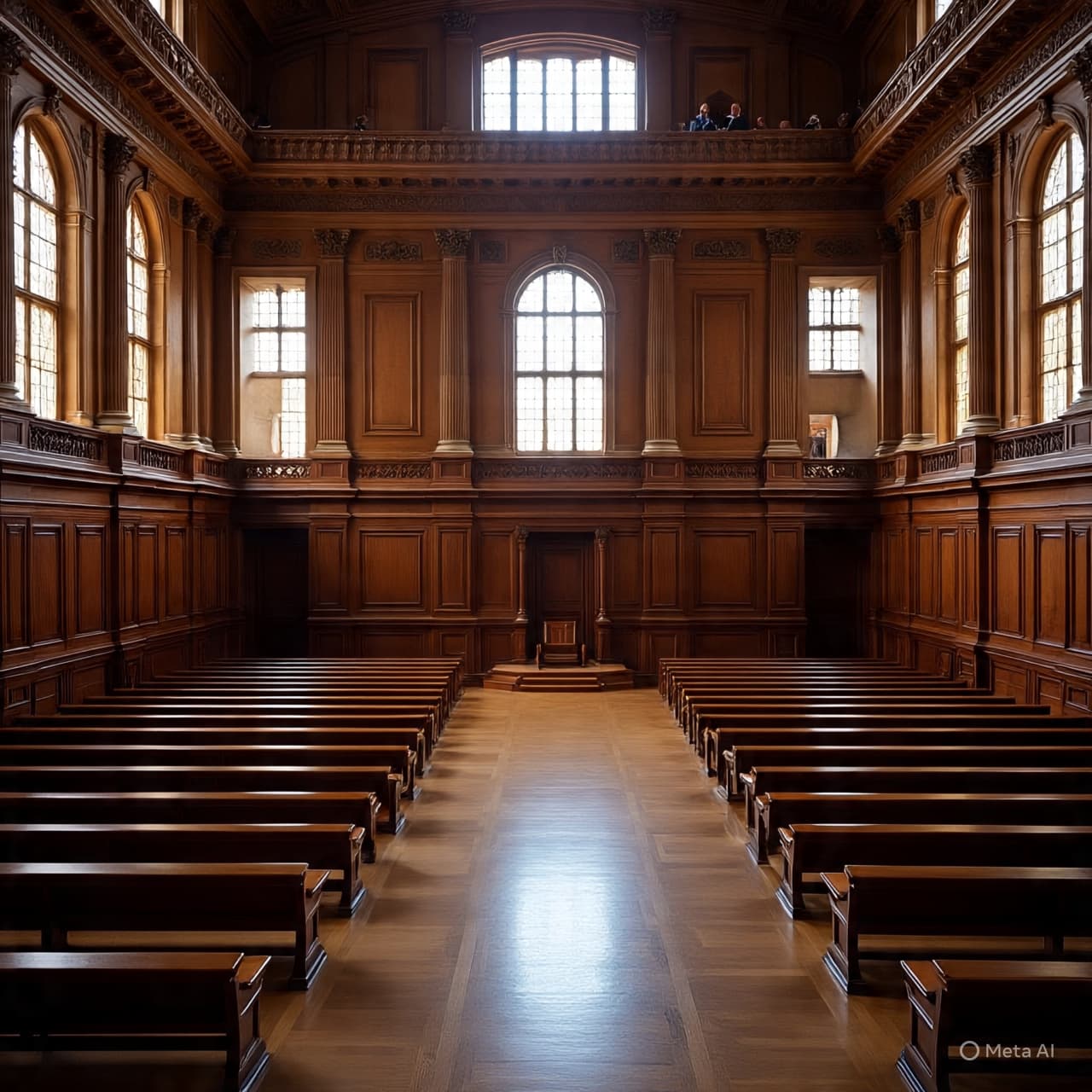
There is a moment each afternoon in Westminster when the light fades through stained glass and time seems to pause — when the hum of Parliament turns reflective, and the air holds the weight of centuries. On such a day, that stillness gave way to a measured but unmistakable shift. Members of Parliament, long cautious when it came to matters of the Crown, spoke with new candor about a figure who once embodied royal duty and now symbolizes its fragility. Their words, deliberate yet restrained, marked a quiet turn in tone toward Prince Andrew, once the Duke of York.
For years, Parliament had sidestepped direct comment on royal controversies, maintaining the invisible line between governance and monarchy. But this time, the mood was different. MPs spoke not of ceremony or tradition but of responsibility — and of the public trust that must accompany privilege. Andrew’s past role as a trade envoy, his conduct in private life, and his lingering associations with scandal have brought renewed calls for accountability. The House, in its formal yet human way, began to voice what the nation had whispered: that even those born to tradition cannot remain untouched by scrutiny.
Their language was pointed, but never reckless. Words like “rude,” “arrogant,” and “entitled” surfaced, not as insults but as the measured vocabulary of disquiet. It was, in essence, Parliament doing what it does best — giving voice to unease while wrapping it in restraint. The criticism reflected less anger than fatigue, the sense that the boundary between public duty and personal conduct had grown too thin to ignore.
Yet even as voices rose in critique, there was caution. No one called for revolution or the dismantling of institutions. The monarchy remains both symbol and scaffold in British public life — too old to discard, too adaptive to collapse. MPs spoke instead of transparency: the need to release records, to clarify how royal appointments have been made, and to ensure that positions once granted on heritage now answer to merit and accountability.
In this, the Commons echoed a broader sentiment across the country. The public mood, once deferential, has matured into something quieter but firmer — a demand that history’s privileges coexist with modern standards of integrity. It is not hostility toward the monarchy but an insistence that the institution live within the same light it casts upon the nation.
As the debate drew to a close, there was no grand declaration, no sweeping promise of reform. Only the calm after a rare moment of openness — a Parliament speaking with candor about those who have long stood beyond its reach. In that quiet, one could sense a slow but certain shift: the monarchy, still standing, now faces not rebellion but reflection, not rejection but a gentler recalibration toward accountability.
AI Image Disclaimer Visuals were created using AI tools and serve as conceptual representations.
Sources (Media Names Only) The Guardian BBC News The Times Reuters Associated Press
Published by Banx Network. This article is part of the Banx decentralized media programme, powered by the BXE token on the XRP Ledger.