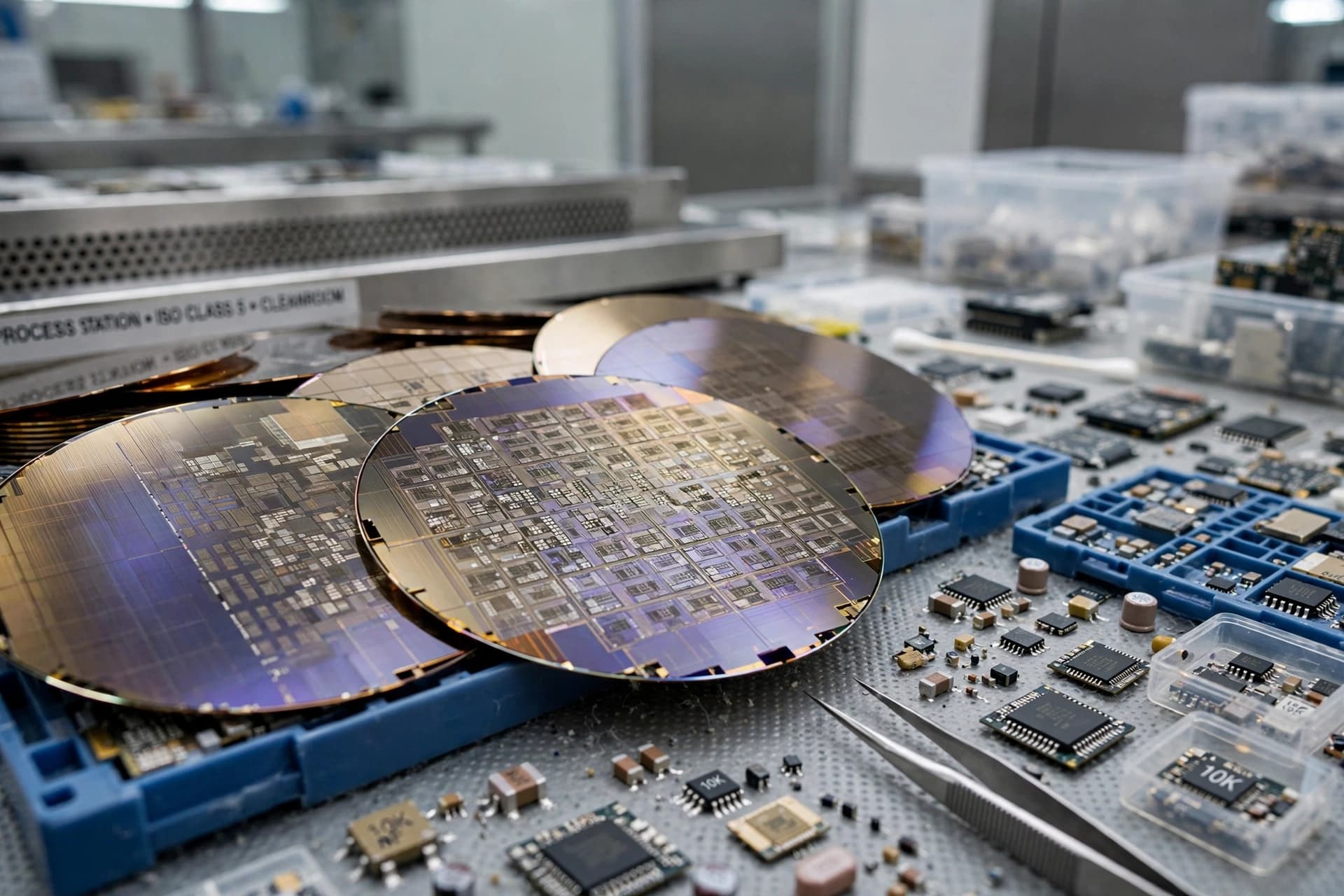
There is a certain stillness to old technology once it has been removed from use. An SSD taken from a retired laptop often ends up resting in a drawer, wrapped loosely in antistatic plastic, its contents wiped clean but its potential unresolved. It is not broken, not obsolete in the strict sense—only paused, waiting without ceremony for a future that may or may not arrive.
The appeal of a clever new DIY gadget lies in how gently it interrupts that waiting. Designed to repurpose old laptop solid-state drives, the device does not announce itself as revolutionary. Instead, it offers something quieter: a way for stored memory to return to motion. With minimal components and careful design, the gadget converts unused SSDs into functional external storage or modular systems, extending their usefulness without demanding industrial complexity.
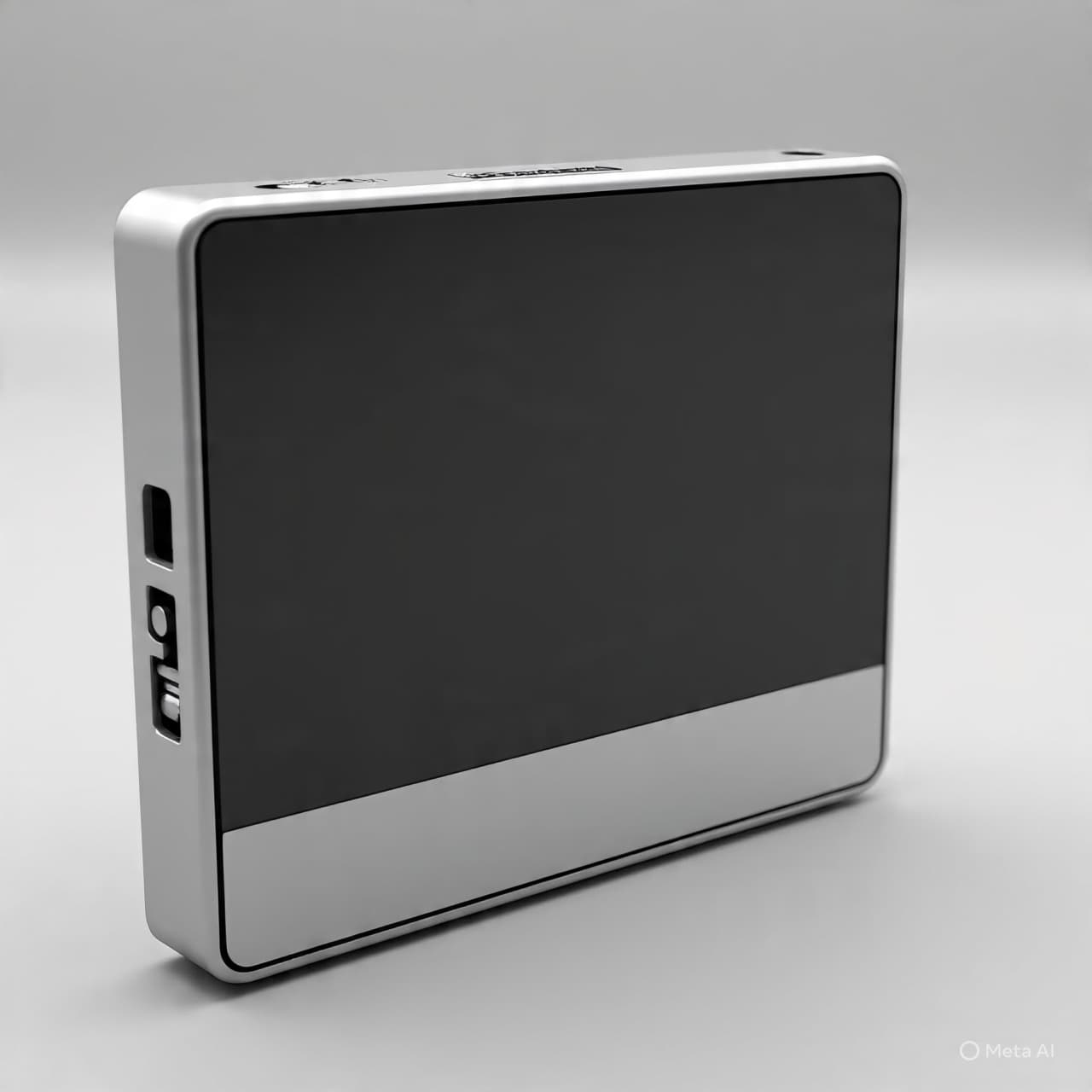
At its core, the idea is simple. Many laptops over the past decade shipped with perfectly capable SSDs that were removed during upgrades, repairs, or device replacements. These drives, often still fast and reliable, remain compatible with modern interfaces. The DIY solution provides a bridge—sometimes through a custom enclosure, sometimes through a compact controller board—that allows these SSDs to connect via USB or other contemporary standards.
What distinguishes this approach is not only thrift but intentionality. Rather than buying new storage, users assemble something personal, shaped by what they already own. The process itself becomes part of the value. Screws are tightened, housings aligned, firmware checked. The gadget grows slowly from parts into a tool, carrying with it the quiet satisfaction of reuse.
This kind of project reflects a broader shift in how technology enthusiasts think about hardware. As concerns about electronic waste grow, interest in modularity and repair has followed. DIY storage devices sit at that intersection, offering practical utility while pushing back gently against disposability. They do not solve systemic problems, but they create small pockets of resistance—spaces where longevity is preferred over replacement.
Performance, too, plays a role. Repurposed SSDs often outperform inexpensive flash drives and rival commercial external drives, especially when paired with modern controllers. For backups, media libraries, or portable work files, the difference is tangible. The old drive, once sealed inside a laptop chassis, adapts easily to its new role.
Still, the appeal is not universal. DIY projects require patience, a tolerance for troubleshooting, and an acceptance that the result may look more functional than polished. For many, that is precisely the point. The gadget does not hide its origins. It carries traces of prior use, of hands-on assembly, of decisions made rather than defaults accepted.
In straightforward terms, devices like these are becoming increasingly common among hobbyists and repair-minded users. They rely on widely available components, documented standards, and a growing culture of shared knowledge. Old laptop SSDs, once destined for long-term storage or disposal, are finding renewed relevance as external drives, mini-servers, or backup units.
The news, stripped of reflection, is simple: a DIY gadget allows people to reuse old laptop SSDs effectively, extending their lifespan and reducing waste. But in practice, it offers something more modest and enduring—a reminder that not all progress requires something new, and that sometimes utility returns quietly, from the bottom of a drawer.
AI Image Disclaimer Illustrations were created using AI tools and are not real photographs.
Sources (Media Names Only) Hackaday Ars Technica The Verge Wired Tom’s Hardware
Published by Banx Network. This article is part of the Banx decentralized media programme, powered by the BXE token on the XRP Ledger.