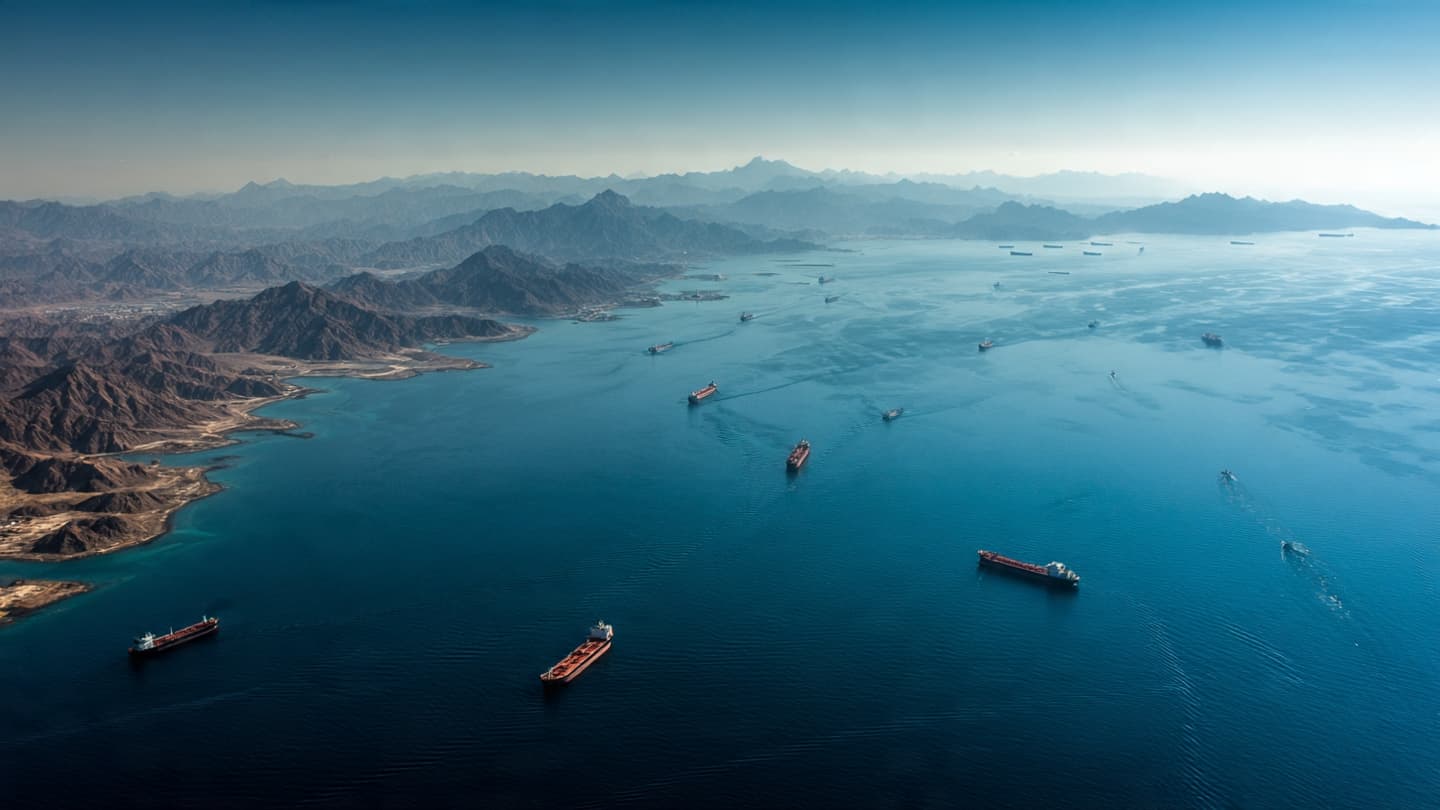
Morning often arrives over the Strait of Hormuz with a quiet certainty. Light settles across the narrow passage where mountains meet the sea, and the first vessels trace familiar paths through waters that have long carried more than cargo. Here, every wake tells a story of commerce, geography, and the delicate balance between nations whose fortunes are tied to a corridor only a few miles wide.
In recent days, that balance has become increasingly fragile. The United States has launched additional military strikes aimed at what officials describe as Iranian-linked threats to commercial shipping near the Strait of Hormuz. At the same time, President Donald Trump is reportedly considering whether to broaden American military involvement, adding another layer of uncertainty to a region already marked by years of tension.
The waterway remains one of the world's most significant maritime routes. A substantial share of globally traded crude oil and liquefied natural gas moves through this narrow channel each day. When security concerns emerge here, the effects rarely remain local. Insurance costs shift, shipping companies reconsider routes, and energy markets begin to measure possibilities that extend far beyond the Gulf.
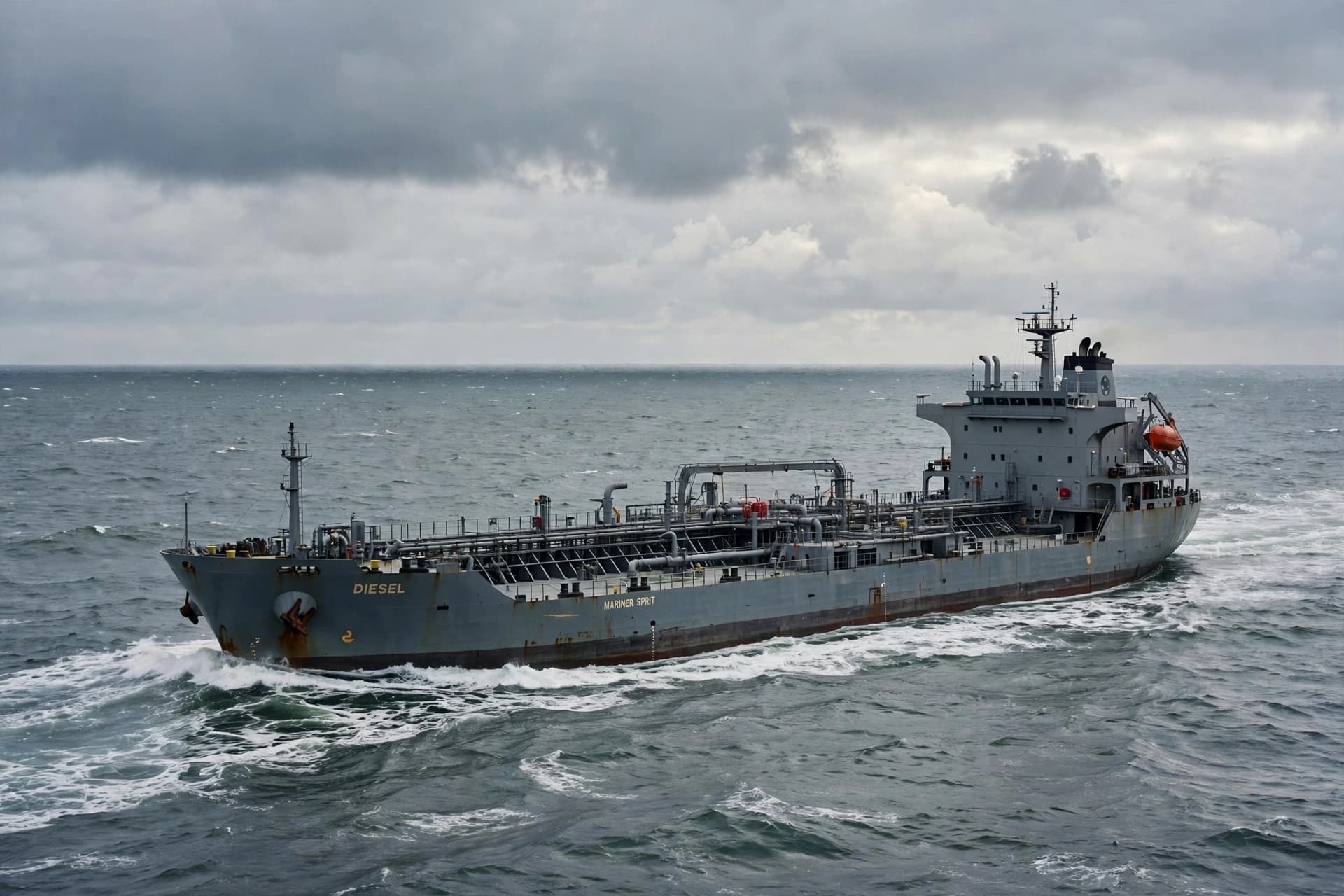
Military operations in such an environment unfold against a backdrop of constant movement. Commercial tankers continue their journeys while naval patrols monitor the horizon, each vessel becoming part of a larger picture where navigation and security exist side by side. The sea itself remains unchanged, yet the meaning carried across its surface evolves with every new development.
Officials have indicated that the latest strikes were intended to reduce immediate threats against maritime traffic and reinforce freedom of navigation. Meanwhile, discussions within Washington reportedly continue over whether broader military action would better deter future attacks or risk widening an already volatile conflict. Those questions remain unsettled, reflecting the complexity of decisions that reach beyond military calculations alone.
Across financial markets, observers have watched closely for signs of disruption. Even limited instability around the Strait of Hormuz has historically influenced oil prices and shipping expectations. Traders, energy companies, and governments alike understand that uncertainty can travel as quickly as any vessel crossing the Gulf, reshaping economic expectations well before physical supply is interrupted.
For communities surrounding the Gulf, the headlines are accompanied by ordinary rhythms that persist despite extraordinary circumstances. Ports continue operating, fishermen return to familiar waters, and families begin another day beneath skies that reveal little of the strategic calculations unfolding beyond the horizon. Life moves quietly alongside history, often sharing the same shoreline.
Diplomatic efforts continue in parallel with military developments, as regional partners and international organizations encourage restraint while seeking to preserve maritime security. Such conversations rarely command the same immediate attention as military operations, yet they remain essential threads in any effort to prevent further escalation across one of the world's most strategically important waterways.
As the latest developments unfold, the Strait of Hormuz once again reminds the world that geography can shape global affairs as powerfully as policy. Between calm seas and uncertain horizons, every decision carries consequences that may travel far beyond the Gulf. For now, the ships continue their passage, and the water reflects both the stillness of the present moment and the uncertainty of what may yet arrive.
AI Image Disclaimer Illustrations were created using AI tools and are intended as conceptual representations rather than authentic photographs.
Sources Reuters Associated Press BBC News U.S. Department of Defense International Energy Agency
Published by Banx Network. This article is part of the Banx decentralized media programme, powered by the BXE token on the XRP Ledger.