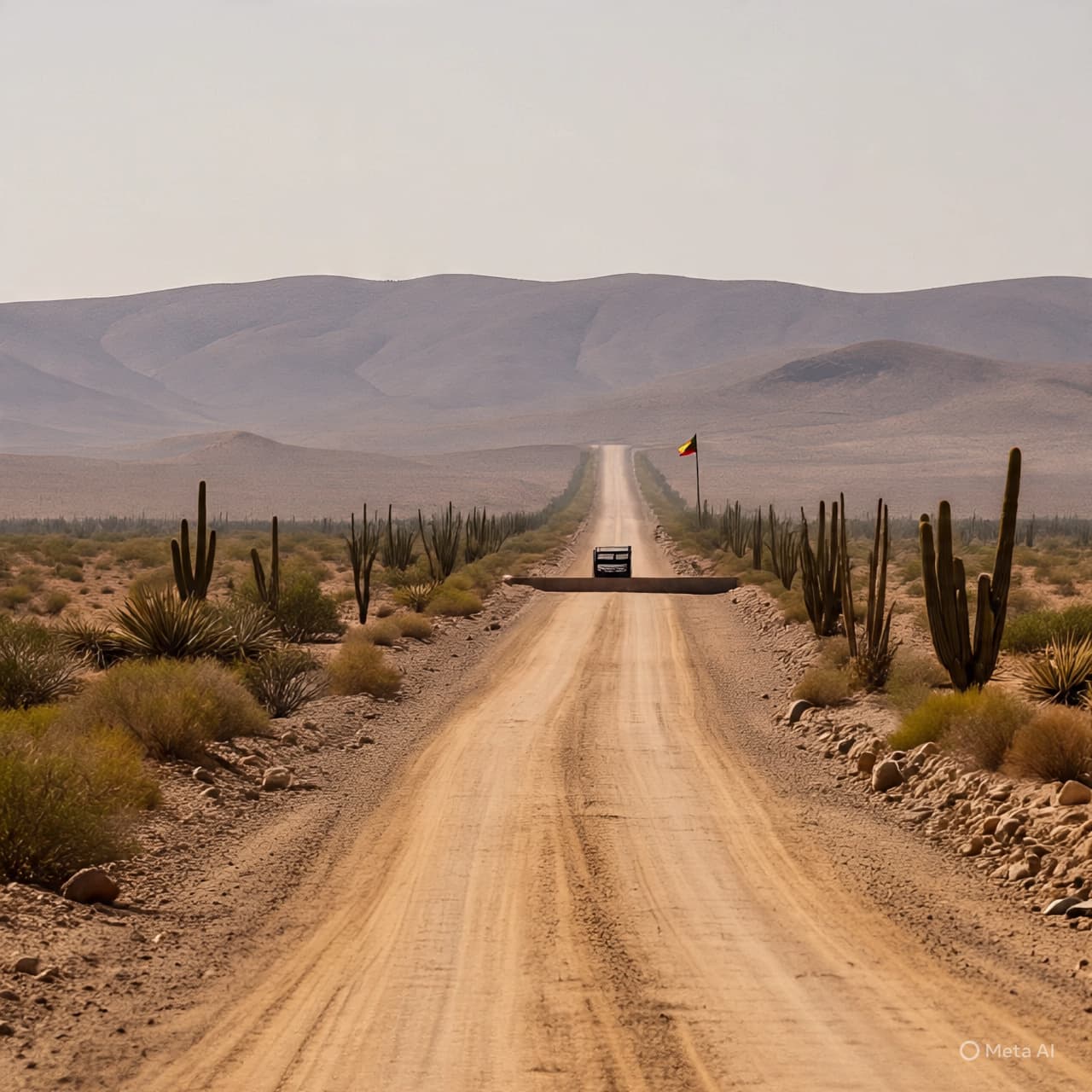
At the edge of the Hindu Kush, where ridges fall sharply into plains and the border cuts through dry valleys like a thread drawn by history, the air once again carried the sound of fire. For a few moments at dawn, stillness gave way to the echo of exchanged gunfire between Pakistani and Afghan forces — the latest tremor in a relationship that has long oscillated between cooperation and mistrust.
The confrontation came after a series of airstrikes conducted by Pakistan in eastern Afghanistan, targeting what it described as militant hideouts responsible for attacks within its own territory. The strikes, officials in Islamabad said, were acts of defense, a response to a string of assaults that have unsettled border regions and revived memories of conflict long thought contained. Kabul, however, condemned the incursions as violations of sovereignty, arguing that the strikes endangered civilians and deepened hostility between two nations already linked by fraught history.
Hours later, the fragile quiet along the Durand Line fractured again. Gunfire erupted near the Torkham crossing and in nearby valleys, each side accusing the other of provocation. Pakistani statements framed the exchange as defensive fire against Taliban border troops, while Afghan authorities asserted that Pakistani forces had opened hostilities first. Between these competing narratives lies a deeper truth familiar to this frontier — that peace here is a matter of timing, never permanence.
For decades, the border has been a living contradiction: porous yet heavily patrolled, defined yet disputed. Traders, families, and shepherds cross paths with soldiers and patrols, their daily lives woven into the delicate rhythm of diplomacy. Yet each fresh clash unsettles that rhythm, reminding all who live near the fence that politics in distant capitals can shift their fate in an instant.
Observers describe the renewed tension as part of a wider struggle over security and influence in the region. Islamabad has grown increasingly vocal about what it calls militant sanctuaries across the frontier, while Afghanistan’s interim government maintains that Pakistan’s own instability fuels the cycle of violence. Between these arguments lies the exhaustion of communities that have endured decades of crossfire — literal and political.
By dusk, reports of firing had subsided, and silence returned to the mountain passes. It is a silence that holds the residue of unease, the pause between one statement and the next, one clash and another. Along this long and rugged boundary, both sides speak of defense, both claim restraint, and both remain haunted by the idea that the border, though drawn in ink, can never quite contain the echoes of its own history.
AI Image Disclaimer Illustrations were created using AI tools and serve as conceptual representations.
Sources (Media Names Only) Reuters Associated Press BBC News Al Jazeera Dawn News
Published by Banx Network. This article is part of the Banx decentralized media programme, powered by the BXE token on the XRP Ledger.