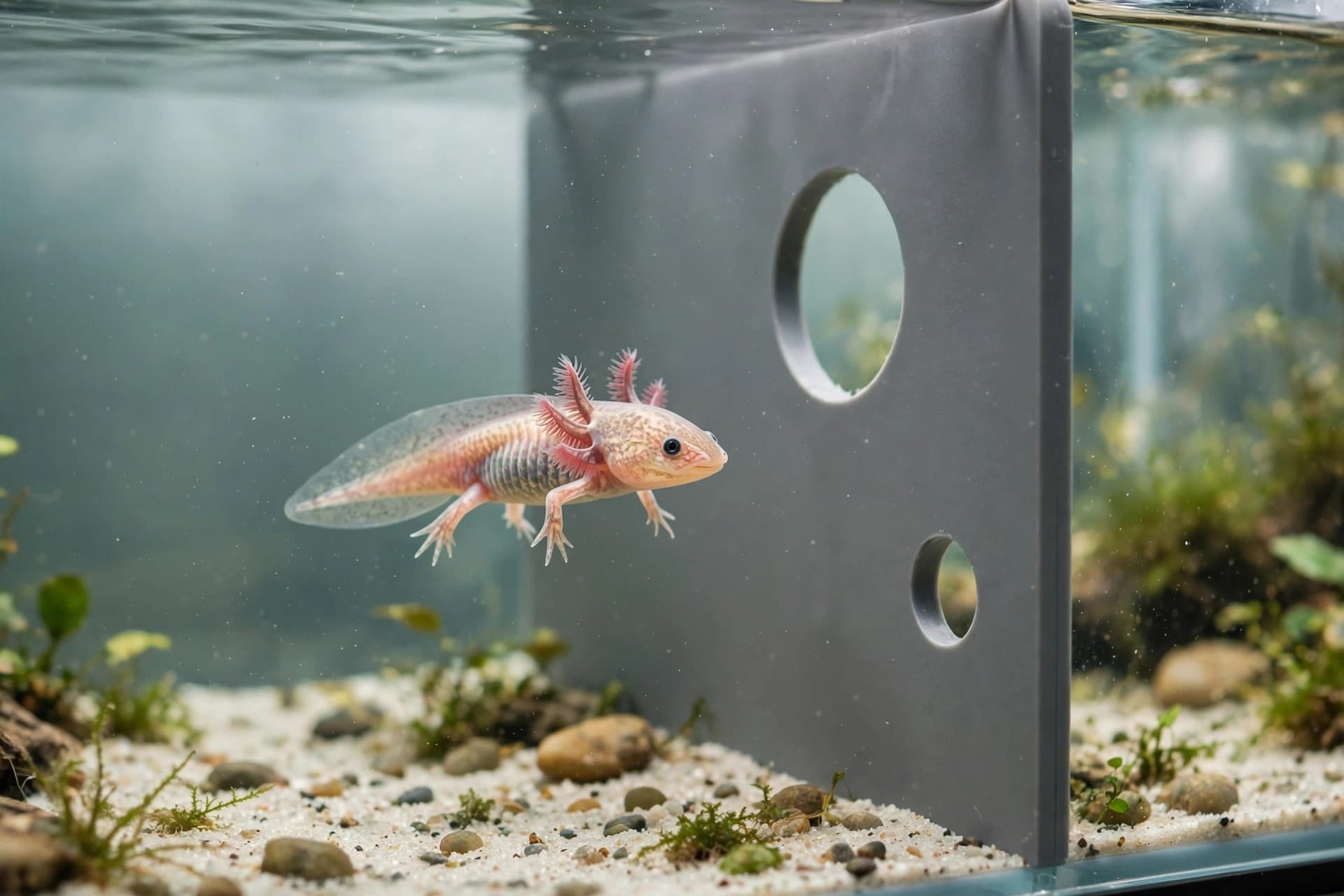
In the distant haze beyond memory, when Earth’s oceans were young and the skies above them carried no trace of our kind, a humble creature drifted beneath the waves. It had no promise of grandeur, no limbs that carved the water, no fin to propel its slender body. It was small and simple, an organism winnowed by evolution to do little more than sip microscopic food from the ancient sea.
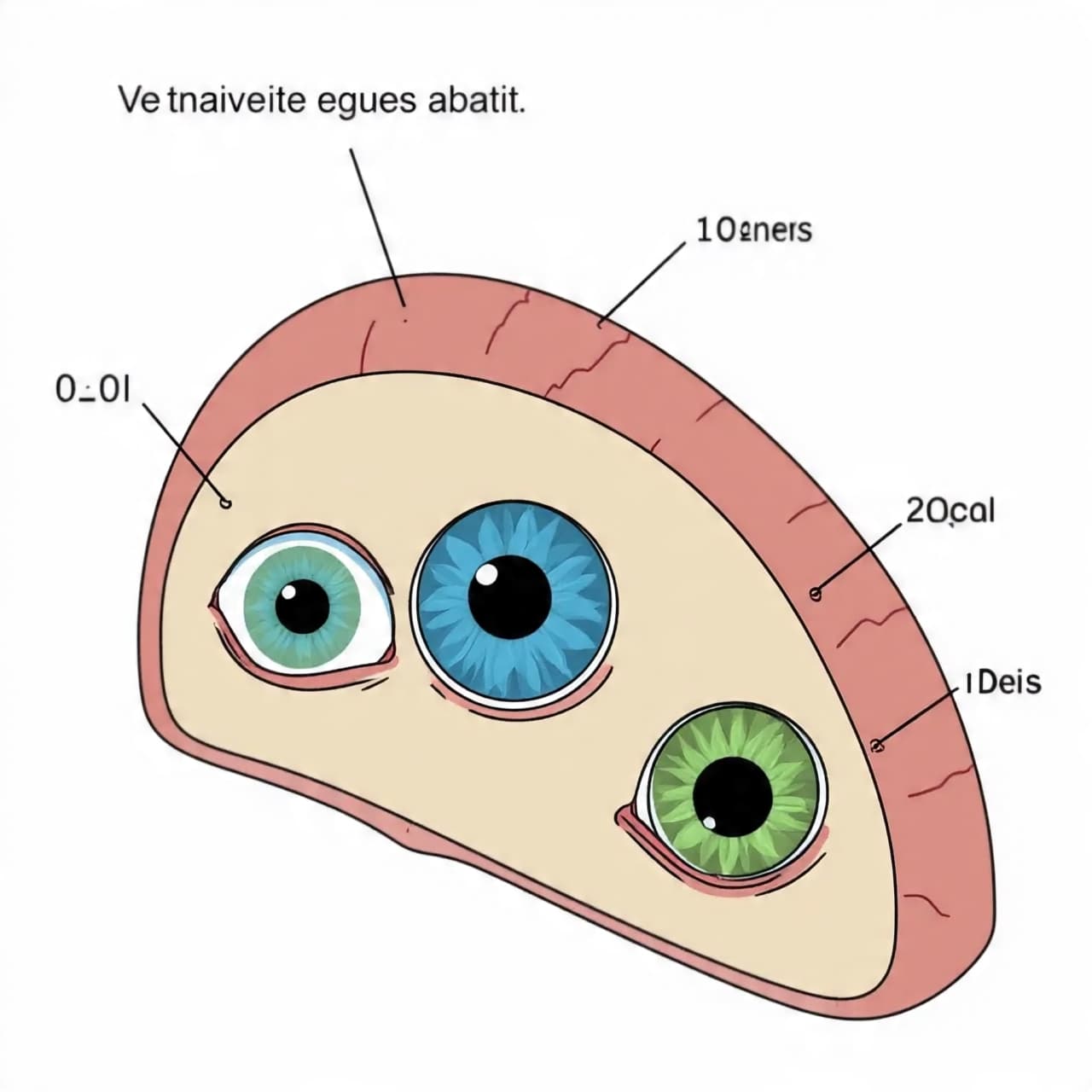
Yet on its head was something unexpected — not a pair of eyes set like lanterns on the sides of a face, as many animals have now, but a single light‑sensitive organ resting in the very middle of its skull. In that distant world nearly six hundred million years ago, light and life met on an unremarkable creature whose very simplicity would shape the future of sight.
Scientists from Lund University and the University of Sussex have traced the origins of the vertebrate eye — including our own — back to this “cyclops‑like” ancestor. Long before the oceans teemed with fish, long before limbs or complex brains existed, this worm‑like organism carried a lone median eye: a patch of light‑sensitive cells perched atop its head that could detect the coming and going of day.
In many ways, its lifestyle shaped its vision. Sedentary and filter‑feeding, it had little use for acute sight. Paired eyes, excellent for detecting prey or threats, faded as they became unnecessary. What remained was a simple photoreceptive organ — a gauge of brightness and orientation rather than detailed image‑forming vision. This median eye was not an evolutionary dead end, but a seed.
Over millions of years, descendants of this distant ancestor returned to more active lives in the waters of early Earth. As they swam and hunted, the need for sharper, broader vision grew. From fragments of that original median eye, new structures emerged. Paired, image‑forming eyes developed, their retinas and neural connections more complex and capable than the simple light sensor before them. The pathway that led from a single, primitive eye to the binocular organs we possess today represents a remarkable example of how evolution reshapes form and function across eons.
What is particularly striking about this evolutionary thread is how it helps explain a long‑standing mystery: why the eyes of vertebrates, including humans, differ so fundamentally from the eyes of insects or cephalopods like squid. In vertebrates, the retina — the light‑sensing tissue that captures images — originates from brain tissue. In insects and squid, the retina develops from skin cells. This difference puzzled scientists for decades, until the cyclops ancestor’s story provided a missing link. That single, central eye likely connected more directly with early brain structures, setting vertebrates on a unique evolutionary course.
Even today, echoes of that primeval median eye remain. Deep within the vertebrate brain lies the pineal gland, a small organ that helps regulate circadian rhythms in response to light. In some modern animals, this structure still directly senses light, hinting at its ancient origin. In humans, it has adapted to produce melatonin, a hormone that helps govern sleep cycles — a subtle reminder that the light‑sensing legacy of the cyclops lives on within us.
The discovery was detailed in a study published in Current Biology by researchers who reconstructed the evolutionary history of light‑sensitive cells across vertebrate lineages. Their analysis, grounded in comparative physiology and cellular positioning in animals alive today, allowed scientists to infer the presence and nature of that long‑lost ancestor.
In the deep corridors of planetary time, life’s earliest experiments often leave faint traces. Yet in the eyes that see a sunrise and the brain that interprets light and shadow, the influence of that ancient, one‑eyed organism endures — a quiet testament to the unexpected paths evolution can take.
Illustrations were created using AI tools and serve as conceptual representations.
Sources (Media Names Only)
EurekAlert! Earth.com Daily Galaxy Times of India Labrujula Verde
Published by Banx Network. This article is part of the Banx decentralized media programme, powered by the BXE token on the XRP Ledger.