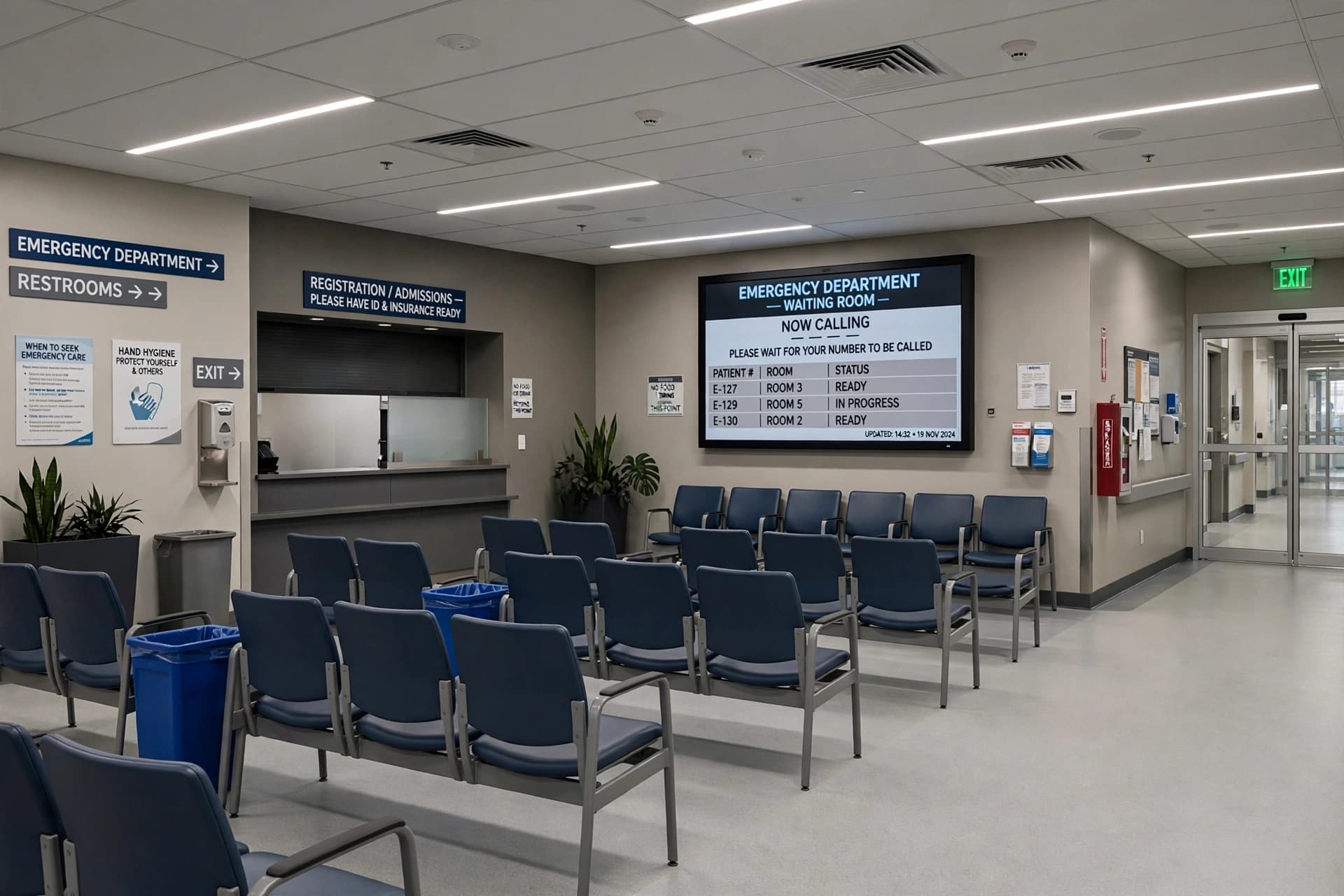
In the winding corridors of global health support, where funds — and the services they sustain — ebb and flow, a new report lays bare a stark reality: more than 1,394 family planning clinics have been forced to close following cuts to U.S. funding, leaving millions of people without access to essential reproductive health services. According to figures shared with The Guardian, the closures are tied directly to the withdrawal of American aid and have most acutely affected communities in Africa and the Middle East, where these clinics were often the primary source of contraception, sexual health care, and post-assault treatment.
The closures, confirmed through a survey by the International Planned Parenthood Federation (IPPF), highlight how shifts in U.S. foreign assistance — particularly the rollback of longstanding family planning support — have rippled outwards, dismantling networks of care that once stood as lifelines for vulnerable populations. Of the clinics that shuttered their doors, roughly 1,175 were in Africa, and the broader impact is estimated to have left about 9 million people without ready access to essential services, from contraceptives to HIV testing and treatment.
Campaigners warn that the downturn in funding has not only reduced clinic numbers but also deepened inequalities at a moment when reproductive health needs remain pressing. Stockouts of contraceptive implants, coils and condoms have been reported by providers in several countries, and supplies that were already funded — including nearly $10 million worth of products in European warehouses — have gone unused as logistical systems falter.
The consequences of these closures extend beyond the shuttered clinics themselves. Public health advocates express concern that shortages in reproductive care can lead to a rise in unsafe abortions, maternal health risks and unwanted pregnancies, especially in regions with limited alternative services. Local health professionals have observed that, in some areas, women and girls are being denied access not only to contraception but also to support after sexual assault or for sexually transmitted infections — services that are pivotal to individual and community health.
This wave of closures comes amid broader trends of reduced donor support for family planning globally. The United States has historically been the largest government donor for family planning, and reductions in its contributions this year went hand in hand with budget tightening by other major donors, resulting in one of the lowest levels of funding in more than a decade.
For advocates and those on the ground, the figures are a sobering reminder of how quickly progress in reproductive health can falter when political priorities shift. Clinics that once offered a spectrum of services — from cancer screenings and contraception to education and counseling — have vanished from towns and rural outposts alike, leaving vast gaps in care and prompting urgent questions about how communities can rebuild what has been lost.
AI Image Disclaimer Visuals in this article are created with AI tools and are not real photographs; they are intended for conceptual representation only.
Sources (News)
• The Guardian — “Figures reveal stark reality of US funding cuts as 1,394 family planning clinics shut”
Published by Banx Network. This article is part of the Banx decentralized media programme, powered by the BXE token on the XRP Ledger.