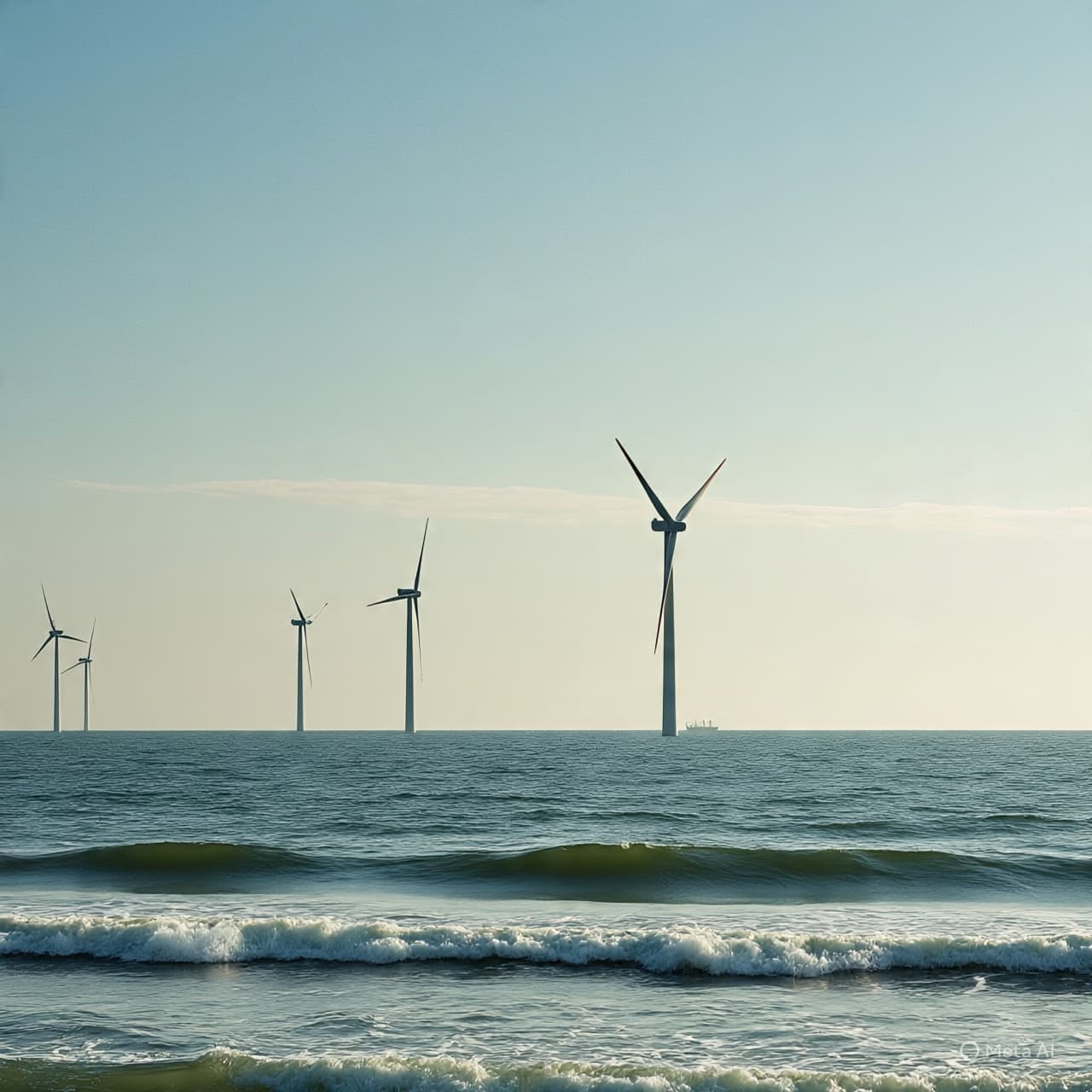
Out beyond the shoreline, where the water darkens and the horizon softens into haze, movement is rarely abrupt. Wind arrives in long breaths, tides pull with patience, and progress tends to unfold at a measured pace. For offshore wind in the United States, that pace has often been slowed by legal crosscurrents as much as by weather. Recently, however, the winds have shifted.
In a series of court rulings and regulatory setbacks, the Trump administration has found its efforts to stall or unravel offshore wind projects repeatedly constrained. These decisions did not arrive with fanfare. They surfaced quietly through filings and judgments, restoring permits, narrowing executive authority, or reaffirming environmental reviews that had already been completed. Yet taken together, they have reopened space for projects that once seemed indefinitely paused.
Along the Atlantic coast, offshore wind has long been framed as both promise and provocation. Turbines proposed miles from shore carry expectations of cleaner energy, local jobs, and long-term grid resilience. They also carry disputes — over permitting authority, environmental impact, and federal reach — that have made them frequent visitors to courtrooms. When legal challenges mounted, timelines stretched, financing wavered, and grid planners hesitated.
The recent legal outcomes have eased some of that uncertainty. By reinforcing existing approvals and limiting attempts to retroactively revoke them, courts have signaled that once projects pass established review processes, they cannot be easily undone by political shifts alone. For developers, this restores a measure of predictability. For utilities and grid operators, it allows planning to resume with greater confidence.
The implications extend beyond individual wind farms. Offshore wind is increasingly viewed as a stabilizing force for a grid under strain from rising demand, aging infrastructure, and climate-driven extremes. Large-scale coastal generation offers proximity to dense population centers and complements other renewable sources whose output fluctuates differently with time and weather. Delays ripple outward, affecting transmission planning, investment cycles, and regional energy balance.
None of this suggests smooth sailing ahead. Offshore wind still faces cost pressures, supply-chain constraints, and community concerns that require careful negotiation. Legal clarity does not dissolve economic or environmental questions. But it does remove a layer of unpredictability that had made long-term decisions harder to justify.
In this sense, the recent court losses mark not a victory over opposition, but a reassertion of process. They remind the energy sector that policy changes must move through established channels, and that infrastructure built for decades ahead cannot hinge entirely on momentary political will.
In plain terms, recent legal setbacks for the Trump administration have allowed several offshore wind projects to move forward, providing greater certainty for developers and offering potential long-term benefits for U.S. grid reliability and clean energy supply.
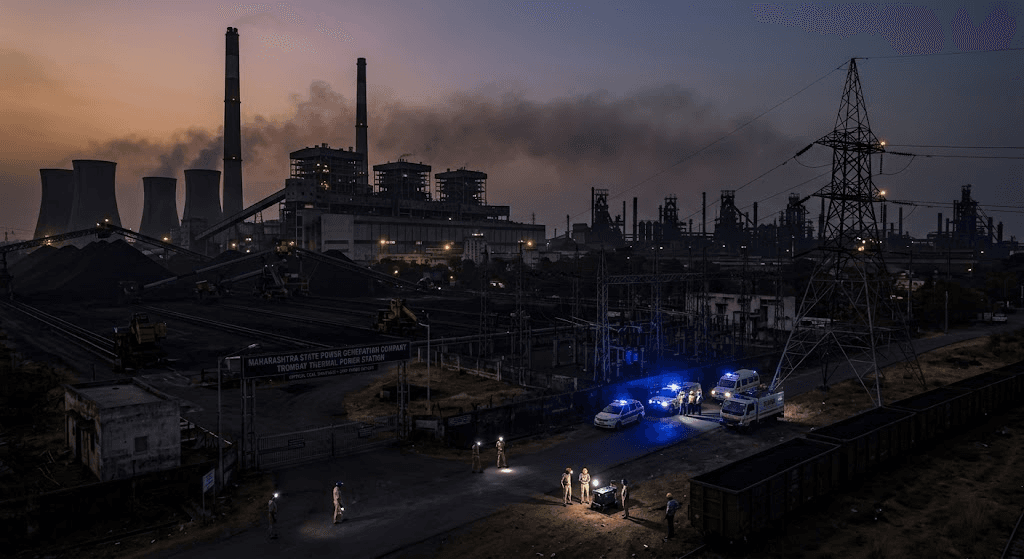
AI Image Disclaimer Visuals are AI-generated and serve as conceptual representations.
Sources (Media Names Only) Reuters Associated Press Bloomberg
Published by Banx Network. This article is part of the Banx decentralized media programme, powered by the BXE token on the XRP Ledger.