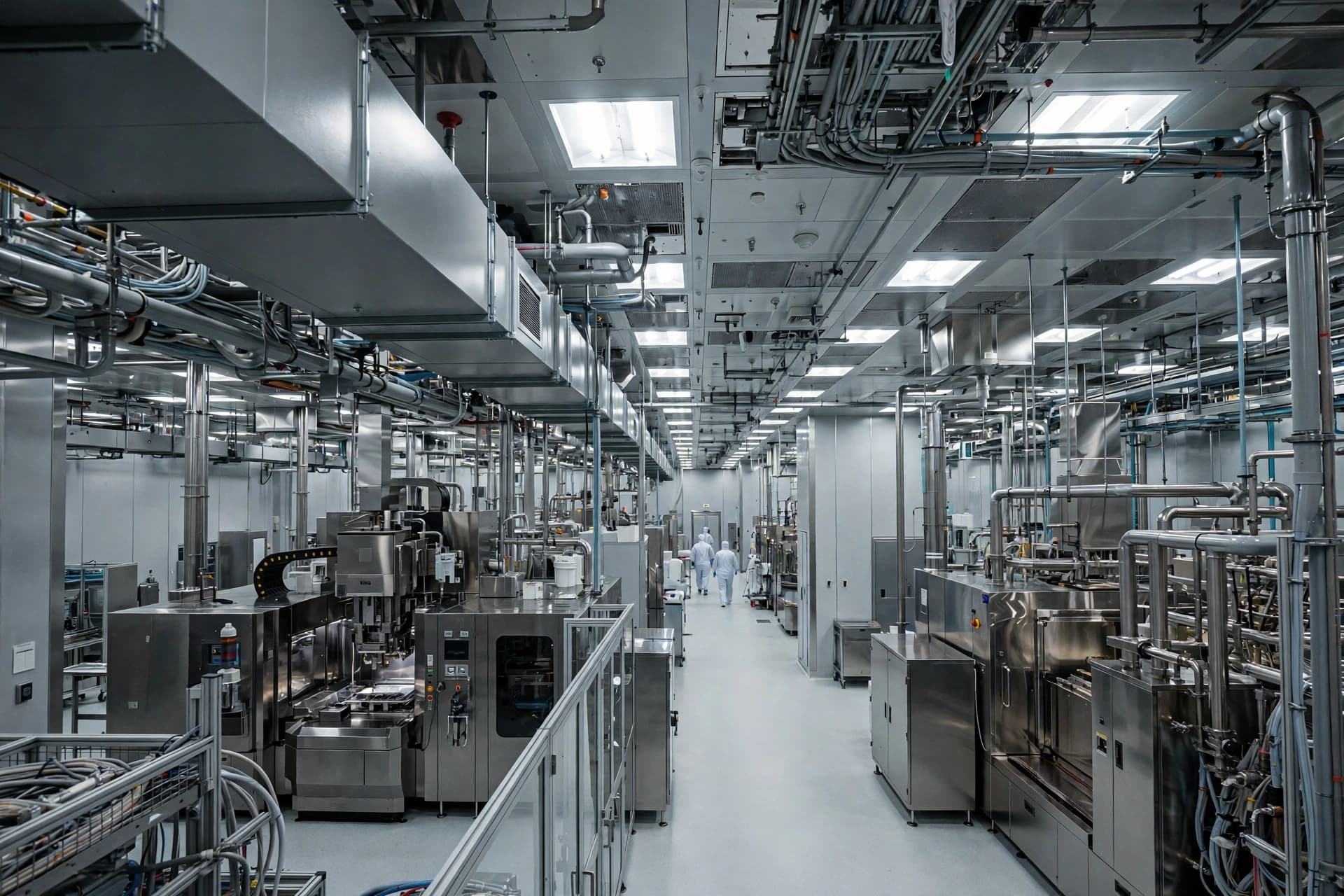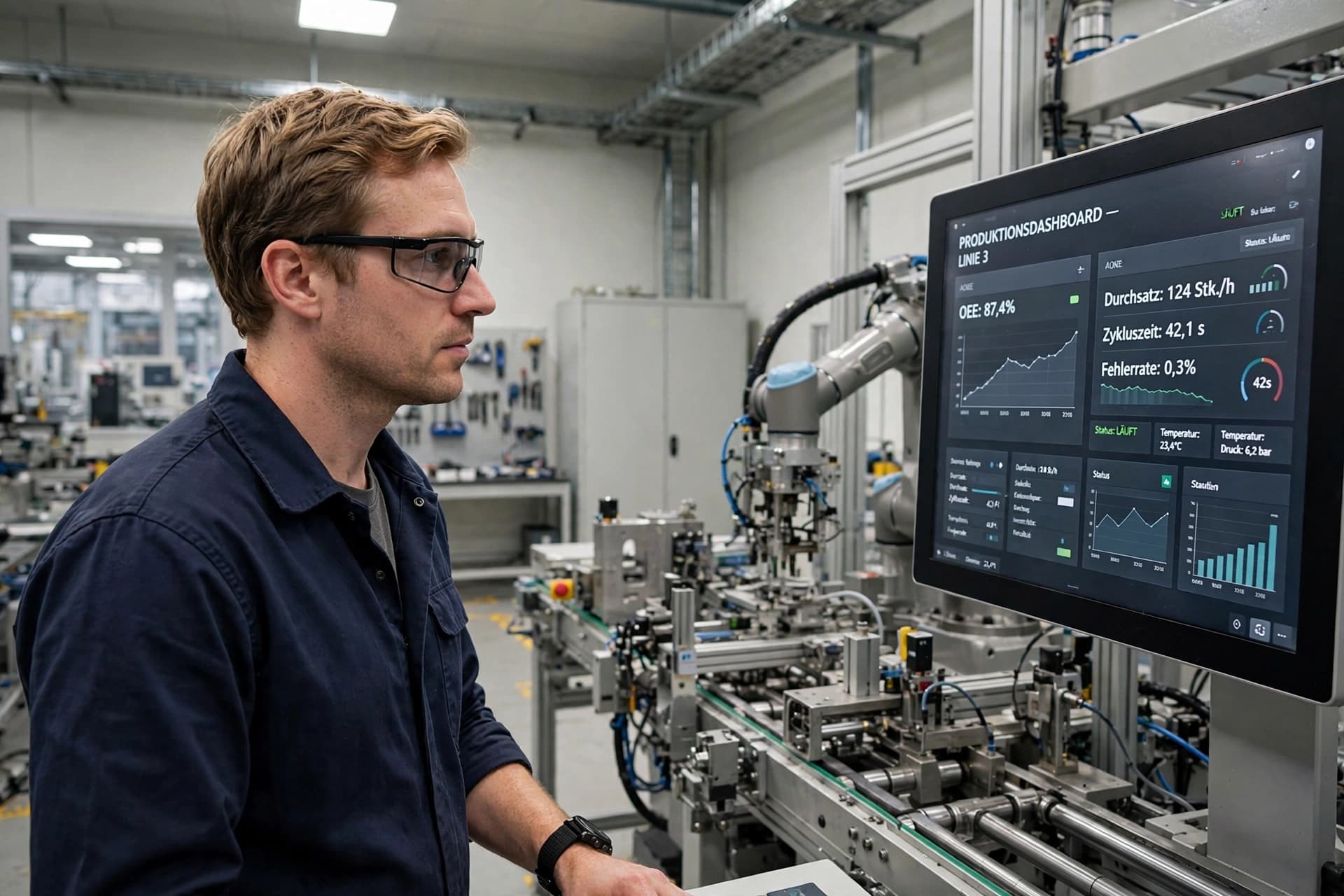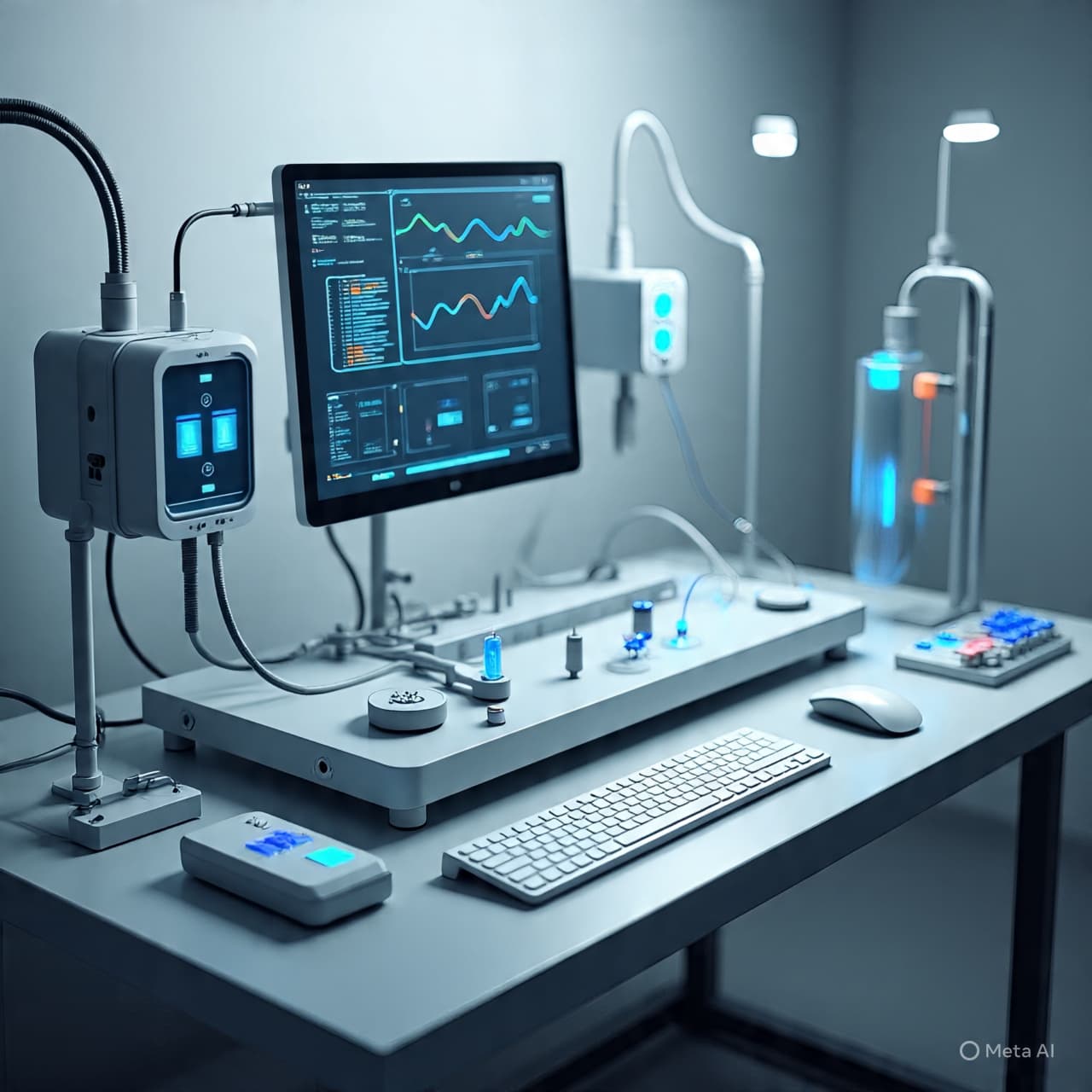
In a room where glass vials once held most of the promise, there is now another kind of motion — the hum of machinery and the gentle whirr of robotics that slip quietly through tasks once defined by hand and eye. In these spaces, the traditional rhythms of biology — hours spent bent over benches, eyes fixed on sloshing liquids and growing cultures — begin to mingle with something new: data, algorithms, and autonomous systems designed not merely to assist, but to expand what science can conceive and attempt.
For years, biologists have been the stewards of their own instruments: pipettes, incubators, test tubes — each object a familiar note in the symphony of experiment and discovery. Yet beneath this familiar cadence has always been a tension between what is possible and what is painstakingly slow. The bench is generous in its flexibility, allowing a scientist to change course with a moment’s inspiration, reconsider techniques, and adjust protocols with deft hands. It is rarely rigid, and in its fluidity lies much of the craft and intuition of science. But that same flexibility, treasured though it is, can also be the anchor that keeps progress tethered to its own pace.
Reshma Shetty, co‑founder and leader at Ginkgo Bioworks, speaks to this transformation not as abandon of the bench, but as an invitation to reframe it. In her view, the promise of autonomous infrastructure — robotic systems and software capable of designing and analyzing experiments — is not to replace the scientist, but to augment curiosity and efficiency. The lab bench, while still central to many tasks, now shares its role with platforms that can scale the search through biological possibilities far beyond what a single pair of hands could achieve in a lifetime.
What once might have taken weeks of repetitive handling can now be run on machines that learn, iterate, and even suggest paths forward based on data and pattern recognition. These systems — autonomous labs — are not fantasies of science fiction, but practical expansions of the biological toolkit. They emerge from a simple premise: the amount of time humans spend at the bench is itself a limiting factor. If robots can take on the repetitive and standardized elements of experimentation, human minds are freed to ask wider questions and imagine bolder designs.
In conversations about this shift, Shetty often returns to the image of biology itself as both puzzle and partner. The fundamental complexity of living systems — a complexity woven from billions of years of evolution — resists simple design. Yet it beckons with potential: engineered microbes that produce novel materials, biological systems that help restore ecological balance, and cell‑based manufacturing that reshapes how we make medicines and sustain life. The leap from bench to automated platforms is not denial of biology’s intricacy but an acknowledgment that to explore it deeply, we need new scales of experimentation. Designers and biologists, machines and models, all contribute threads to this broader tapestry of innovation.
There is a poetry to this evolution. Where once the scientist’s movements were slow and deliberate, attending each droplet and incubation with care, there now enters a companion rhythm — rapid, iterative, and quietly machine‑assisted, yet still guided by human intention. Here lies a harmonious convergence between human inquiry and engineered assistance, and it does not diminish the former so much as amplify its reach. The bench does not disappear; it simply shares its space with new forms of exploration, room for both hands and code to shape biological futures.
In news terms, Reshma Shetty — co‑founder and executive at Ginkgo Bioworks — has articulated how advances in autonomous laboratory infrastructure and AI‑assisted experimental systems are shifting parts of biological research away from traditional bench techniques toward automated, software‑driven workflows. These developments aim to expand experimental throughput and allow scientists to direct inquiry rather than routine manual tasks, integrating robotics, data analytics, and high‑throughput screening into modern synthetic biology and discovery processes.
AI Image Disclaimer
Visuals are AI-generated and serve as conceptual representations.
Sources (Media Names Only)
RD World Online SynBioBeta Forbes Harvard Business Review (podcast coverage)
Published by Banx Network. This article is part of the Banx decentralized media programme, powered by the BXE token on the XRP Ledger.