There are moments in science that feel like listening to an old, distant echo — subtle, soft, and resonant with the promise of mystery. When we observe the night sky, we see points of light, shimmering like memories etched across space and time. Each glimmer carries not just brightness, but a story that traveled billions of years to meet our gaze. Among these cosmic tales is the recent discovery of an ancient galaxy cluster — a congregated community of galaxies that began its life in the universe’s distant past, hinting at how structures grander than stars were woven together in the universe’s infancy. This silent gathering of galaxies feels like a hidden garden in the dark, whispering secrets of cosmic evolution and inviting thoughtful reflection on our place amidst the stars.
In the course of exploring the universe’s earliest epochs, astronomers using powerful tools like NASA’s James Webb Space Telescope (JWST) and the Chandra X‑ray Observatory have observed something both humble and profound: a vast cluster of galaxies beginning to form when the universe was far younger than most models predicted. This cluster, known as JADES‑ID1, is not merely a sprinkling of distant lights — it is a structured system of dozens of galaxies bound gently by gravity throughout the cosmic sea. Seen at a time when the universe was only about one billion years old, it challenges our poetic assumptions about how and when the cosmos built its grandest gatherings.
Through imagery gathered across wavelengths — infrared light to see through dust and X‑rays to perceive the glowing gas that bathes these galaxies — scientists have pieced together a picture of a protocluster brimming with possibilities. Like finding a seedling forest in a landscape we thought barren, this nascent cluster shows features we once believed took far longer to emerge. Its very existence raises questions about the pace of cosmic growth and complexity, urging us to revise the timelines scribbled into our textbooks.
Allowing one’s imagination to wander, one might picture this ancient cluster as a garden in the first dawn of time — where gravity is the gentle gardener, weaving its web and pulling galaxies toward shared destinies. There, clusters of stars flicker into existence, and intergalactic gas glows with heat, like morning mist warmed by unseen suns. Each galaxy in this gathering contributes its own narrative thread to a tapestry that spans billions of years.
What makes JADES‑ID1 so compelling to scientists is not only its existence, but its maturity. Structures that resemble those we see much later in the universe’s timeline seem to be forming much earlier, suggesting that the cosmos was efficient in building complexity. The fingerprints of heat — the X‑ray glow from the cluster’s hot gas — speak to the energetic processes at work, igniting new questions about the forces that shaped these ancient congregations.
These insights are not simply pleasant curiosities. They help frame our understanding of how everything from stars to galaxies to the vast cosmic web came to be. From our perch on this small blue planet, the discovery feels like a gentle reminder: even the grandest structures took shape through processes both delicate and dynamic, often before we thought possible.
In the end, this ancient cosmic gathering teaches us about patience, persistence, and the universe’s quiet capacity for wonder — attributes that resonate as deeply with our human experience as they do with the heavens above.
In gentle news: Astronomers have identified an ancient galaxy cluster named JADES‑ID1, forming about 1 billion years after the Big Bang, earlier than expected based on previous models. Observations combining data from the James Webb Space Telescope and the Chandra X‑ray Observatory reveal many galaxies bound by gravity and a hot surrounding gas cloud that emits X‑rays. This discovery invites refinement of theories regarding the formation of large cosmic structures.
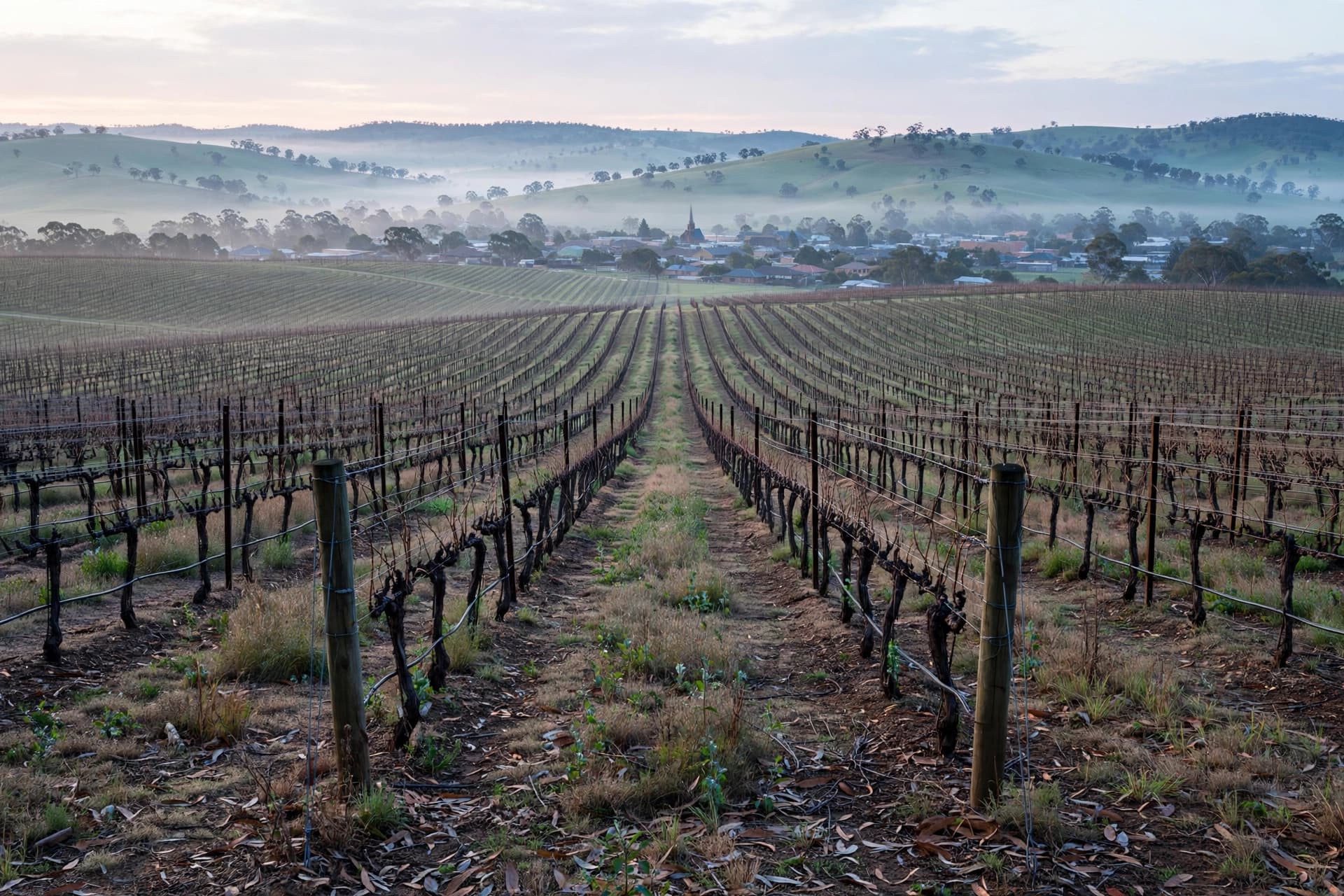
AI Image Disclaimer: “Visuals are created with AI tools and are not real photographs.”
Source Check
1. Reuters 2. RRI News 3. LiveScience 4. Universe Today 5. Space.com
Published by Banx Network. This article is part of the Banx decentralized media programme, powered by the BXE token on the XRP Ledger.