In the quiet dawn of a bamboo grove near the border, a father sits beside his son’s empty chair. Days ago, this place — like so many others — echoed with the laughter of children and the steady rhythm of everyday life. Now, the distant boom of artillery and the flicker of smoke remind villagers that the land they have known for generations has become a landscape of loss. Cambodia’s border war with Thailand is no longer just a headline; it is a tally of shattered homes, disrupted livelihoods, and the human price of unresolved disputes.
This latest round of hostilities — a continuation of clashes that have flared throughout 2025 — has taken a heavy toll on Cambodian communities. Renewed fighting along the frontier has involved artillery duels, airstrikes, and rocket fire, with both sides reporting casualties and civilian harm. At least dozens of lives have been lost and hundreds wounded as clashes persist, even after attempts at international mediation led by regional powers.
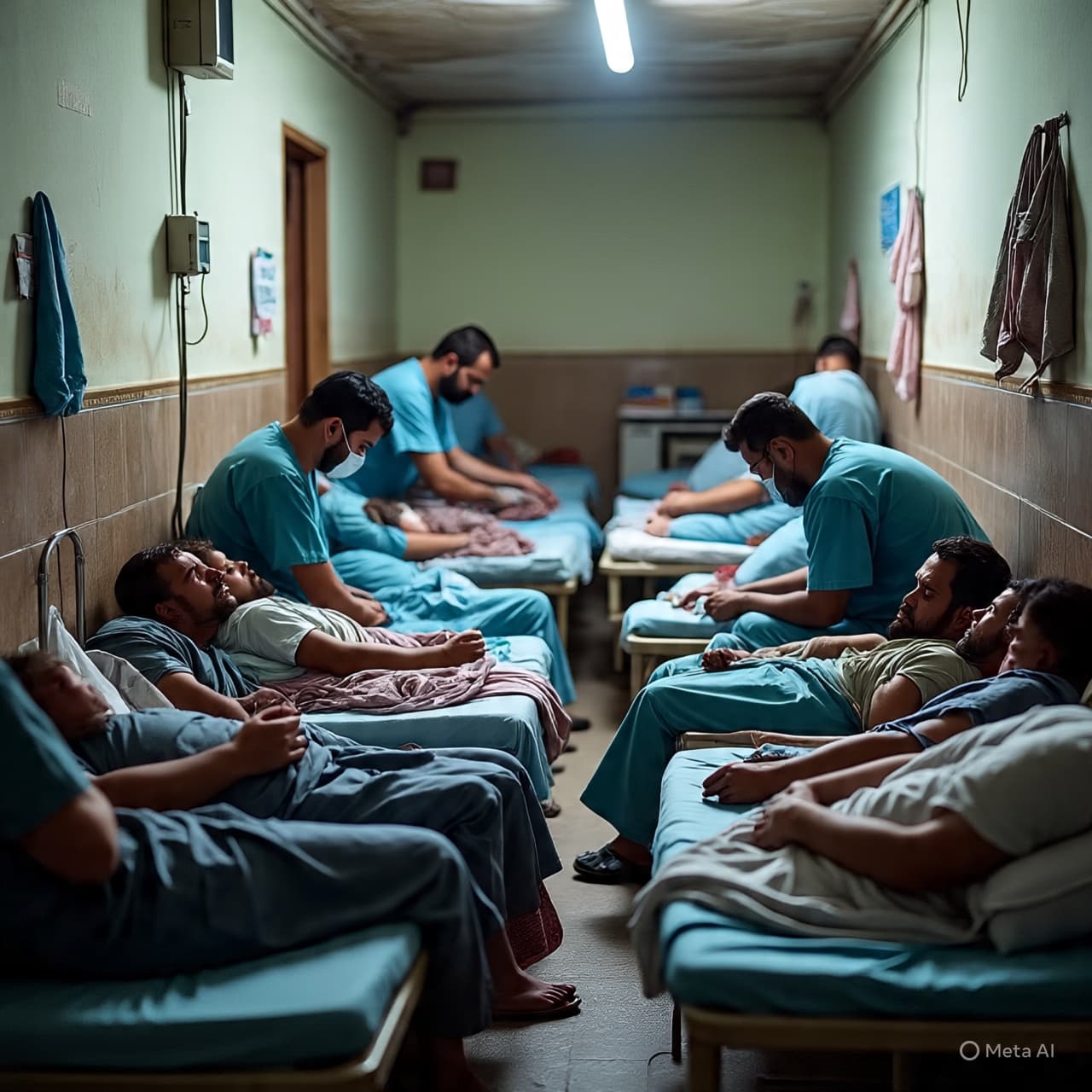
For families living near the border, the costs are immediate and visceral. Hospitals in provinces like Mongkol Borei are filled with wounded soldiers and civilians, some bearing grievous injuries sustained in explosions and shelling. Medical workers — overwhelmed by the influx — speak of long nights and heartbreaking moments as they try to save limbs and lives alike. The shockwaves of each blast extend beyond flesh and blood, seeping into the fabric of small communities already stretched thin by years of economic hardship.
The humanitarian toll is matched by an equally stark economic impact. Cross-border trade — once a lifeline for farmers, merchants, and migrant workers — has been significantly disrupted. Border checkpoints remain shuttered, severing the flow of goods that once sustained markets on both sides of the frontier. Prices for basic commodities such as food are rising, especially in regions dependent on commerce with Thai partners.
Cambodia’s tourism sector — anchored by world-renowned sites like Angkor Wat — is also feeling the strain. Before the conflict, Thailand ranked among Cambodia’s largest sources of visitors. With border closures, travel advisories, and fears of insecurity, tourism revenues have dwindled, forcing hotels and tour operators to reassess operations and livelihoods.
The broader economy bears scars too. Industries reliant on cross-border supply chains — from agriculture to small-scale manufacturing — have seen production delays and rising costs. The sudden return of hundreds of thousands of migrant workers who had sought opportunity in Thailand has created labor mismatches and strained local job markets. At the same time, Cambodia’s reliance on imports of essentials such as fertilizer, fuel, and agricultural products from Thailand has exposed vulnerabilities in national logistics and trade routes.
Yet, amid numbers and negotiations, it is the human stories that linger longest. Parents recount sleepless nights as they shepherd their children from shelling, elders speak of fields left untended, and shopkeepers tally the weeks without customers. “We want peace,” one medical worker said softly, his hands trembling slightly as he put down his phone showing images of the wounded. “Please tell the world we just want peace.”
As diplomats shuttle between capitals and calls for ceasefires echo in regional halls, Cambodia — like its neighbour — reckons with a conflict that has become more than territorial. It has become a crucible in which ordinary lives are reshaped, and where each day’s tally of cost includes not just statistics, but the quiet resilience of people caught between two nations at war.
AI Image Disclaimer “Visuals are created with AI tools and are intended for representation, not actual photographs.”
Sources
• Reuters
• The Guardian
• AP News
• Local reporting on border impacts
• Analysis of economic and humanitarian toll
Published by Banx Network. This article is part of the Banx decentralized media programme, powered by the BXE token on the XRP Ledger.