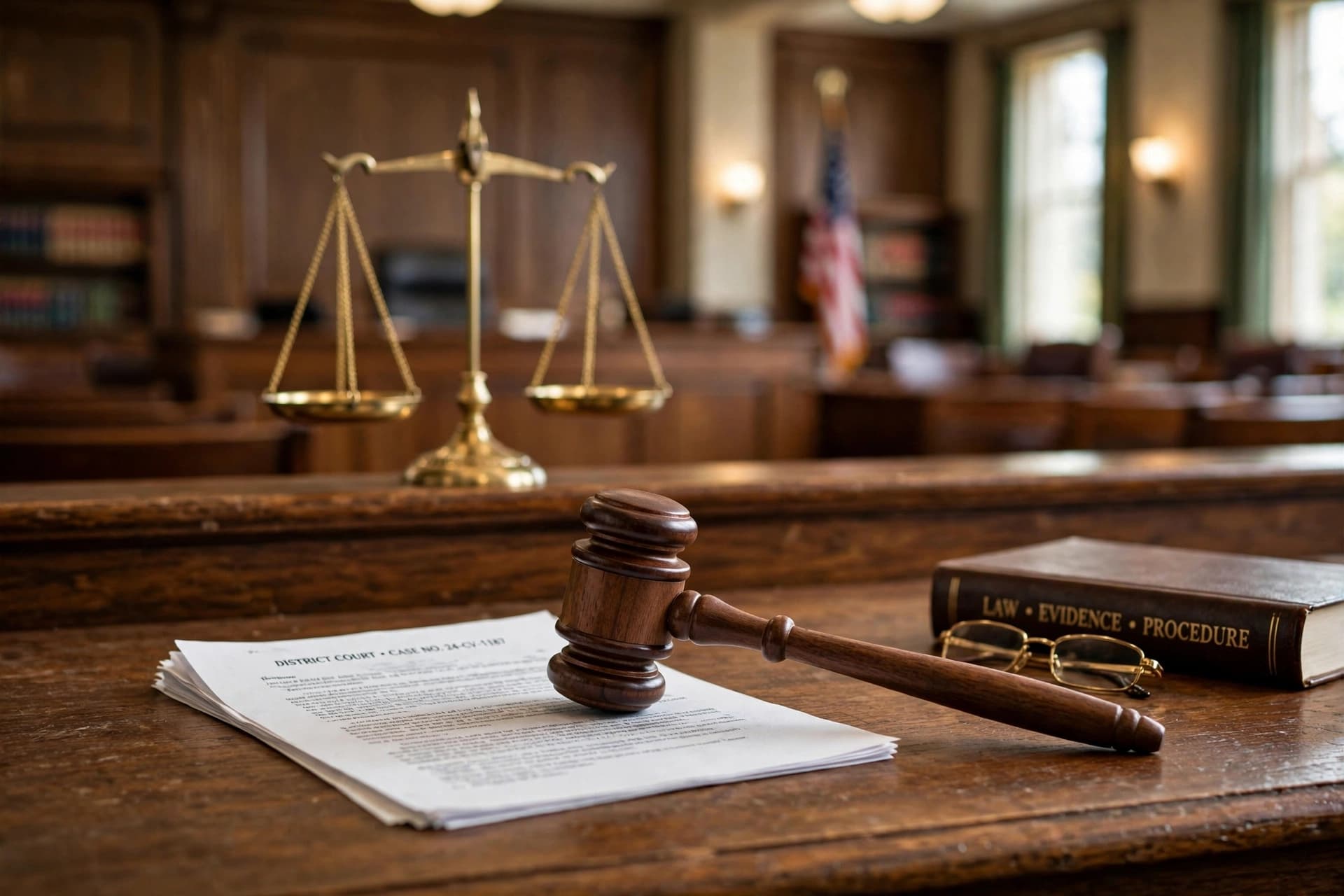
In the humid air of Colombo, where the scent of jasmine often mingles with the salt of the Indian Ocean, a long-awaited chapter of justice has finally been written. Seven years after the devastating Easter Sunday bombings that shattered the peace of Sri Lanka, a high court has found fifteen men guilty of coordinating the attacks. The verdict, delivered on a Tuesday morning, marks a significant milestone in the nation’s journey toward accountability and healing. It is a moment of solemn reflection for a country that has borne the weight of tragedy and the slow, arduous process of legal resolution.
The bombings, which targeted three churches and three luxury hotels, claimed the lives of more than 260 people and injured hundreds more. The scale of the violence was unprecedented in recent Sri Lankan history, leaving deep scars on the social fabric. The court’s decision identifies those responsible for planning and executing the suicide attacks, including Naufer Moulavi, who prosecutors described as the mastermind. For the families of the victims, the conviction brings a measure of closure, though it cannot erase the pain of loss. Justice is a balm, but not a cure.
The trial itself was a monumental undertaking, involving over 23,000 charges and extensive testimony from survivors, experts, and investigators. The judicial process faced numerous delays, reflecting the complexities of prosecuting such a large-scale terrorist act. Yet, the persistence of the legal team and the resilience of the victims’ families ensured that the case remained alive. Their dedication serves as a testament to the enduring human desire for truth. Patience is often the companion of justice.
Nine other defendants were acquitted and released, highlighting the court’s commitment to evidence-based rulings. This distinction underscores the importance of due process, even in cases of high emotional intensity. The legal system must balance the demand for accountability with the protection of individual rights. Fairness is the foundation of trust.
For Sri Lanka, the verdict is more than a legal outcome; it is a step toward national reconciliation. The country has struggled with ethnic and religious tensions for decades, and the bombings exacerbated these divisions. By holding perpetrators accountable, the state signals its commitment to protecting all citizens, regardless of faith. Unity is built on the promise of safety.
International observers have welcomed the decision, noting its significance for global counter-terrorism efforts. The case demonstrates that even in complex political environments, justice can be achieved. It sets a precedent for other nations grappling with similar challenges. The rule of law transcends borders.
Community reactions have been mixed, with some expressing relief and others calling for further investigations into potential intelligence failures. The verdict addresses the direct perpetrators but leaves questions about systemic negligence unanswered. These issues remain part of the ongoing dialogue about security and governance. Truth has many layers.
As the sun sets over Colombo, the city reflects on a day of historical importance. The convictions offer a path forward, allowing the nation to focus on rebuilding and healing. The memory of the victims remains central to this process, honoring their lives through the pursuit of justice. Hope rises from the ashes of tragedy.
AI Image Disclaimer: The visual representations included here are AI-generated illustrations designed to depict themes of justice and remembrance, not actual photographs of the courtroom, the defendants, or the specific sites of the 2019 bombings.
Sources: NPR BBC News The New York Times
Published by Banx Network. This article is part of the Banx decentralized media programme, powered by the BXE token on the XRP Ledger.