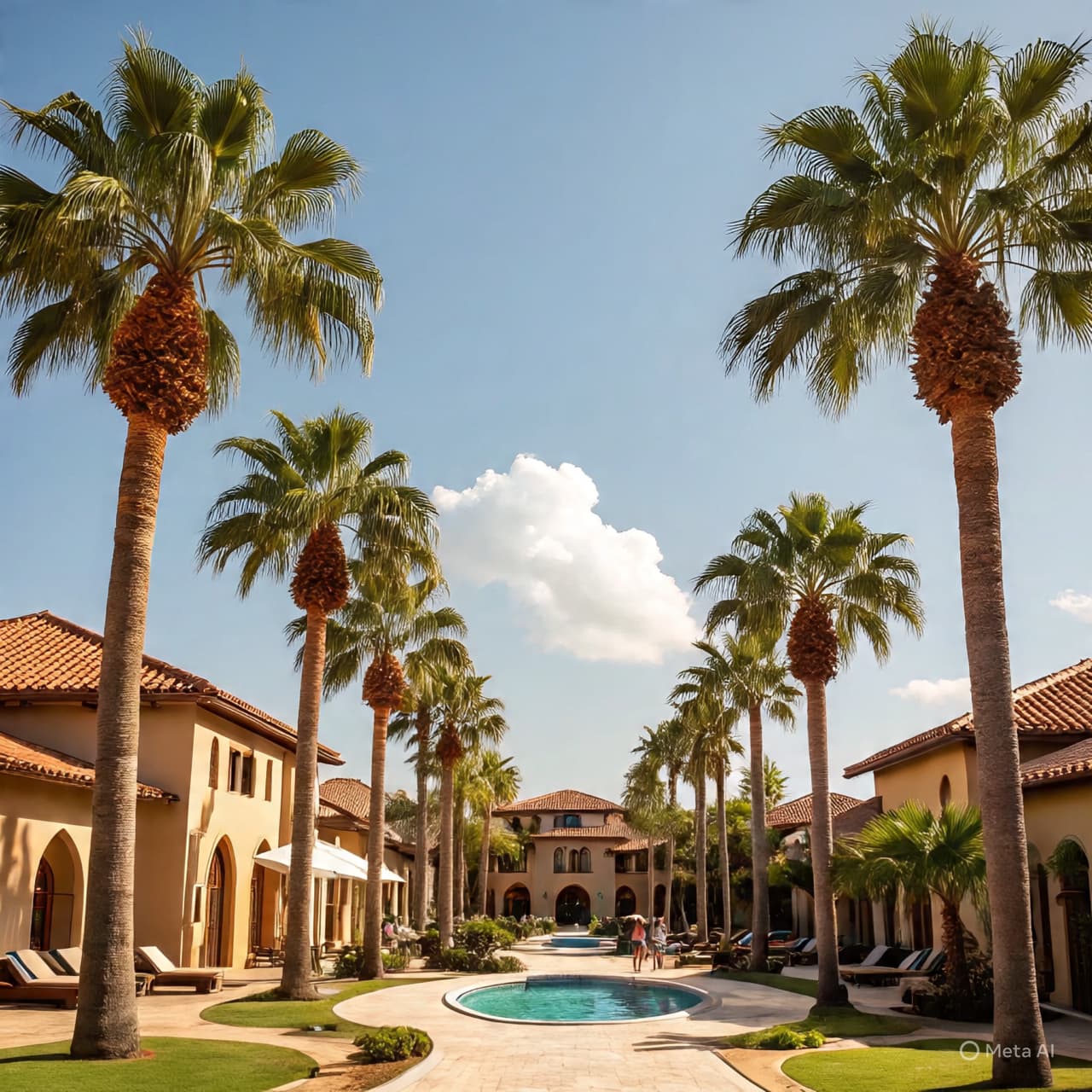
There are places where power speaks in marble and chandeliers rather than microphones. In gilded ballrooms and along manicured fairways, influence sometimes moves not through formal chambers of state but through handshakes beneath palm trees. In the years surrounding his presidency, the private resorts of Donald Trump became more than leisure destinations; to critics and observers, they appeared to function as informal corridors of access.
Throughout his administration, former President frequently visited and conducted official business at properties bearing his name. Most prominent among them was , a private club in Florida that served as a recurring backdrop for meetings with political allies, donors, and foreign dignitaries. The property, often described as the “Winter White House,” hosted fundraisers, policy discussions, and social events that blended the spheres of governance and private enterprise.
Ethics experts and watchdog groups raised concerns that these venues blurred boundaries between public office and personal business. Because the resorts operated as for-profit entities, payments for memberships, event bookings, and accommodations flowed into businesses owned by the president. Critics argued that this created at least the appearance that access to power might be linked to patronage of private properties.
Supporters countered that presidents have long conducted business outside Washington and that security and logistical considerations made familiar venues practical. They also noted that federal law permits presidents to retain ownership of businesses while in office, provided certain disclosure requirements are met. The debate often centered less on legality and more on norms — the unwritten expectations that traditionally separate official duties from personal financial interests.
Investigative reports documented instances in which political committees, lobbyists, and foreign representatives held events at Trump-branded resorts. In some cases, foreign delegations stayed at properties in Washington, D.C., or Florida during official visits. Ethics scholars pointed to the Constitution’s Emoluments Clauses, which restrict federal officeholders from receiving certain benefits from foreign states, as a focal point of legal scrutiny. Several lawsuits were filed during Trump’s presidency, though many were dismissed or rendered moot after he left office.
Mar-a-Lago itself evolved into a symbolic extension of the administration’s orbit. Cabinet members and senior advisers were seen at the club, and policy announcements occasionally followed gatherings there. For members and invited guests, proximity to the setting offered a form of visibility that carried political resonance, even if it did not translate directly into decision-making authority.
The phenomenon also reflected a broader transformation in American political culture, where media presence and brand identity increasingly intersect with governance. Trump, a businessman and television personality before entering politics, maintained a highly personal style of leadership. His properties, already associated with his public persona, naturally became stages upon which political theater unfolded.
After leaving office, Trump has continued to use his resorts as hubs for political activity, including campaign events and party strategy sessions. The blending of hospitality, fundraising, and politics remains a defining feature of his post-presidential presence.
Whether viewed as pragmatic venue choices or as a departure from established norms, the role of Trump’s resorts during and after his administration remains a subject of debate. What is clear is that these properties became part of the architecture of contemporary American political life — spaces where leisure and leadership converged, and where questions about access and influence continue to echo.
AI Image Disclaimer Illustrations were produced with AI and serve as conceptual depictions.
Sources
The New York Times The Washington Post Reuters The Guardian Associated Press
Published by Banx Network. This article is part of the Banx decentralized media programme, powered by the BXE token on the XRP Ledger.