In the soft hush that settles over the horizon as a new year begins, patterns of human movement reveal more than mere numbers; they reveal a quiet collective yearning for change and possibility. Much like autumn leaves drifting toward warmer ground, people seek landscapes that whisper of opportunity, calm, and fulfillment. In 2025, that migration unfolded in a way that surprised many observers and painted a vivid picture of how Americans are reimagining where and how they want to live.
For the first time in recent migration research, a state that is often celebrated for its natural splendor but seldom mentioned as the most popular destination among movers quietly rose to the top. In the Beaver State of Oregon, the allure of scenic coastlines, verdant forests, snow-capped mountains, and vibrant cities like Portland and Bend drew more inbound residents in 2025 than any other state. The state’s blend of affordability, cultural richness, and proximity to outdoor wonders offered a compelling invitation for those seeking a fresh start — a place where both work and life might find new equilibrium.
Unlike past eras where cost or climate alone dictated migration, Oregon’s appeal in 2025 seemed woven from threads of lifestyle, opportunity, and balance. A recent report from United Van Lines found that approximately 65% of moves involving Oregon were inbound, suggesting that a majority of movers entering the state outpaced departures, an uncommon and striking migration ratio. This marked a notable ascent from its position just a few years earlier, when Oregon ranked much lower on similar migration lists.
People who chose Oregon spoke not just of the natural beauty that frames its cities but also of its dynamic job markets, especially in tech, healthcare, and creative industries. Brokers noted that newcomers were drawn by the promise of vibrant communities with a relaxed pace, where the Pacific breeze and mountain sunsets feel almost like companions to daily routines.
The state’s popularity among movers was part of a broader pattern seen across the country in 2025. Southern and western states continued to garner interest due to a combination of lower costs of living, favorable climates, and expanding job opportunities. Other states that ranked highly for inbound moves included North Carolina, Tennessee, and Idaho, each offering their own distinctive blend of landscapes and lifestyle benefits that appealed to both families and professionals alike.
Interestingly, this shift marked the first time Oregon topped such a list, reflecting how migration trends can evolve in subtle but meaningful ways. While historically states like Texas and Florida have dominated migration headlines due to their booming economies and warm weather, Oregon’s ascendancy hinted at a deeper recalibration in how people value quality of life — where cultural vibrancy, access to nature, and community cohesion are weighed alongside opportunity and affordability.
These movements were not isolated choices but part of a tapestry of decisions shaped by both economic circumstances and personal aspirations. As the country faced continued housing cost pressures in some regions and a growing desire for lifestyle flexibility, especially in the wake of remote and hybrid work trends, states with diverse outdoor offerings and manageable living costs became natural magnets for those ready to make a change.
In many ways, the story of 2025’s migration is a reflection of America’s evolving sense of home — one where natural beauty, community, and opportunity converge to shape not just where people live, but how they envision their future.
According to United Van Lines and other migration studies, Oregon emerged as the most popular state for inbound moves in 2025, with an inbound rate of roughly 65%, up from previous rankings, and outpacing other states in the national migration landscape.
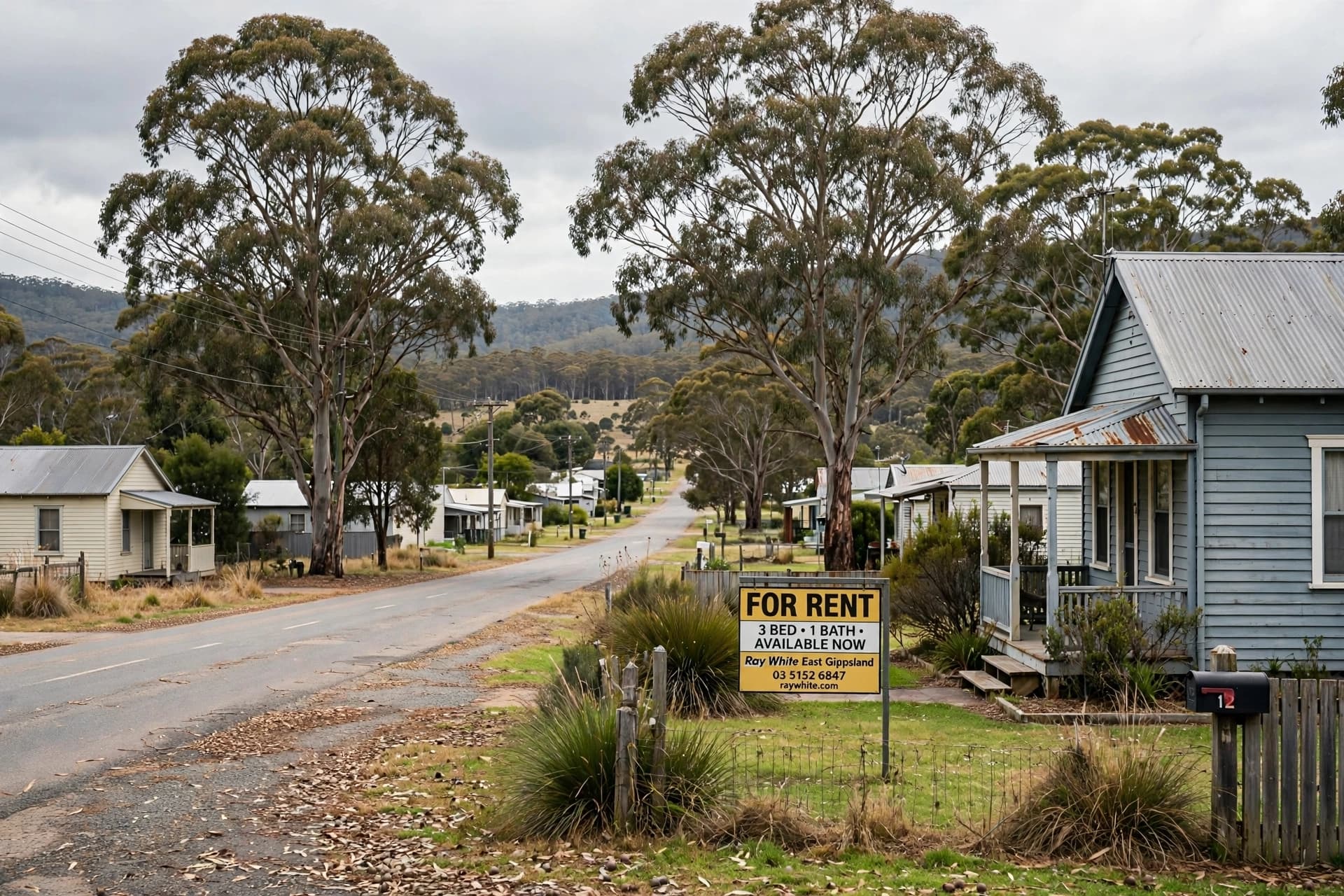
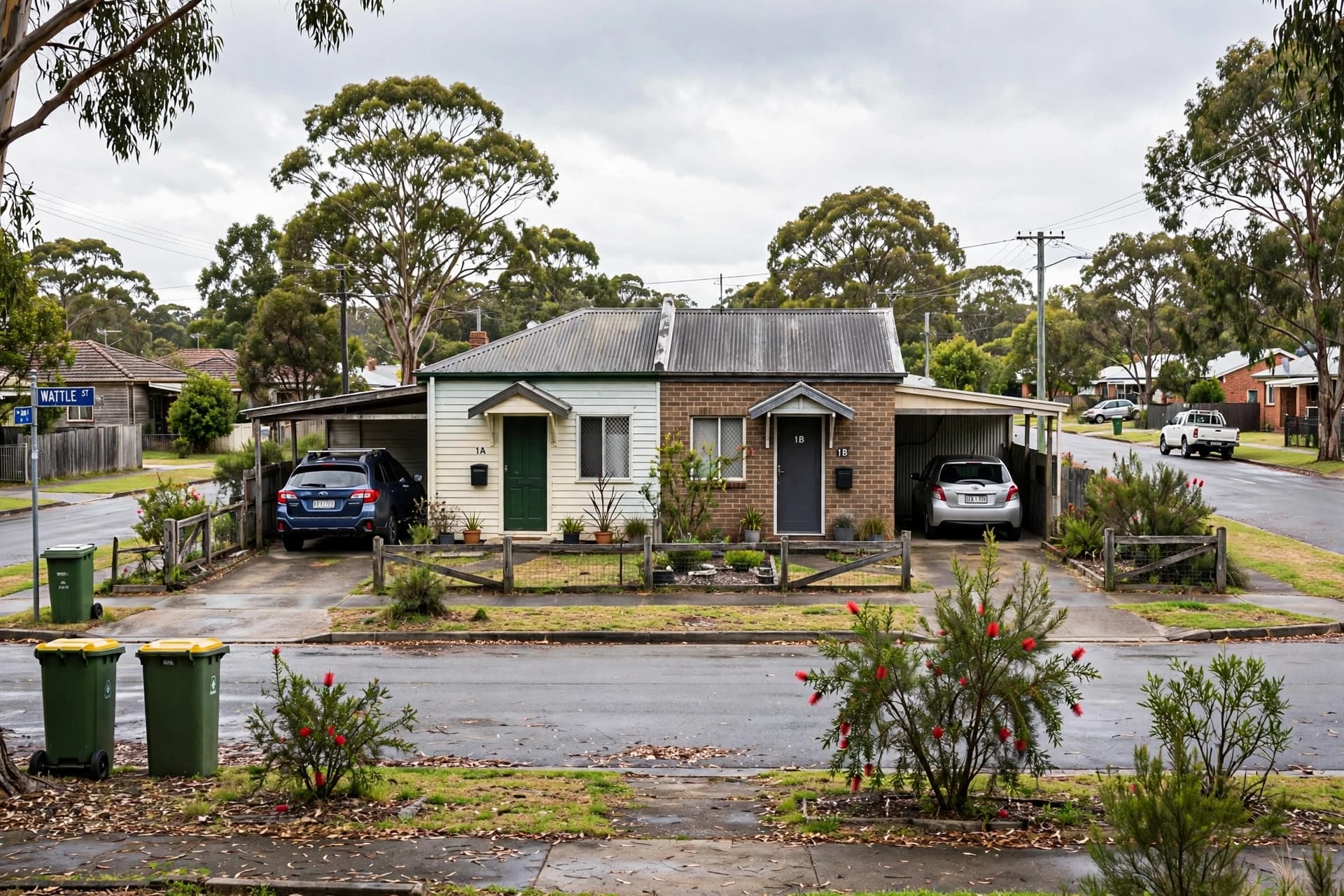
AI Image Disclaimer Visuals are created with AI tools and intended for representation, not reality.
Sources United Van Lines moveBuddha Migration Report U-Haul Growth Index Allied Van Lines Atlas Van Lines analysis
Published by Banx Network. This article is part of the Banx decentralized media programme, powered by the BXE token on the XRP Ledger.