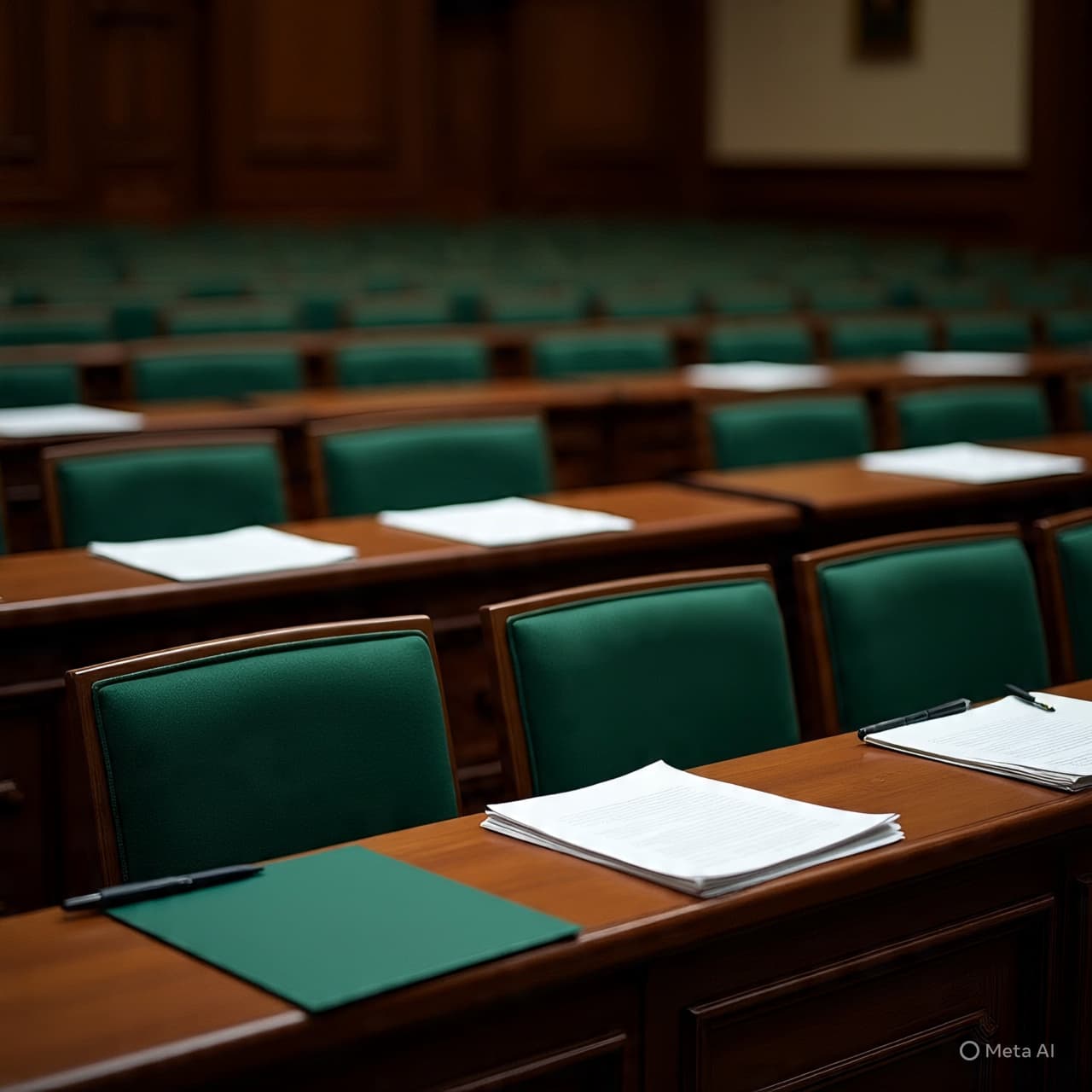
On certain afternoons in London, the light settles softly over the Thames, turning the river into a sheet of muted silver. Inside the Gothic corridors of the Palace of Westminster, footsteps echo beneath vaulted ceilings, and the long green benches of the House of Commons wait in patient rows. They are built for argument, for applause, for the murmured choreography of democracy. Yet at times, they sit half-occupied, like a stage prepared for a play whose actors have not fully arrived.
This week, concern over Member of Parliament absenteeism drifted back into public conversation after cross-party talks aimed at addressing attendance and conduct collapsed once again. The discussions, intended to find common ground on expectations for MPs’ presence in parliamentary sessions and committee work, ended without agreement. It was not a dramatic breakdown—no doors slammed, no speeches flung into headlines—but rather a quiet stalling, the kind that leaves process suspended in midair.
Attendance in the House of Commons has long been shaped by competing demands. MPs divide their time between Westminster and their constituencies, navigating local casework, community events, and national debates. The pandemic years altered rhythms further, introducing hybrid proceedings and remote voting in extraordinary circumstances. While most temporary measures have since been lifted, the question of what presence should mean in a post-pandemic Parliament lingers.
Critics argue that empty benches erode public confidence, especially during high-stakes debates. Supporters of flexibility counter that parliamentary work extends far beyond what is visible in the chamber: committee scrutiny, legislative drafting, and constituency advocacy often unfold away from the cameras. Official attendance data, while published in various forms—such as voting records and committee participation—does not always capture the full scope of an MP’s responsibilities.
The recent talks reportedly sought to clarify standards and explore possible reforms, from tightening expectations around participation to enhancing transparency for constituents. Yet divisions remain over how to measure commitment in a role that is both local and national, public and procedural. Some MPs caution against rigid metrics that could reduce complex civic labor to a tally sheet; others emphasize that accountability begins with visibility.
Beyond Westminster, the issue resonates in quieter ways. In market towns and city neighborhoods, constituents measure representation not in procedural language but in felt presence: a reply to a letter, a visit to a school, a voice raised in debate when local industries falter. Trust, like the river at dusk, reflects what stands before it. When citizens sense distance, even procedural disagreements can seem symbolic.
The collapse of the latest parley does not close the matter. Parliamentary authorities continue to publish voting and committee records, and party leaderships retain internal mechanisms to encourage attendance. The Speaker’s office has reiterated the importance of engagement in chamber business, particularly during major legislative sessions. For now, however, the broader consensus that negotiators hoped to reach remains out of grasp.
As winter light fades earlier across the capital, the Commons chamber will again fill and thin according to the rhythms of debate. Democracy, by its nature, is uneven—its benches sometimes crowded, sometimes sparse. The question now is less about a single failed meeting than about the steady calibration of presence and responsibility. In the hush between divisions, the green benches wait, carrying the weight of both tradition and expectation.
AI Image Disclaimer Illustrations were created using AI tools and are not real photographs.
Sources BBC News The Guardian UK Parliament Reuters The Financial Times
Published by Banx Network. This article is part of the Banx decentralized media programme, powered by the BXE token on the XRP Ledger.