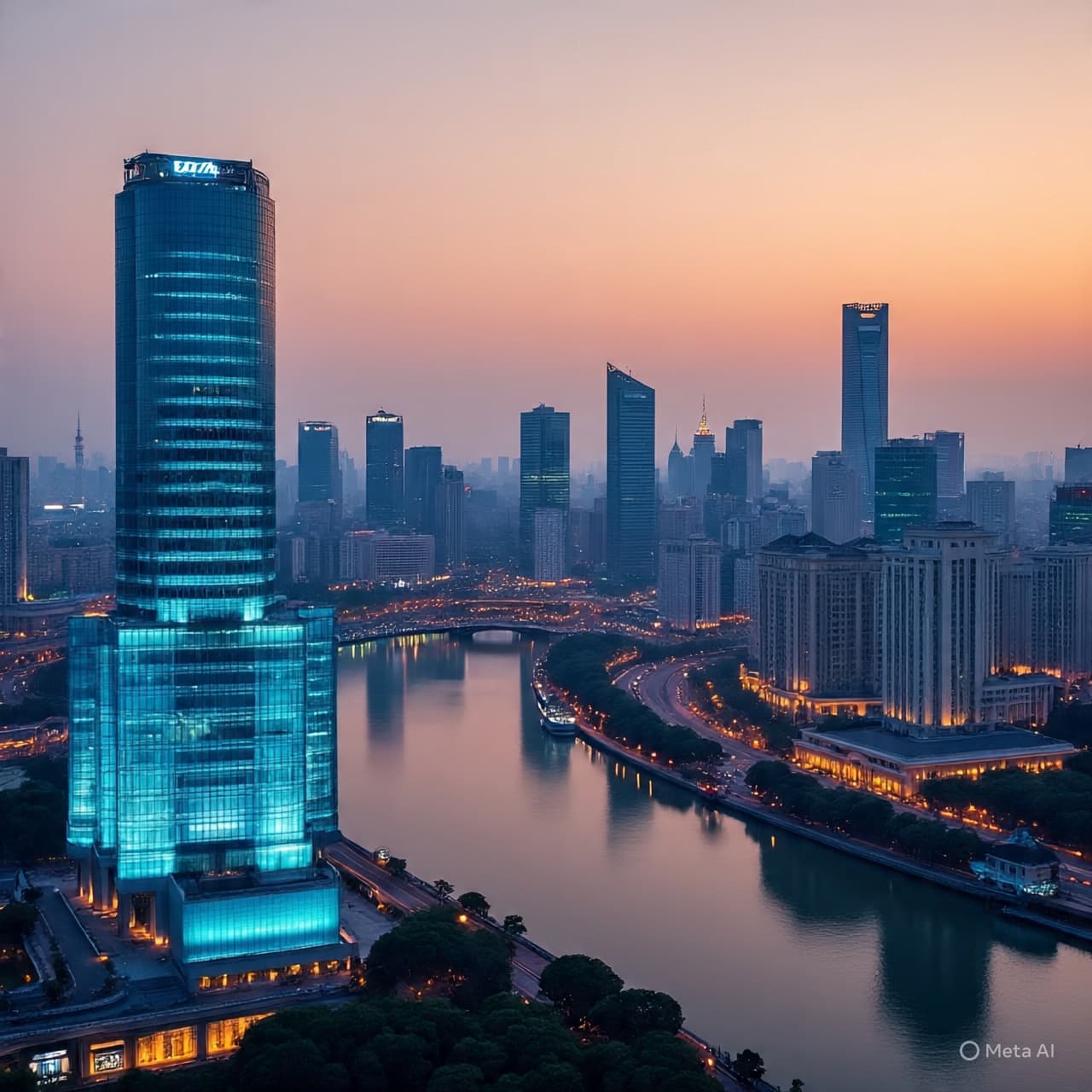
Along the banks of the Huangpu River, the city hums with a familiar energy. Cargo still moves through its ports, finance still pulses through glass towers, and factories still anchor its outskirts. But beneath this surface, a quieter infrastructure is taking shape — one measured not in containers or cranes, but in processing power.
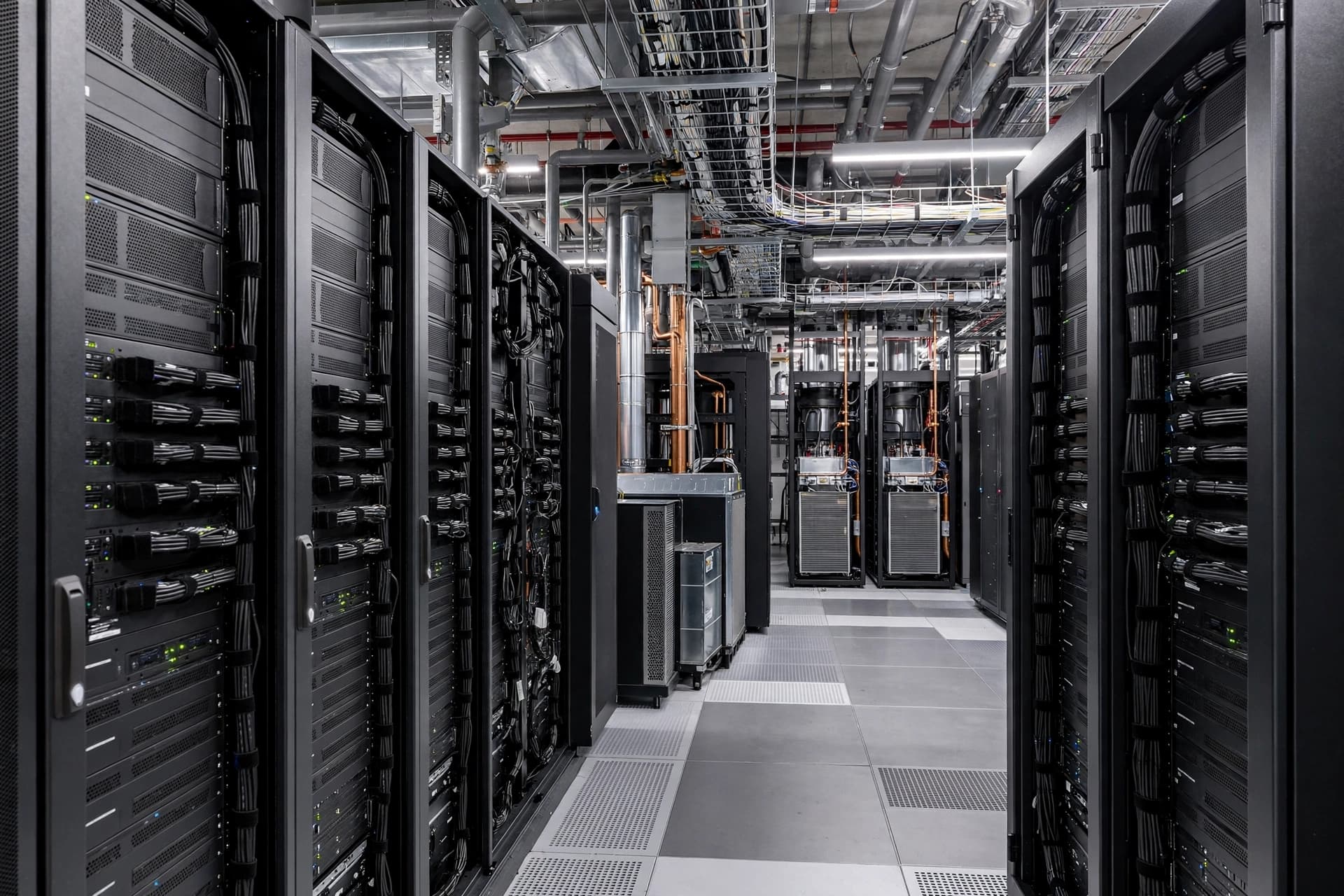
Shanghai is accelerating its push to become a global computing hub, expanding capacity across data centers, high-performance computing clusters, and artificial intelligence infrastructure. Local authorities have framed computing power as a foundational resource, placing it alongside energy, land, and capital as essential to future growth.
The effort reflects a broader shift in how cities compete. In an economy increasingly shaped by algorithms, cloud services, and large-scale models, raw computing capacity has become a form of strategic currency. Shanghai’s response has been to scale rapidly, coordinating government planning with industrial investment to support research, finance, manufacturing, and emerging technologies.
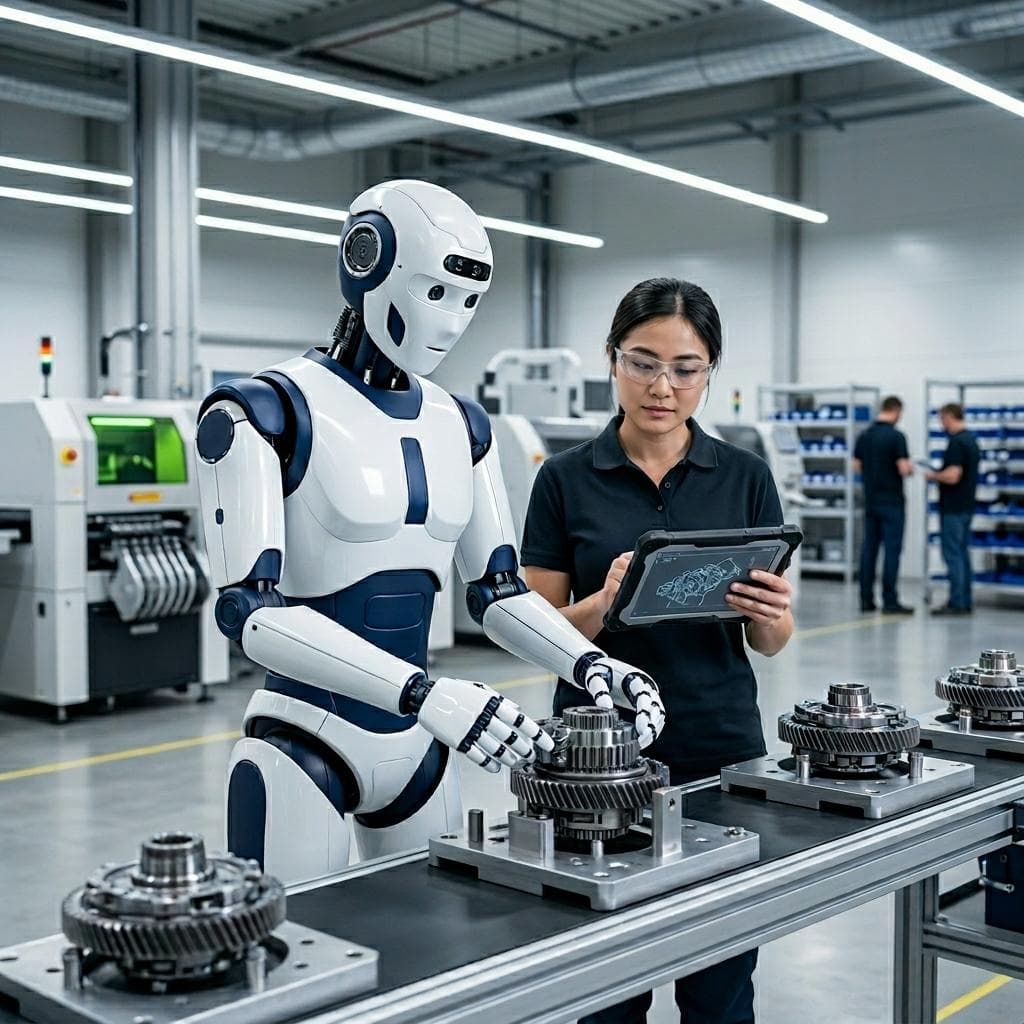
New computing facilities are rising across designated zones, designed to handle workloads ranging from scientific simulation to AI training. These centers are paired with policies aimed at optimizing energy use, managing heat, and integrating renewable power, acknowledging that computation now carries physical and environmental weight.
The city’s ambition is not only technical but economic. By concentrating computing resources, Shanghai aims to attract companies that depend on intensive data processing — from autonomous systems and biotech to financial modeling and advanced manufacturing. The logic is familiar: where infrastructure gathers, ecosystems follow.
At the same time, the push underscores how deeply computing has been woven into governance itself. Municipal services, traffic systems, healthcare platforms, and urban planning increasingly rely on real-time data analysis. Expanding capacity is as much about managing the city as it is about exporting services beyond it.
Challenges remain. Computing growth strains energy grids and raises questions about efficiency and sustainability. Global competition is intense, with other regions racing to build their own digital backbones. And geopolitical currents shape how technology, talent, and hardware move across borders.
Yet Shanghai’s approach is methodical rather than flashy. The city has long specialized in scale — in logistics, finance, and manufacturing — and computing fits naturally into that tradition. The goal is not to invent a new identity, but to extend an existing one into the digital realm.
As servers replace smokestacks and data flows alongside shipping lanes, Shanghai’s evolution reflects a larger truth of the modern economy. Power no longer resides only in what a city produces or trades, but in what it can calculate. And in that quiet arithmetic, Shanghai is positioning itself to matter well beyond its skyline.
AI Image Disclaimer Visuals are AI-generated and serve as conceptual representations.
Sources Shanghai Municipal Government China Daily Caixin South China Morning Post MIT Technology Review
Published by Banx Network. This article is part of the Banx decentralized media programme, powered by the BXE token on the XRP Ledger.