There are cities that whisper history, and there are cities that hum with ideas. In Australia’s capital, the air seems to carry questions—about stars, fossils, circuits, and the quiet mathematics of the natural world. For children who look at the night sky and wonder how it holds together, or who dismantle toys to see what lies inside, Canberra can feel less like a destination and more like an invitation.
Set between open skies and carefully planned avenues, Canberra offers a constellation of places where curiosity is not only welcomed but celebrated. For science-obsessed kids, it is a landscape of experiments waiting to happen.
At the heart of this intellectual playground stands the . More than a museum, it is a hands-on laboratory of imagination. Earthquake simulators rumble beneath small feet, free-fall slides demonstrate gravity’s pull, and interactive exhibits turn abstract physics into tangible delight. Here, learning arrives not as instruction but as discovery.
Just across the lake, the weaves science into the broader story of land and life. Its galleries explore Australia’s unique ecosystems, ancient megafauna, and the environmental forces that shaped the continent. For young minds, the blend of natural history and scientific inquiry opens a window into deep time.
A short journey away, the offers a quieter form of exploration. Among native plants found nowhere else on Earth, children can trace the logic of adaptation—how leaves conserve water, how flowers attract pollinators. Science here unfolds in sunlight and soil, revealing the delicate engineering of nature.
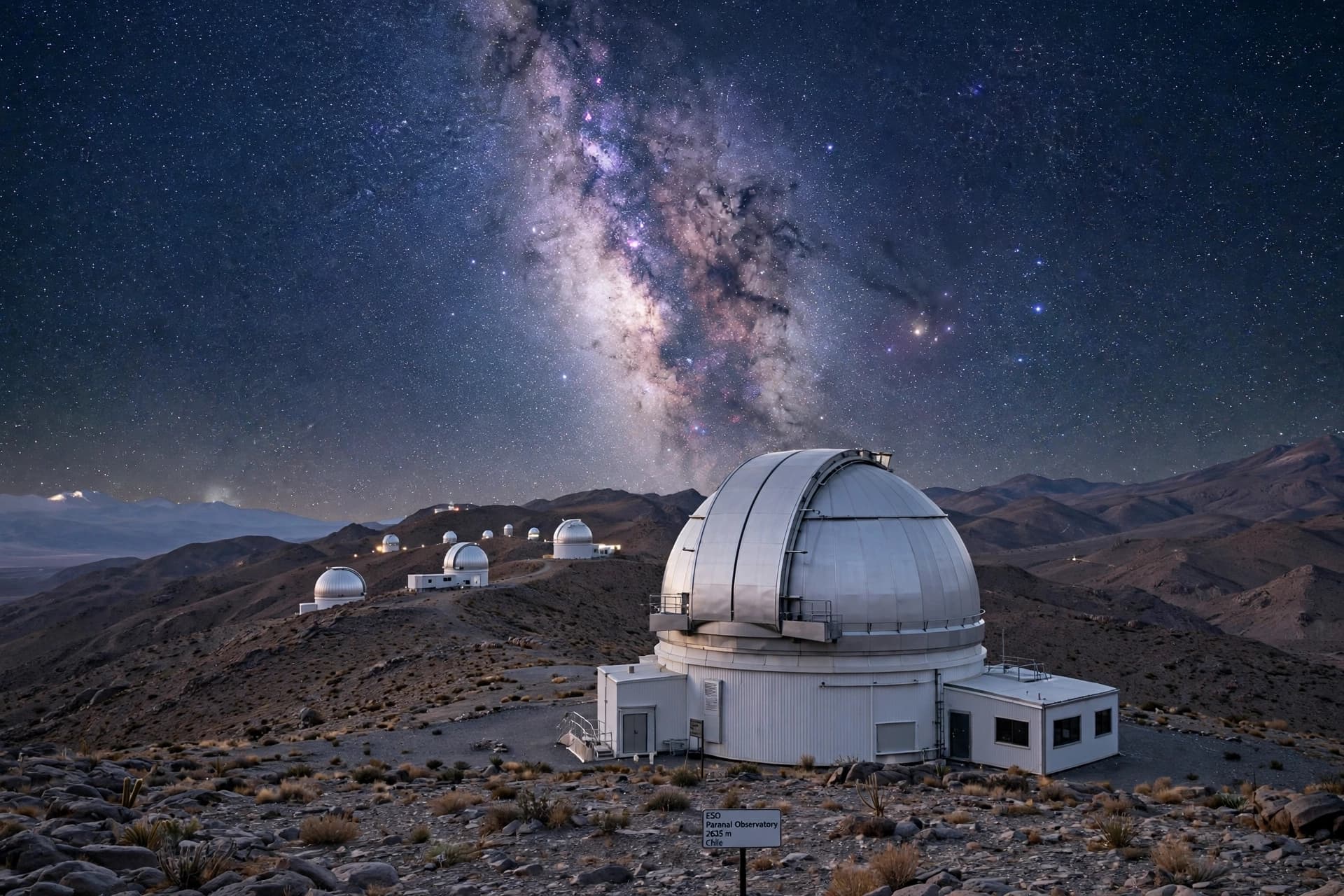
For those drawn to the vastness above, the provides a glimpse into the cosmos. Once a hub of astronomical research, it now invites visitors to reflect on humanity’s efforts to chart distant galaxies. Even by day, standing among the telescopes suggests the scale of questions scientists continue to ask.
Inside the halls of the , research becomes accessible. Interactive displays showcase innovations in robotics, climate science, and space technology developed by Australia’s national science agency. It is a reminder that discovery is not confined to textbooks; it is ongoing and evolving.
For a journey into prehistoric life, the captures imaginations with towering skeletons and fossil replicas. Dinosaurs may be long extinct, but their presence sparks questions about extinction, evolution, and Earth’s shifting climate.
Finally, the connects visitors to missions far beyond Earth. As one of NASA’s tracking stations, it plays a role in communicating with spacecraft exploring the solar system. For science-loving children, the idea that signals from Mars pass quietly through Canberra can feel almost magical.
Each destination offers a different lens on science—mechanical, biological, astronomical. Together, they create a mosaic of inquiry. Canberra does not overwhelm with spectacle; instead, it encourages steady wonder. It asks children not only to observe but to participate, to press buttons, to peer through lenses, to imagine futures shaped by curiosity.
As families plan visits, many of these institutions provide updated programs, workshops, and seasonal exhibits designed specifically for young learners. Opening hours and event schedules vary, so checking official visitor information before arrival is recommended. For science-obsessed kids, Canberra remains a city where questions are met with open doors.
AI Image Disclaimer
Visuals are created with AI tools and are not real photographs.
SOURCE CHECK
Credible coverage found in:
BBC Travel The Guardian CNN Travel National Geographic Lonely Planet
Published by Banx Network. This article is part of the Banx decentralized media programme, powered by the BXE token on the XRP Ledger.