There are few places in the financial world where the pulse of human mood feels as palpable as in global markets. Like leaves carried on a shifting breeze, investor sentiment can turn with new winds of information, expectation, or uncertainty. Traditionally, many have turned to gold as the barometer of fear — a shining refuge when clouds gather over the economic horizon. Yet, in recent weeks and months, another set of indicators has begun speaking more clearly about collective confidence: emerging markets.
Gold’s historical role as a safe haven is long woven into the fabric of investing lore. When economic clouds gather or geopolitical tensions flare, traders have often sought shelter in the metal’s gleam, driving prices higher as fear rises. But the very strength of this relationship is shaped by sentiment grounded in anxiety rather than optimism. Fundamental measures of investor mood — such as equity performance, capital flows, and corporate earnings — are not always captured well by movements in gold, which can remain buoyed or subdued largely by perceptions of risk.
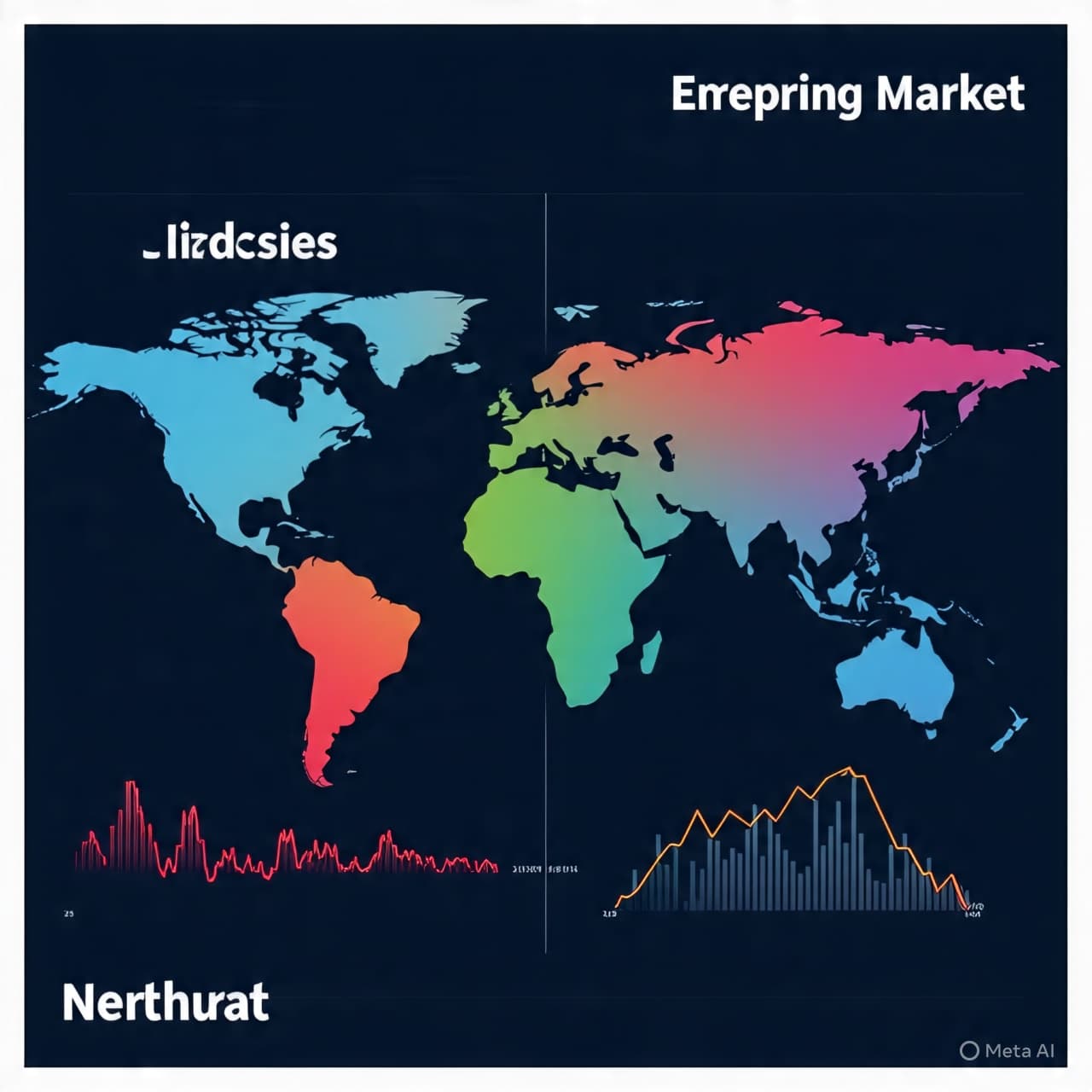
Emerging markets, by contrast, reflect a broader tapestry of expectations. These are economies and markets that often trade not just on headlines, but on the prospect of real growth, export demand, and structural development. When investors feel a sense of sanguine possibility about the global economy, money moves into equities in South Korea, Taiwan, Chile, and beyond — not simply to chase returns, but to stake a claim in future expansion. According to recent data, the MSCI Emerging Markets Index has surged to record highs, suggesting more than passive allocation flows. It signals confidence — in growth prospects, in demand for exports, and in the ability of risk-taking strategies to reap reward.
This contrast — between gold’s gravity toward fear and emerging markets’ tether to growth expectations — echoes a deeper truth about the psychology of investing. Gold is often the backdrop against which fear is painted; it rises when markets shudder and investors seek security. Emerging markets, on the other hand, tend to rise when confidence and global liquidity encourage allocation to risk assets. They capture not only fear’s absence but hope’s presence.
In 2026, as major economies navigate inflation, geopolitical shifts, and monetary policy expectations, the resilience and strength of emerging market assets provide an intriguing signal. Their performance suggests an underlying belief, among many investors, that growth — albeit uneven — remains attainable. In this sense, they are less a refuge from fear and more a compass pointing toward opportunity.
In recent market behavior, analysts note that emerging markets have outpaced traditional safe havens like gold as a gauge of investor mood, reflecting broader economic optimism and diversification flows even as other assets fluctuate
AI Image Disclaimer “Visuals are created with AI tools and are not real photographs.”
Sources
Financial Times Reuters (investor surveys and sentiment context) Market research on emerging market performance Asset management emerging markets outlook Academic studies on sentiment impacts on markets and commodities
Published by Banx Network. This article is part of the Banx decentralized media programme, powered by the BXE token on the XRP Ledger.