In the delicate ecosystem of public utilities, financial stability is often intertwined with regulatory trust. For Pacific Gas and Electric (PG&E), a company that has faced intense scrutiny following devastating wildfires, the ground beneath its stock value has shifted once again. California’s decision to withhold certain liability protections has sent shockwaves through the market, causing shares to plummet. This event underscores the precarious balance between corporate responsibility, investor confidence, and the urgent need for wildfire prevention.
The state’s move reflects a growing demand for accountability. After years of catastrophic fires linked to utility infrastructure, lawmakers and residents have insisted that companies bear the full weight of negligence. By withholding liability caps or protections, California aims to incentivize stricter maintenance and faster upgrades. For PG&E, this means facing potentially unlimited financial risks from future fire damages, a prospect that spooks investors.
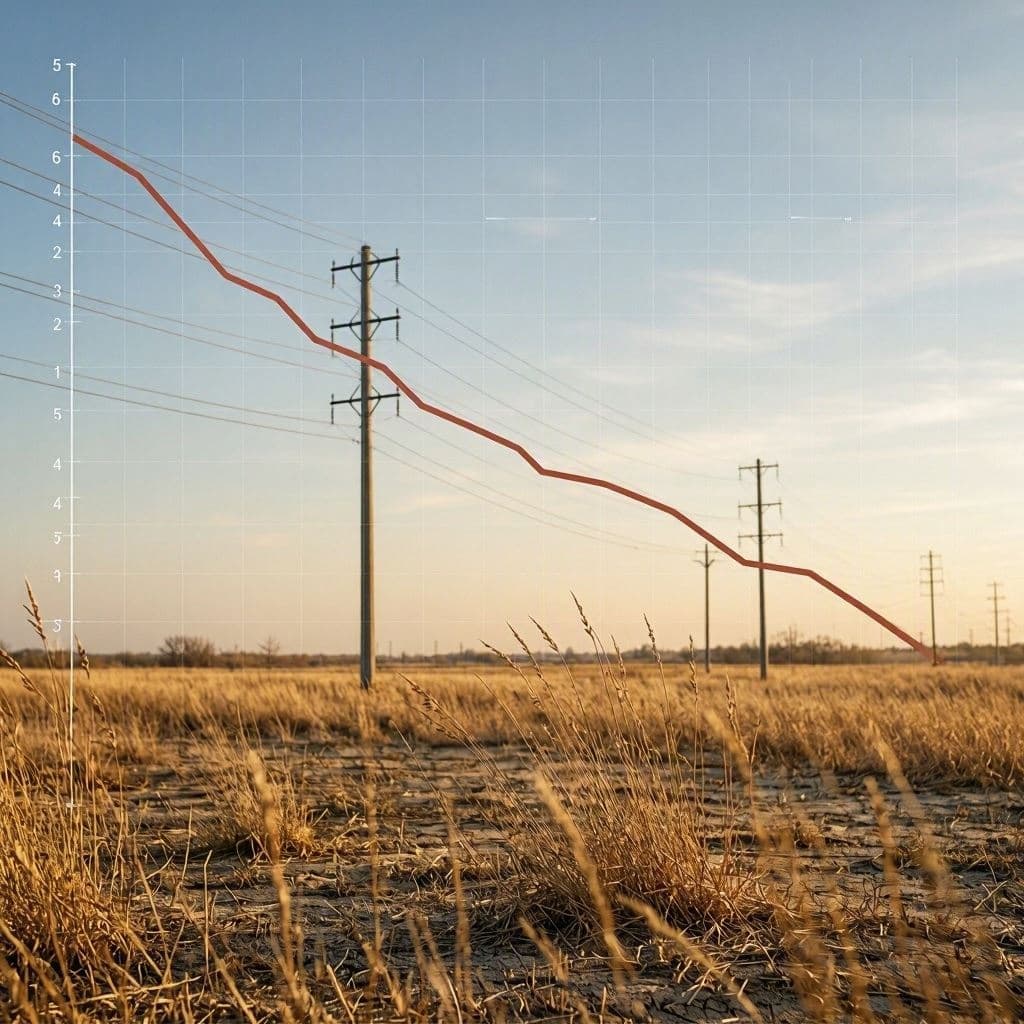
The stock market reacts swiftly to perceived risk. The plunge in PG&E’s share value indicates that investors are reassessing the company’s long-term viability under this new regulatory framework. Concerns about bankruptcy or severe financial strain have resurfaced, echoing the turmoil the company faced in previous years. This volatility highlights the high stakes involved in managing critical infrastructure in a fire-prone region.
For consumers, the implications are mixed. While greater accountability may lead to safer grids, the financial burden on the utility could eventually translate into higher rates. Regulators must navigate this tension, ensuring that the push for safety does not compromise the affordability and reliability of electricity service. It is a complex equation with no easy answers.
Wildfire prevention requires massive investment. PG&E has committed billions to hardening its grid, burying power lines, and implementing advanced monitoring systems. However, the withdrawal of liability protections may complicate financing for these projects. If the cost of capital rises due to perceived risk, the pace of improvements could slow, potentially counteracting the state’s safety goals.
Legal experts note that this decision sets a significant precedent. It signals that utilities cannot rely on statutory shields to mitigate the consequences of operational failures. This shift places a heavier onus on proactive management and rigorous compliance. For the industry, it serves as a warning that public tolerance for risk is diminishing.
Community reaction has been divided. Survivors of past wildfires welcome the move as a step toward justice and prevention. They argue that only strict financial consequences will drive the necessary changes. Conversely, business leaders and some policymakers worry about the broader economic impact, fearing that instability in the utility sector could affect the state’s overall economic health.
As the situation develops, all eyes are on how PG&E responds. The company may seek legislative compromises or accelerate its safety initiatives to restore confidence. The state, meanwhile, remains firm in its stance that public safety must take precedence over corporate protection. This standoff will likely shape the future of utility regulation in California.
The drop in PG&E’s stock following California’s decision to withhold wildfire liability protections highlights the tension between accountability and financial stability. As the state prioritizes safety, the utility faces increased risk, prompting a reevaluation of its operational and financial strategies. The outcome will have lasting implications for both investors and residents.
AI Image Disclaimer: The visual elements accompanying this article are AI-generated interpretations designed to symbolize the intersection of finance, energy, and wildfire risk, using abstract imagery of stock charts and power lines.
Sources: San Francisco Chronicle MarketWatch
Published by Banx Network. This article is part of the Banx decentralized media programme, powered by the BXE token on the XRP Ledger.