The modern economy moves on a continuous stream of petroleum, a highly regulated and vital liquid asset that powers the transport fleets, industrial machinery, and personal vehicles of the urban centers. Within the municipal infrastructure, the distribution of fuel is a process governed by strict quality standards and safety protocols designed to protect engines and ensure environmental compliance. The integrity of this supply chain forms the invisible foundation of daily logistics, allowing society to move with confidence that the energy purchased at the pump is pure and efficient. When this standard is compromised by a clandestine processing operation, the discovery introduces a profound concern into the administrative offices.
To dismantle an underground facility dedicated to distributing adulterated fuel to local gas stations is to uncover a highly sophisticated form of economic fraud and public hazard. This is not the simple opportunism of a single rogue vendor; it is an organized industrial-scale enterprise that systematically blends high-quality petroleum with substandard chemicals or low-grade solvents to inflate volumes and maximize profits. When this corrupted mixture is introduced into public gas stations, it causes severe, long-term damage to vehicle engines, increases toxic emissions, and cheats consumers out of verified product value. It is a shadow industry that treats public safety and infrastructure longevity as mere collateral damage for illicit gain.
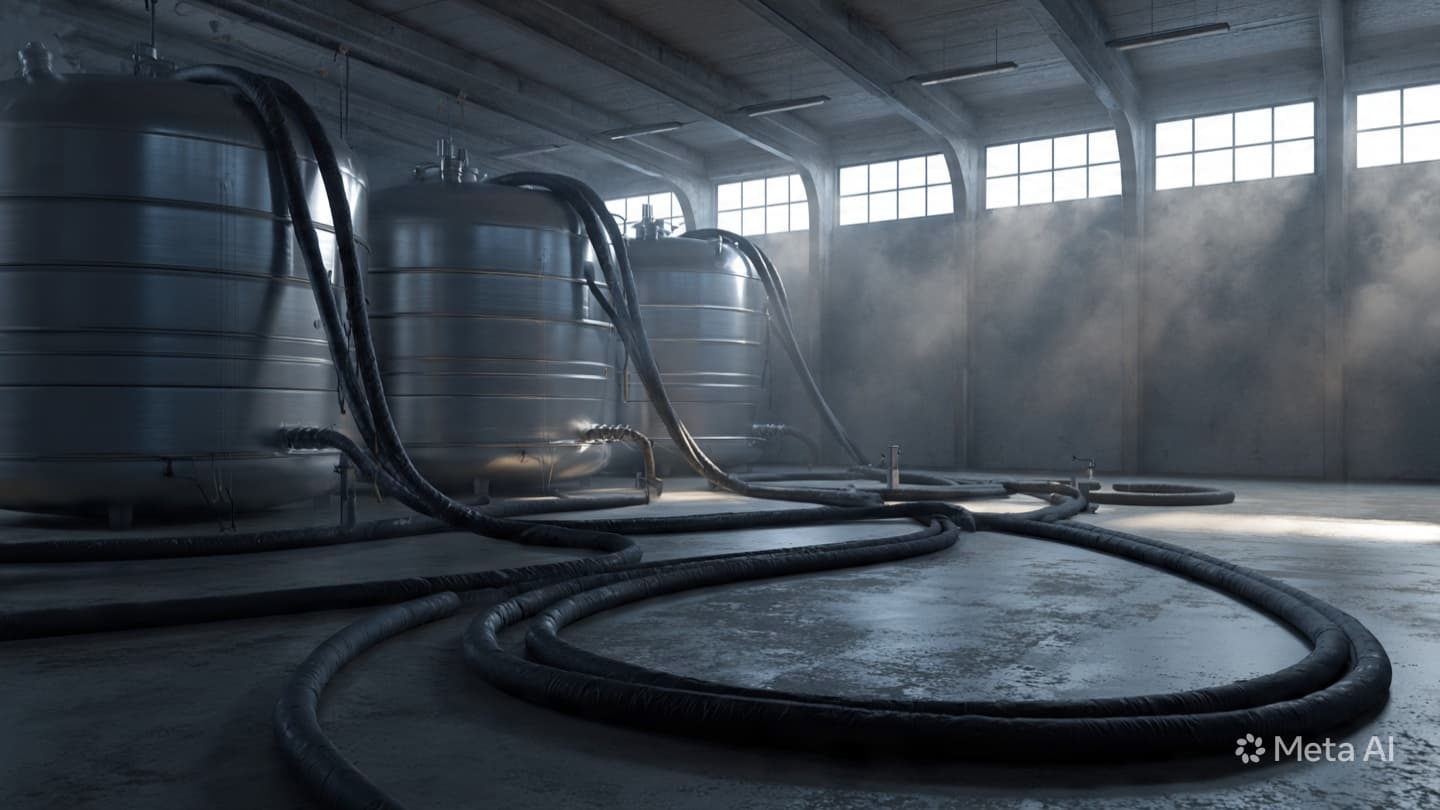
The intervention by Malian authorities, executing a synchronized raid on the suspected industrial compound, was carried out with a methodical, quiet precision that characterized the complexity of the hazard. Operating on data gathered from routine fuel quality testing at retail pumps, enforcement units traced the supply anomalies back to a hidden warehouse in the industrial outskirts. The subsequent dismantling of the mixing vats, the securement of thousands of liters of chemical agents, and the closure of the site were completed without public disruption, effectively severing a major artery of counterfeit commerce.
There is a significant economic distortion introduced into a developing urban center when substandard commodities are allowed to circulate freely through established retail nodes. The proliferation of adulterated fuel undercuts legitimate distributors who comply with high tax obligations and rigorous importing standards, creating an unequal marketplace that punishes legal conformity. Furthermore, the widespread mechanical failures caused by contaminated petroleum place an artificial financial burden on transport companies and private citizens, who must spend critical resources on engine repairs rather than productive enterprises.
As the impounded storage tanks and chemical blending equipment are sealed by ministry inspectors, the scale of the syndicate’s technical coordination becomes undeniable. These operations require specialized knowledge, access to bulk industrial chemicals, and a network of complicit gas station managers willing to accept unverified shipments under the table. The current raid is felt as a necessary, definitive reassertion of regulatory sovereignty over the nation's energy supply, proving that the vital channels of industry cannot be used to facilitate undocumented fraud.
The Ministry of Commerce, in partnership with environmental protection agencies, has since announced a comprehensive tightening of fuel inspection protocols across all municipal fueling stations. By deploying mobile testing laboratories capable of conducting immediate chemical analysis at the pump, authorities hope to detect contamination before it reaches the consumer's vehicle. This proactive strategy aims to wrap the entire retail petroleum sector in a layer of continuous oversight, making it impossible for illicit mixtures to find a market.
The legal prosecution initiated against the operators of the underground facility will focus heavily on mapping the supply chains that provided the bulk chemical modifiers used in the blending process. The evidence gathered during the raid provides a rare window into the financial architecture of the regional black market for energy products, allowing investigators to anticipate future trends in industrial counterfeiting. It is a quiet, intellectual victory for a regulatory apparatus that must constantly defend the consumer framework from the invisible dangers of chemical fraud.
The day advances, and the local gas stations return to their familiar, busy rhythms, the sounds of cars and motorcycles filling the forecourts as commuters refuel under a clear sky. The sealed gates of the dismantled facility stand as a silent reminder of a hidden hazard successfully contained by the vigilance of the state. The energy lines of the city flow pure once more, their quality protected by a renewed institutional commitment to the rule of law and the defense of public infrastructure.
Published by Banx Network. This article is part of the Banx decentralized media programme, powered by the BXE token on the XRP Ledger.