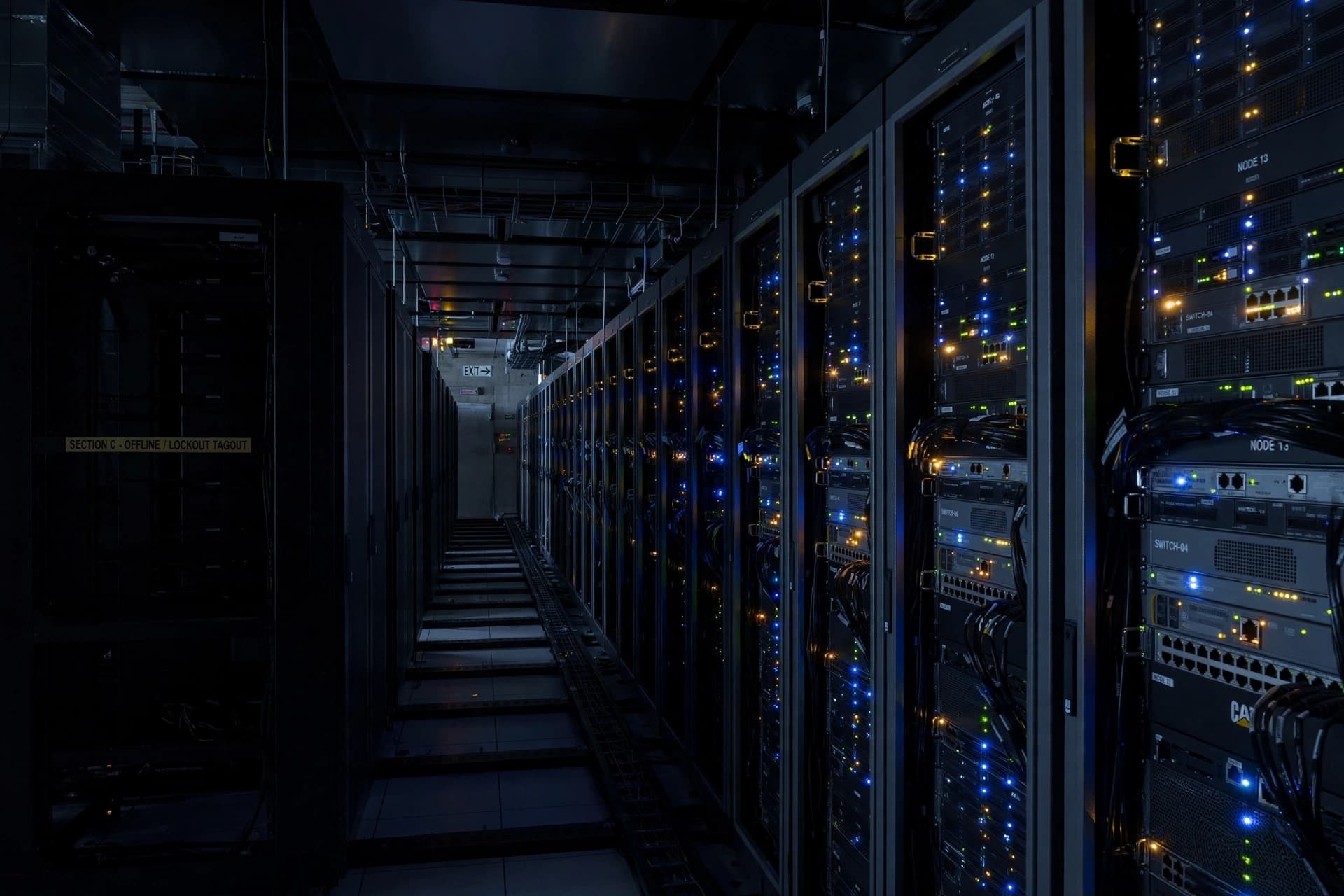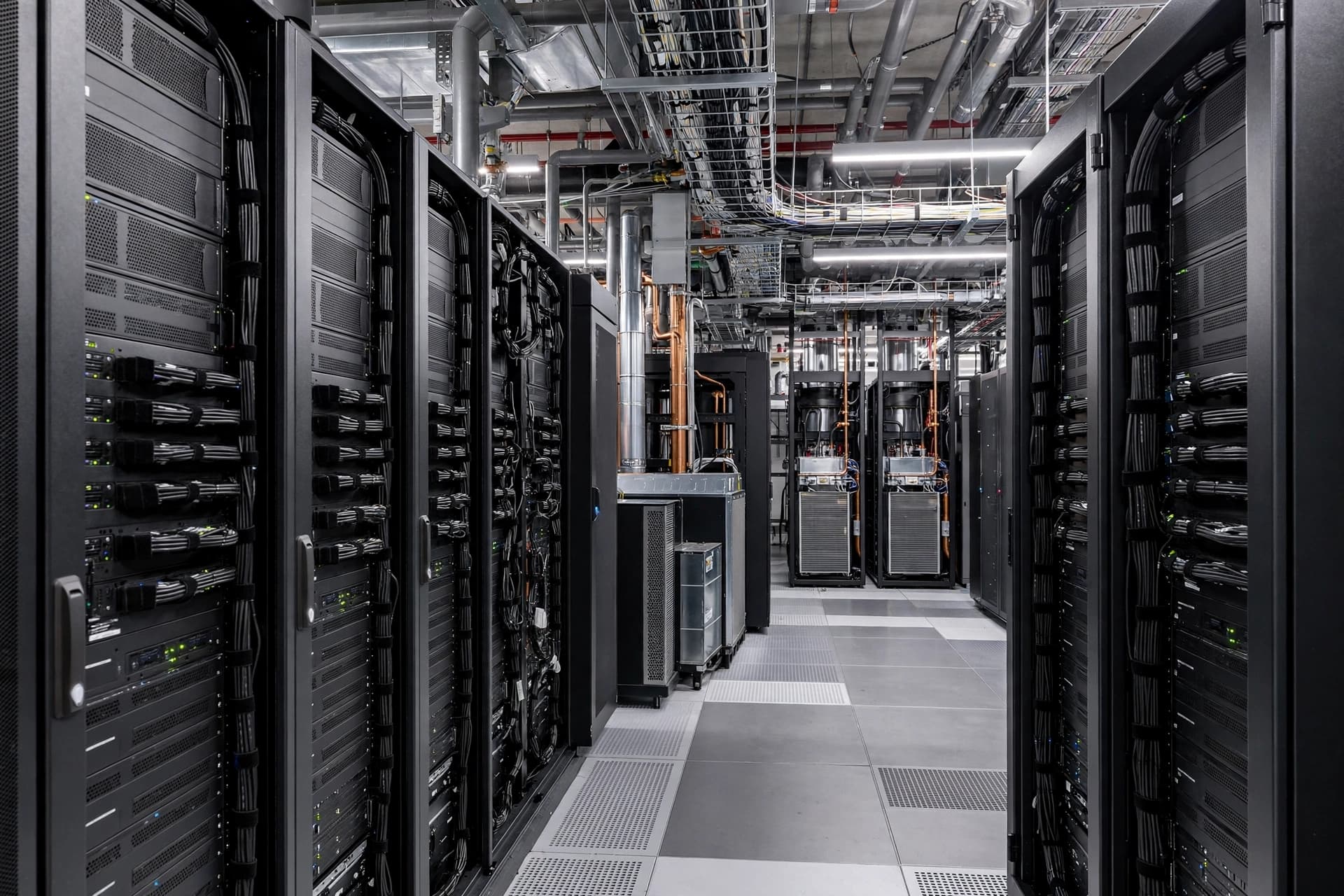
The morning hum inside a data center is not unlike weather—steady, artificial, quietly powerful. Racks of servers breathe warm air through corridors of cable and light, unseen by most of the world they now support. Somewhere far from these rooms, markets open, analysts scan statements, and futures are adjusted. The physical and the abstract meet in a sentence that lands softly but carries weight.
Alphabet, the parent company of Google, has said it could double its capital spending in 2026, a remark that settled into markets as both promise and signal. The words were measured, conditional, yet unmistakable in direction. They pointed toward a future that demands more concrete—more silicon, steel, electricity, and space—to sustain the next phase of digital growth.
The context is familiar now. Artificial intelligence has shifted from concept to infrastructure, from software novelty to physical requirement. Training large models and operating them at scale draws heavily on data centers, custom chips, and energy-hungry systems that must be built well before returns are realized. Alphabet’s existing investments already reflect this trajectory, with rising capital expenditures tied to cloud services and AI development. The possibility of doubling that spending suggests the curve may steepen further.
Investors heard the comment as a recalibration of expectations. Capital discipline has long been a quiet metric by which technology giants are judged, especially after years when growth seemed limitless and cheap. Increased spending raises questions about margins and timelines, even as it reinforces confidence that demand—for search, cloud computing, and AI-powered services—will continue to expand. The tension between patience and payoff remains unresolved, but it is increasingly central.
Within Alphabet, the logic is structural. Competition among major technology firms has shifted toward who can build fastest and most reliably at scale. Models can be copied; infrastructure cannot. Chips must be ordered years in advance. Power agreements negotiated. Land secured. In this race, hesitation carries its own cost, measured not only in market share but in relevance.
The ripple effects extend outward. Utilities, construction firms, chipmakers, and local governments all find themselves tied, indirectly, to these spending plans. Capital expenditure is not just a balance-sheet line; it becomes roads widened, grids reinforced, and regional economies reshaped around facilities designed to be invisible yet indispensable.
Still, the language remains careful. “Could” is not “will.” Economic conditions, regulatory pressures, and technological efficiency gains may yet temper the scale of investment. AI itself promises optimization, even as it demands expansion. The future being built is not fixed; it is iterative, revised quarter by quarter.
As the day moves on and the servers continue their quiet work, Alphabet’s statement lingers as an outline rather than a blueprint. It suggests a company preparing for a world that asks more of its machines and, by extension, of its capital. Whether the spending doubles or merely climbs, the direction is clear: the digital age is becoming heavier, more physical, and more expensive to sustain. The question is not whether that investment will be made, but how its weight will settle across the economy that depends on it.
AI Image Disclaimer Visuals are AI-generated and serve as conceptual representations.
Sources Alphabet Inc. Google Reuters Bloomberg Wall Street Journal
Published by Banx Network. This article is part of the Banx decentralized media programme, powered by the BXE token on the XRP Ledger.