Oil prices have a way of listening closely, responding not only to barrels and pipelines but to tone, timing, and the faintest hint of intention. This week, the market seemed to pause, as if exhaling, when words replaced warnings and the prospect of conversation briefly softened the hard edges of geopolitics.
Crude prices edged lower after U.S. President Donald Trump signaled openness to dialogue with Iran over its nuclear programme, a shift in emphasis that traders interpreted as a lowering of immediate risk. For weeks, the oil market had carried a quiet premium, shaped by fears of confrontation in a region where energy flows remain tightly interwoven with political stability. Even the suggestion of talks was enough to loosen that grip, if only slightly.
The reaction was measured rather than dramatic. Brent crude and U.S. benchmark prices slipped modestly, reflecting not a surge of optimism but a recalibration of probability. Markets did not price in peace; they priced in the possibility that escalation might not be imminent. In commodities, such distinctions matter. Risk is rarely binary, and oil often moves on shades of expectation rather than certainty.
Trump’s remarks came after a period of heightened tension, marked by speculation over military options and concerns about disruptions to supply routes in the Middle East. Against that backdrop, diplomacy — even loosely defined — carried weight. For traders, the signal suggested that barrels were less likely to be caught in the crosscurrents of conflict in the near term.
Still, the broader picture remains unsettled. Oil prices are hovering near multi-month highs, sustained by lingering geopolitical unease, supply discipline among producers, and fragile confidence in global growth. The pullback following Trump’s comments did little to erase those underlying supports. Instead, it served as a reminder of how quickly sentiment can turn when rhetoric shifts.
There is also a longer memory at work. Previous episodes of engagement with Iran have moved markets before, sometimes only briefly, sometimes with lasting effect. Investors remember that talks can stall as easily as they begin, and that optimism has its limits when structural disagreements remain unresolved. As a result, the market’s response was cautious, almost restrained, acknowledging the signal without surrendering to it.
For policymakers, the episode underscores how closely energy markets watch diplomatic language. Statements intended for political audiences ripple outward, shaping expectations far beyond their immediate context. In oil, perception often precedes reality, and words can move prices long before actions take form.
As trading screens settled and prices steadied, the message from the market was neither alarm nor relief, but attentiveness. Oil had heard the signal and adjusted accordingly, aware that dialogue, like supply, is only as meaningful as its follow-through. For now, the market waits — not in fear, but in careful consideration of what might come next.
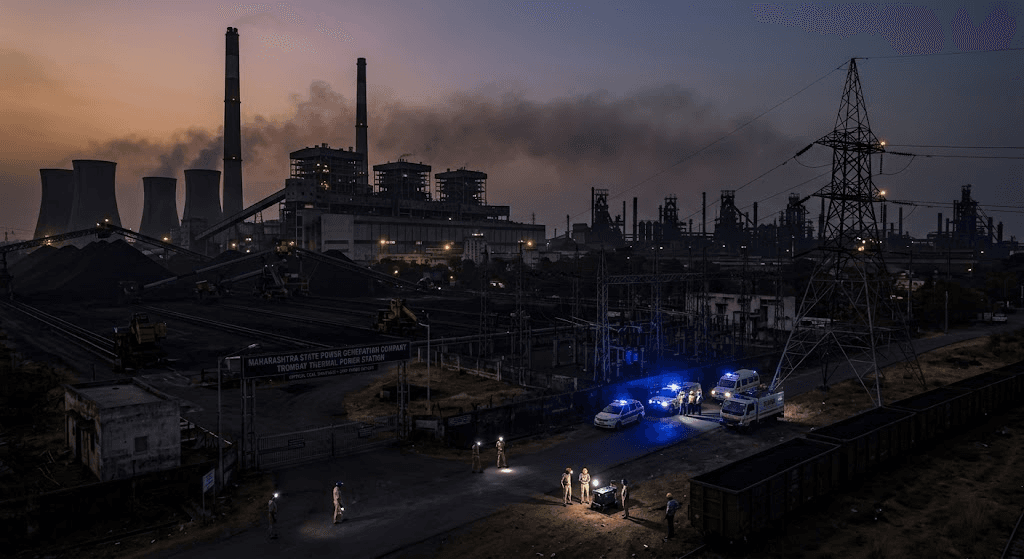
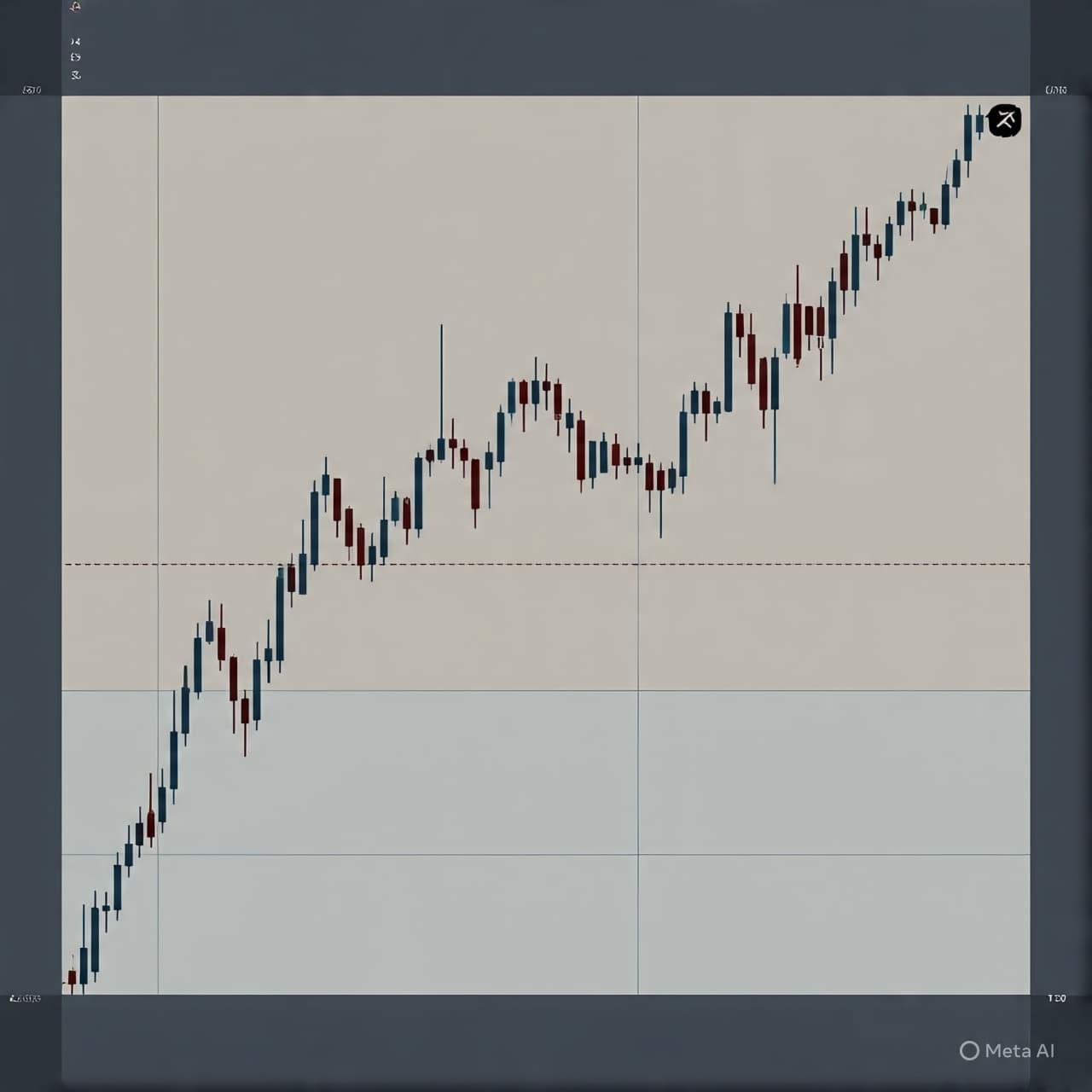
AI Image Disclaimer (Rotated) Graphics are AI-generated and intended for representation, not reality.
Sources (Media Names Only) Reuters Bloomberg News Financial Times The Wall Street Journal CNBC
Published by Banx Network. This article is part of the Banx decentralized media programme, powered by the BXE token on the XRP Ledger.