A year is a long time to wait for a promise to be kept. For the people of Gaza, the past twelve months have been measured not in the easing of a siege but in the slow accumulation of losses—children killed, homes reduced to rubble, hospitals that no longer function as hospitals, families living in tents that offer little shelter from the coming winter. The ceasefire agreement signed a year ago was meant to be a beginning. Instead, more than one hundred humanitarian organizations now describe it as something that exists only on paper .
The numbers are stark. In the year since the ceasefire was announced, Israeli strikes, shootings, and military operations have killed more than 1,400 Palestinians, including at least 324 children . Save the Children CEO Inger Ashing put it plainly: “Since the ceasefire was announced, nearly one child has been killed every day” . Families and rescue workers have recovered hundreds of bodies from the rubble, often using only their hands because Israeli authorities restrict the entry of machinery needed to reach them .
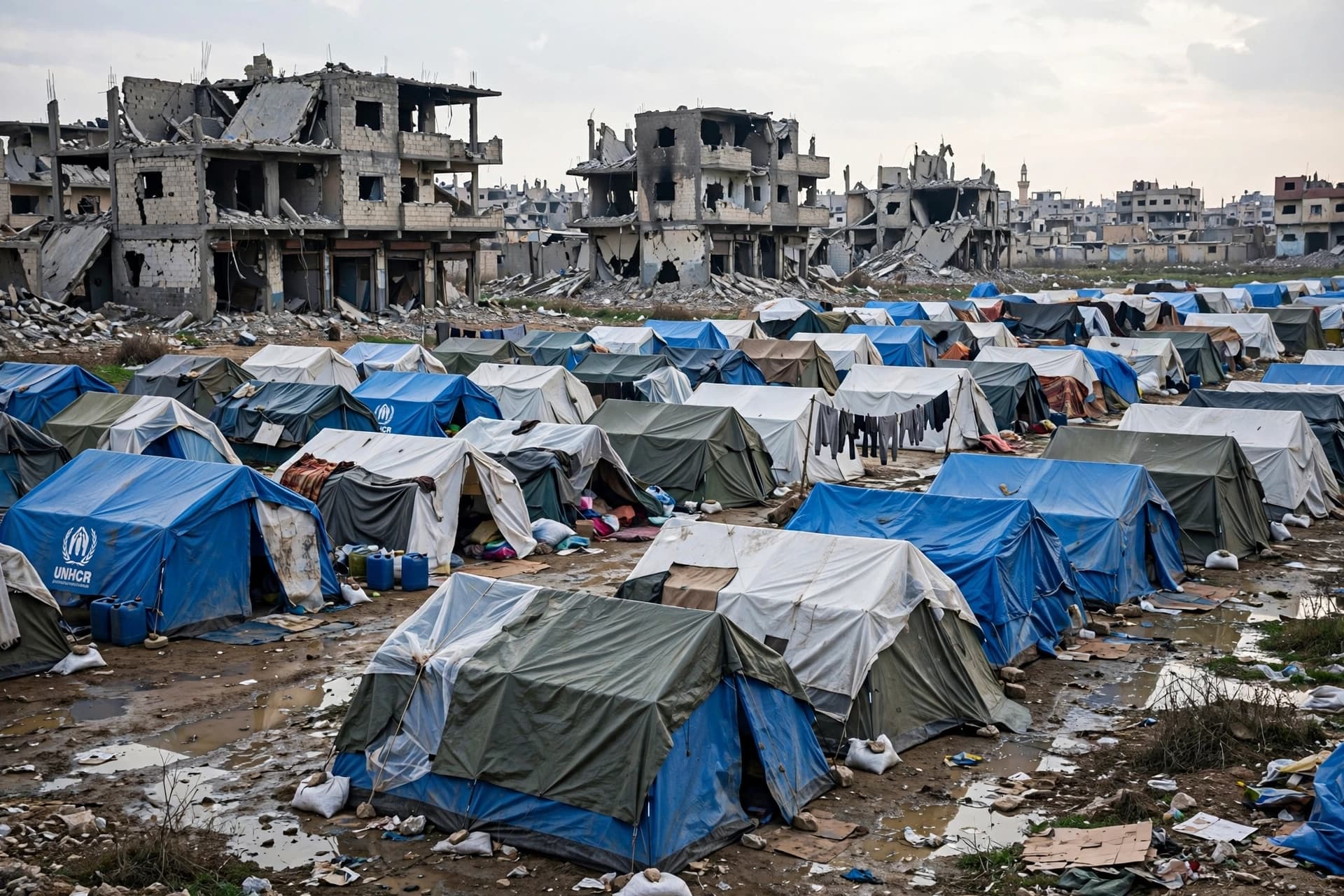
The agreement’s geographic terms have also shifted. The Israeli military has moved the so-called Yellow Line deeper into Gaza, beyond the withdrawal line established in the ceasefire, squeezing Palestinians into an increasingly small and overcrowded area . Satellite imagery shows more than 80 percent of structures across Gaza damaged, with roughly two-thirds destroyed .
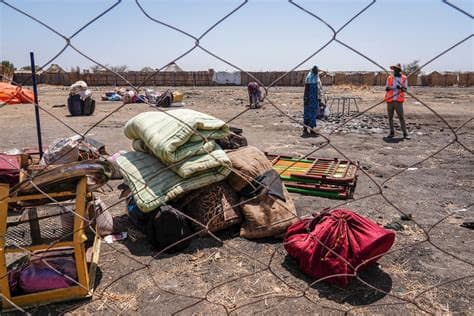
Winter approaches, and hundreds of thousands of families still live in tents, makeshift shelters, or damaged buildings at risk of collapse. In September, 21 people—including 12 children—were killed when a damaged building in Gaza City collapsed . Nearly one in four households is now headed by a woman, and these families are far more likely to live in unsafe or inadequate shelter .
Essential services have been devastated. Not one of Gaza’s 36 hospitals is fully functioning, while medicines, equipment, and fuel remain critically scarce . More than 18,500 patients, including at least 4,000 children, need medical evacuation, and over 1,000 have died waiting . Meanwhile, 1.4 million people face crisis-level hunger or worse through the end of the year .
Jan Egeland, secretary general of the Norwegian Refugee Council, called the situation “utterly shameful,” noting that families are forced to choose between “sheltering in damaged and dangerous buildings or living in tents facing unbearable temperatures” . The organizations urged governments to halt the killings, ensure unhindered aid access, and support reconstruction and accountability .
The ceasefire exists on paper. On the ground, the suffering continues.
AI Image Disclaimer: All images associated with this report are AI-generated and intended for illustrative purposes only, not as documentary records.
Sources: Amnesty International, Anadolu Ajansı, ReliefWeb
Published by Banx Network. This article is part of the Banx decentralized media programme, powered by the BXE token on the XRP Ledger.