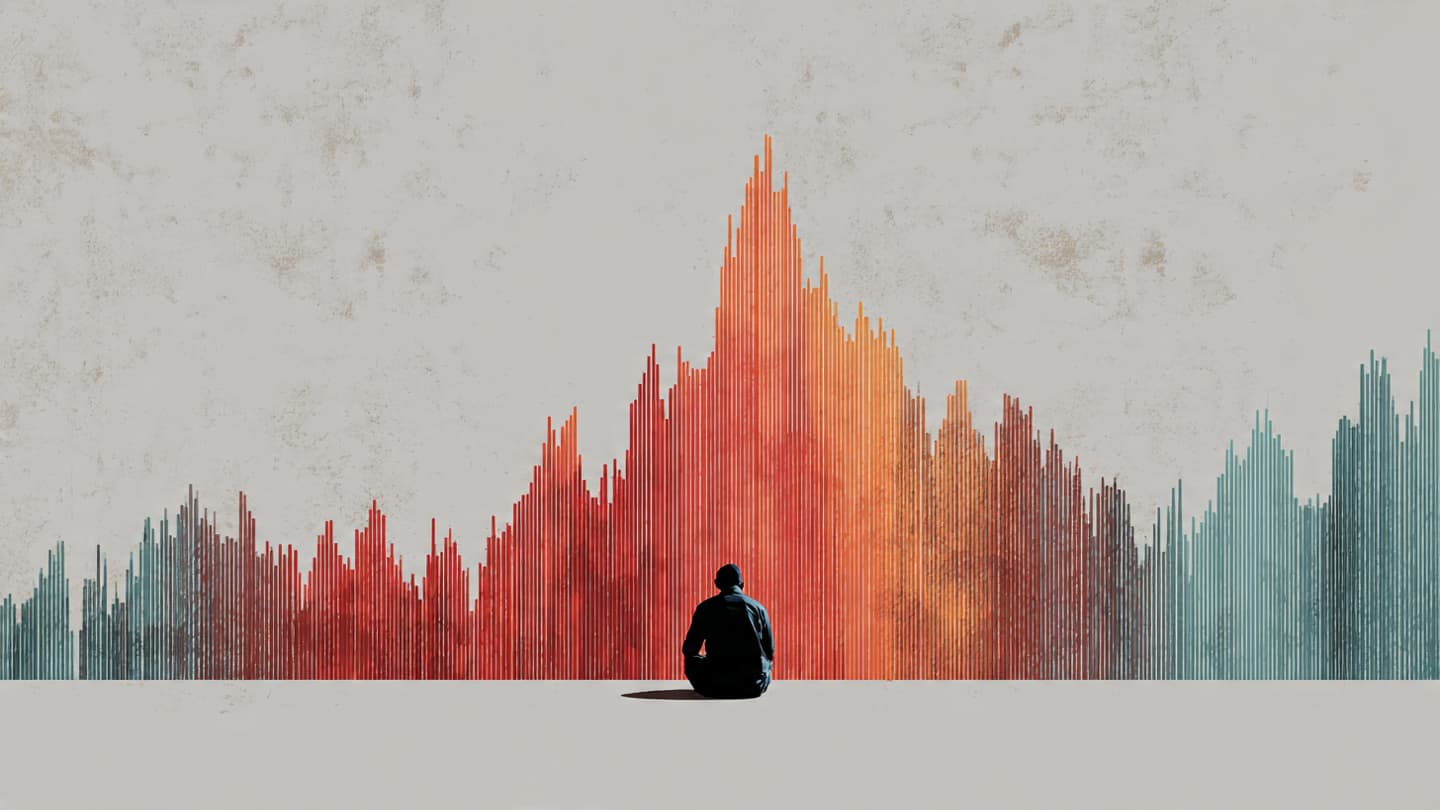
Prosperity, in its simplest form, is often imagined as a rising line—income climbing, opportunities expanding, comfort spreading wider across society. Yet beneath that upward curve, something quieter can unfold, something less visible but deeply felt. In recent years, a growing number of economists have begun to describe a paradox: a nation that became wealthier, yet somehow more burdened. The year 2020 stands at the center of this reflection, not merely as a marker of disruption but as a fracture point. According to leading economic voices, the pandemic did more than reshape markets and labor—it altered the emotional and social fabric in ways that remain unresolved. On paper, the United States experienced significant economic recovery in the years that followed. Wealth surged in certain sectors, stock markets rebounded, and technological innovation accelerated. Yet alongside these gains came a quieter trend: rising reports of loneliness, anxiety, and dissatisfaction. Economists studying this phenomenon point to a disconnect between material wealth and lived experience. While financial indicators improved, many individuals found themselves grappling with instability—job uncertainty, shifting work environments, and weakened social ties. The traditional link between prosperity and well-being appeared to loosen. Remote work, for instance, offered flexibility but also introduced isolation. Communities that once formed around workplaces became more fragmented. Daily interactions—small, often overlooked—began to fade, leaving behind a sense of distance that numbers alone cannot capture. At the same time, inequality became more pronounced. While some households accumulated wealth through investments and asset appreciation, others faced rising costs and limited access to opportunities. This uneven recovery contributed to a broader sense of imbalance. The economist’s argument suggests that 2020 did not simply create new challenges; it amplified existing ones. Structural issues—healthcare access, economic disparity, and social fragmentation—were brought into sharper focus, making them harder to ignore yet no easier to resolve. There is also the question of expectations. As wealth increases, so too can the standards by which people measure their lives. When reality falls short of those expectations, dissatisfaction can grow—even in the presence of material comfort. Still, the narrative is not one of inevitability. Recognizing the gap between economic growth and emotional well-being opens the door to rethinking policy, community, and the meaning of progress itself. It suggests that recovery is not solely about numbers, but about restoring balance in less tangible ways. As the conversation continues, one thing becomes clear: prosperity alone does not guarantee contentment. And in the years since 2020, the challenge has been not just to rebuild economies, but to understand what may have quietly unraveled along the way.
Published by Banx Network. This article is part of the Banx decentralized media programme, powered by the BXE token on the XRP Ledger.