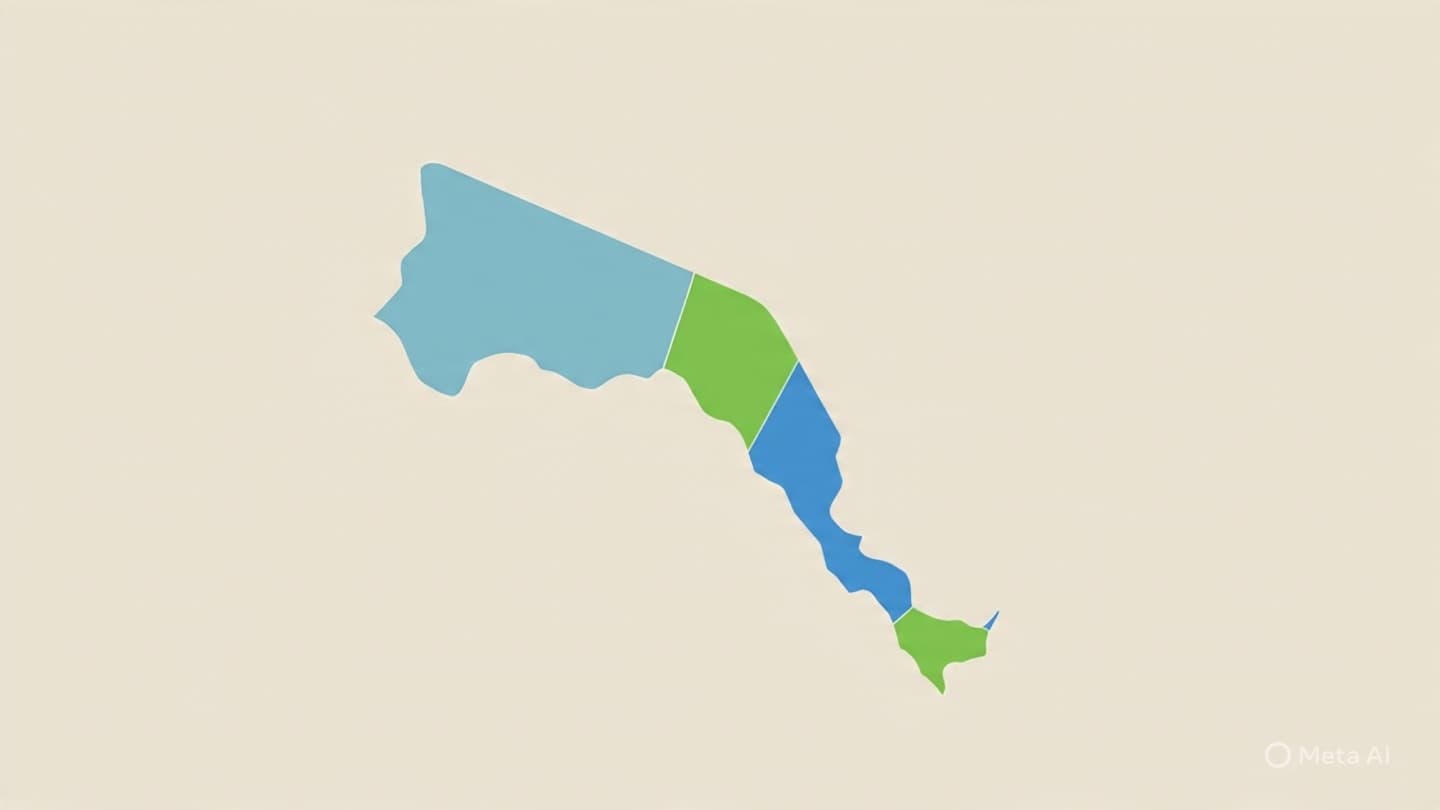
Maps often appear still and orderly, presenting the world in defined lines and steady colors. Yet, when warnings begin to spread across them—small markers turning into clusters—they tell a different kind of story. In the United Kingdom, recent days have seen such a transformation, as flood alerts and warnings appear in growing numbers across regions.
The increase in alerts is tied to persistent rainfall, a familiar feature of the UK climate that has recently taken on greater intensity. Rivers swell gradually, sometimes without immediate alarm, before reaching levels that require action. Authorities have issued dozens of warnings, urging communities to remain attentive to conditions that can change quietly but quickly.
Behind each warning lies a system designed to interpret data and translate it into guidance. Meteorological agencies track rainfall, river flow, and soil saturation, forming a network of observation that informs decision-making. When thresholds are crossed, alerts are issued—not as declarations of crisis, but as invitations to prepare.
Communities have adapted to this process with a mix of routine and resilience. Preventive measures such as temporary barriers and drainage management become part of a broader response strategy. Yet, the increasing frequency of such measures suggests a shift that goes beyond isolated weather events.
Experts continue to study patterns that indicate more sustained periods of rainfall and heightened flood risk. While each event stands on its own, together they contribute to an evolving understanding of environmental change and its local impacts.
Authorities have stated that monitoring will continue, with updates provided as conditions develop. For now, the warnings remain active in several areas, serving as both precaution and reminder of nature’s steady influence.
AI Image Disclaimer Images in this article are AI-generated illustrations, meant for concept only.
Sources: BBC News Reuters The Guardian Sky News Met Office
Published by Banx Network. This article is part of the Banx decentralized media programme, powered by the BXE token on the XRP Ledger.