Some warnings arrive not with sirens, but with quiet reminders about water, air, and the unseen parts of daily life. In North Carolina, health officials are asking residents to pay attention to something rarely visible but medically serious.
The North Carolina Department of Health and Human Services has issued guidance after a rise in Legionnaires’ disease cases. The agency reported 310 cases in 2025, up from 201 in 2024.
Legionnaires’ disease is a severe form of pneumonia caused by Legionella bacteria. These organisms can grow in poorly maintained water systems such as cooling towers, hot tubs, decorative fountains, and hot water tanks.
Unlike illnesses spread directly from person to person, this disease is usually linked to inhaling contaminated water droplets. That distinction makes maintenance, inspection, and prevention especially important.
Officials encouraged building owners, facility managers, and healthcare providers to remain alert. Regular cleaning, temperature control, and water management plans are among the most common protective measures.
Older adults, smokers, and people with weakened immune systems often face higher risk of severe illness. Early diagnosis and treatment can significantly improve outcomes.
The increase in reported cases also mirrors broader patterns seen in other regions, where aging infrastructure, warmer temperatures, and complex water systems have added public health challenges.
For residents, the message is measured rather than alarming: awareness matters, symptoms should be recognized, and prevention is practical.
In closing, North Carolina health authorities are urging stronger water-system safeguards and public awareness after a notable rise in Legionnaires’ disease cases statewide.
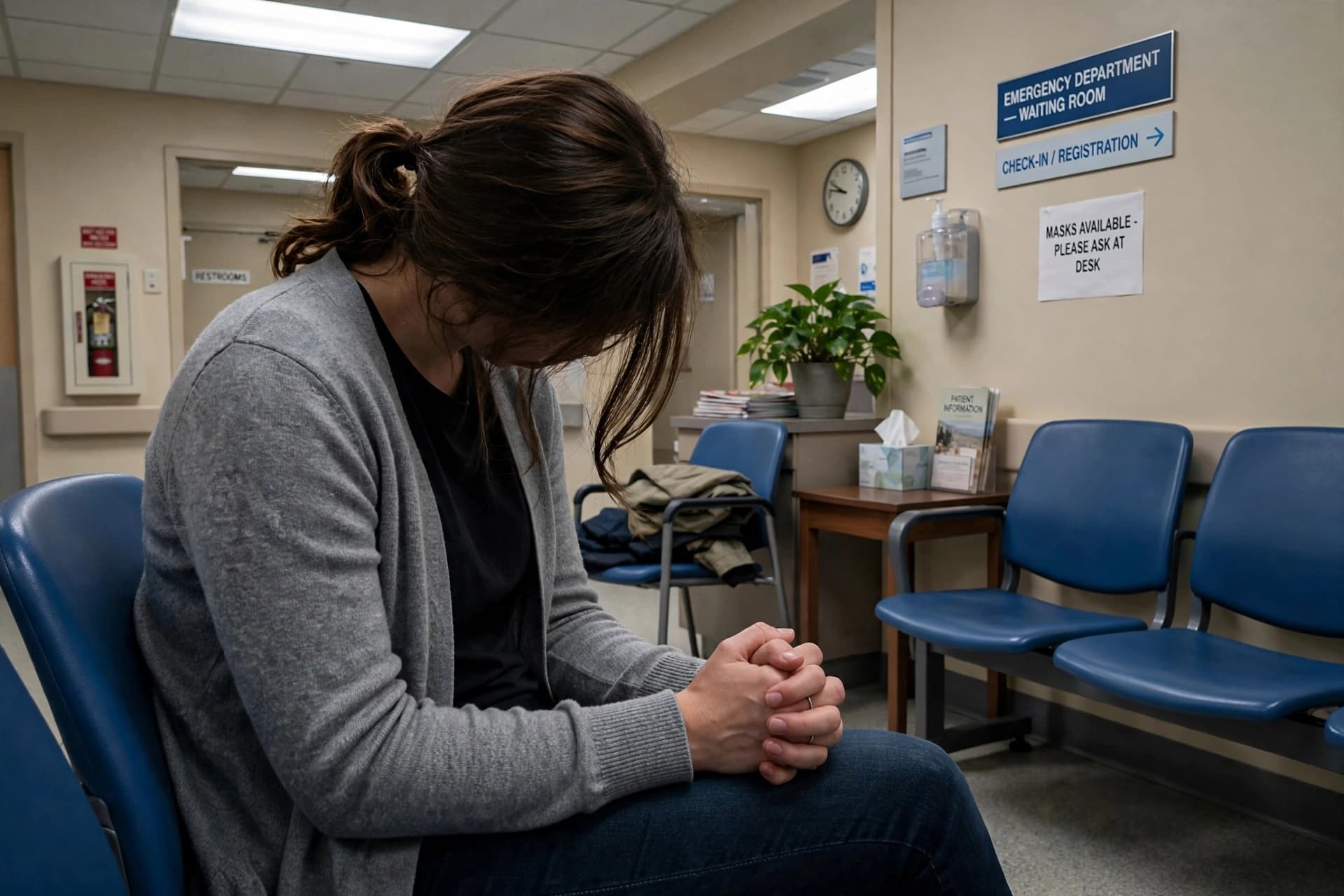
AI Image Disclaimer Some supporting images are AI-generated visual interpretations for informational use.
Sources North Carolina Department of Health and Human Services, public health advisories, regional media
Published by Banx Network. This article is part of the Banx decentralized media programme, powered by the BXE token on the XRP Ledger.

.jpg&w=3840&q=75 "Qantas Grounds Plane After Passengers Report Bedbug Bites")