Diplomacy often advances through measured words, while conflict tends to speak in sharper tones. During periods of heightened tension, official statements become more than political messages—they offer clues about the direction of events and the willingness of governments to either escalate or seek a path back to negotiation. In the Middle East, that balance remains increasingly fragile.
Iran's Supreme Leader Mojtaba Khamenei has issued a new written statement warning that the United States would face "unforgettable lessons" if it continues military attacks against Iran. The statement follows another day of intensified fighting between the two countries, with Tehran accusing Washington of violating a recent memorandum of understanding intended to reduce hostilities.
In the statement, Khamenei argued that repeated U.S. actions had demonstrated that commitments made by Washington could no longer be trusted. He described previous agreements as having lost credibility and said Iran and the broader "resistance front" would continue responding if military operations persist. Iranian officials have framed the conflict as a matter of national defense and sovereignty.
The warning comes as fighting between the United States and Iran has expanded beyond direct strikes inside Iran. Recent days have seen attacks involving U.S. military facilities and allied countries across the Gulf region, while the United States has continued air operations targeting Iranian military infrastructure. Both governments accuse the other of escalating the conflict and undermining earlier diplomatic understandings.
The Strait of Hormuz remains at the center of the confrontation. The strategic waterway carries a significant share of global oil and liquefied natural gas shipments, making any disruption a matter of international concern. Military operations and security threats around the strait have already affected commercial shipping and increased uncertainty for global energy markets.
Despite the increasingly forceful rhetoric, diplomatic channels have not been completely abandoned. International mediators and regional governments continue encouraging renewed negotiations in hopes of preventing the conflict from widening further. Analysts note that both military actions and official statements are likely to influence the prospects for future diplomatic engagement.
International organizations and several governments have continued calling for restraint, warning that further escalation could have humanitarian, economic, and security consequences extending well beyond the immediate region. Civilian populations, commercial shipping, and regional infrastructure remain particularly vulnerable as military operations continue.
While the latest statement underscores Iran's determination to respond to continued attacks, the broader situation remains fluid. As military operations and diplomatic efforts unfold simultaneously, attention remains focused on whether future developments will create opportunities for renewed dialogue or contribute to a further escalation of one of the region's most consequential security crises.
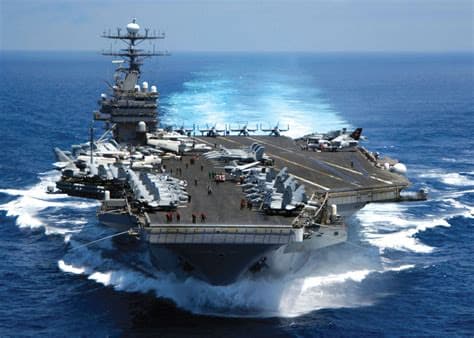
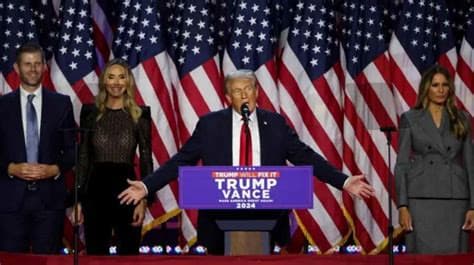
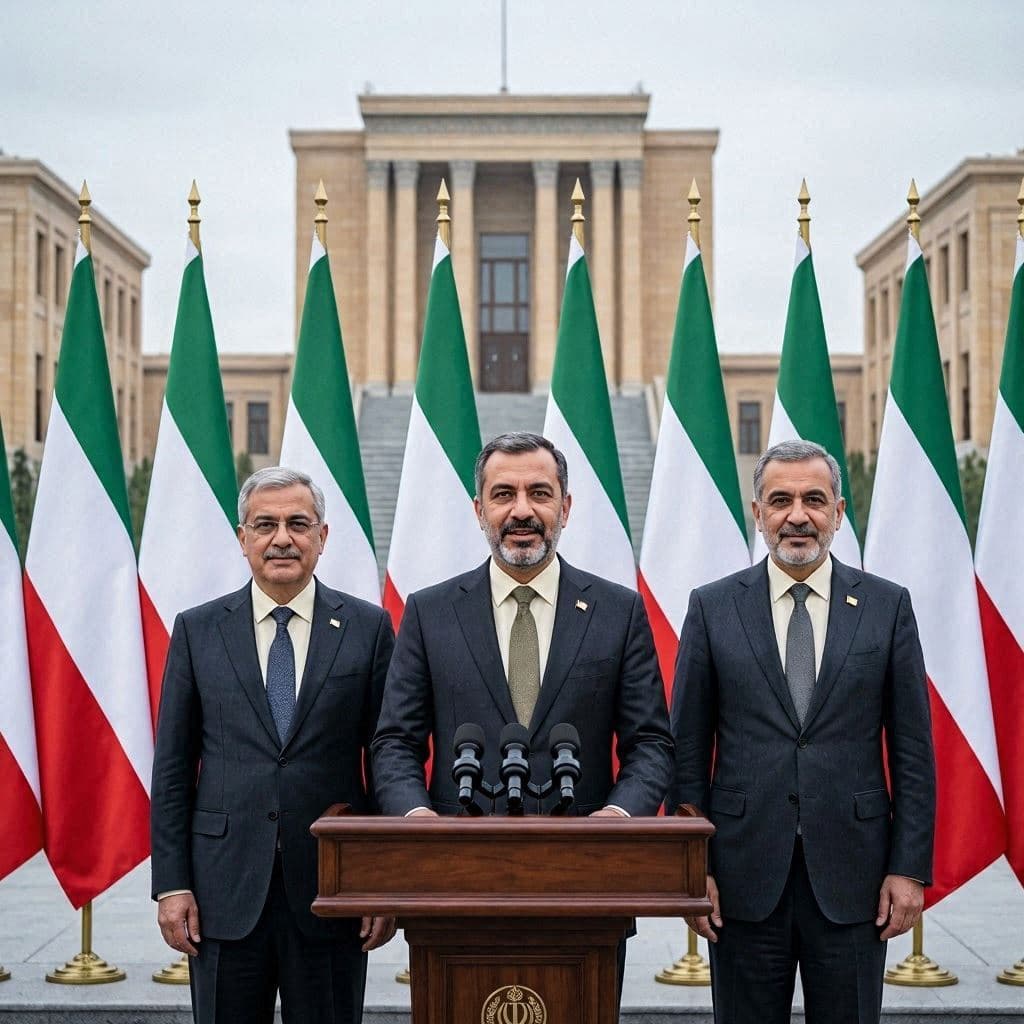
AI Image Disclaimer: The accompanying images are AI-generated illustrations based on verified news reporting and are intended solely to visualize the events described.
Source Verification Check: Verified
Sources: Reuters, Associated Press, Axios, The Guardian, Al Jazeera
Published by Banx Network. This article is part of the Banx decentralized media programme, powered by the BXE token on the XRP Ledger.

.jpg&w=3840&q=75 "Sally Rooney’s Books to Be Withdrawn From UK Sale Over Palestine Action Support")