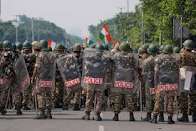
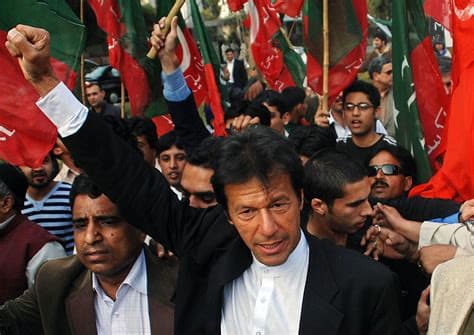
In the West African nation of Guinea, the sun sets over a landscape rich in mineral wealth and older rhythms of village life even as a new political dawn appears poised to reshape its future. On 28 December 2025, citizens cast ballots in what is being hailed by authorities as a step toward constitutional order—the country’s first presidential election since a military coup in 2021. Yet as results began to trickle in, the lead of the junta chief, General Mamady Doumbouya, has stirred debate, dissent, and concerns over how power is being consolidated in a land still healing from abrupt change.
Once a special forces commander, Doumbouya seized power four years ago, promising a swift return to civilian rule. Many Guineans remember his pledge not to stand for election, a statement he later abandoned after a new constitution was approved in September that extended presidential terms and allowed military leaders to run. Critics view this shift as symbolic of a deeper transformation—one that tightens the grip of those who once claimed they would relinquish it.
In partial results released shortly after polling concluded, Doumbouya emerged with a commanding lead, reportedly securing large majorities in key districts of the capital, Conakry, and across several regions. But these figures arrived against a backdrop of restrictions on social media platforms such as TikTok, YouTube and Facebook, which were reportedly disrupted by major providers in the days after voting. Observers and critics suggest the move was aimed at limiting the spread of information and curtailing real-time discussion as provisional results were tallied.
For civil society groups and opposition voices, the election’s context casts a long shadow. Several major opposition parties were barred from contesting, while prominent political figures remain in exile, imprisoned, or otherwise sidelined from the race. Some opposition coalitions have denounced the process as little more than a “charade” to validate continued rule by the very leadership that seized power.
Human rights advocates and international observers have also noted a broader climate of repression during the campaign period. According to the United Nations rights office, the election season was marked by intimidation of opposition actors, restrictions on media freedoms, and a political space that many say was far from open or competitive. Such conditions, they warn, risk undermining the credibility of any electoral outcome, even if it is carried out in an orderly fashion.
Yet amid political tension, many ordinary Guineans are guided by more immediate concerns—economic opportunity, security, and the hope that national resources, from bauxite to iron ore, will translate into tangible improvement in daily life. Doumbouya has drawn support from segments of the population, particularly younger voters who see in him a break with past elites and a vision for progress, even as others fear the consolidation of power will eclipse democratic gains.
As Guinea awaits final, official results, tensions and reflections mix in equal measure. For some, the election represents an overdue moment to forge a new path. For others, it is a reminder that the journey toward stable, inclusive governance remains a work in progress—one shaped as much by the laws on the books as by the voices they allow to be heard.
AI Image Disclaimer “Visuals are created with AI tools and are not real photographs.”
Sources
• Reuters
• The Guardian
• BBC News
• AllAfrica (United Nations rights statement)
Published by Banx Network. This article is part of the Banx decentralized media programme, powered by the BXE token on the XRP Ledger.