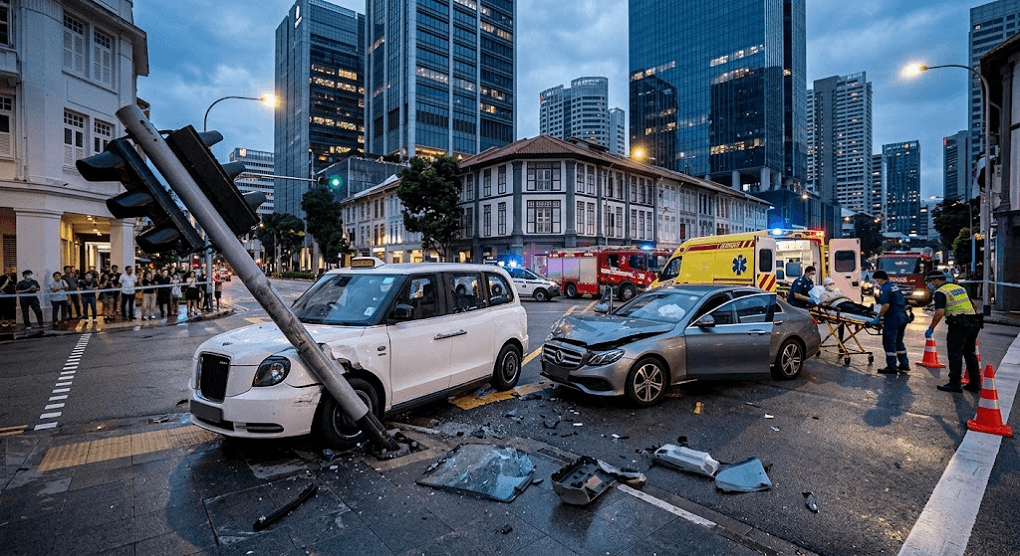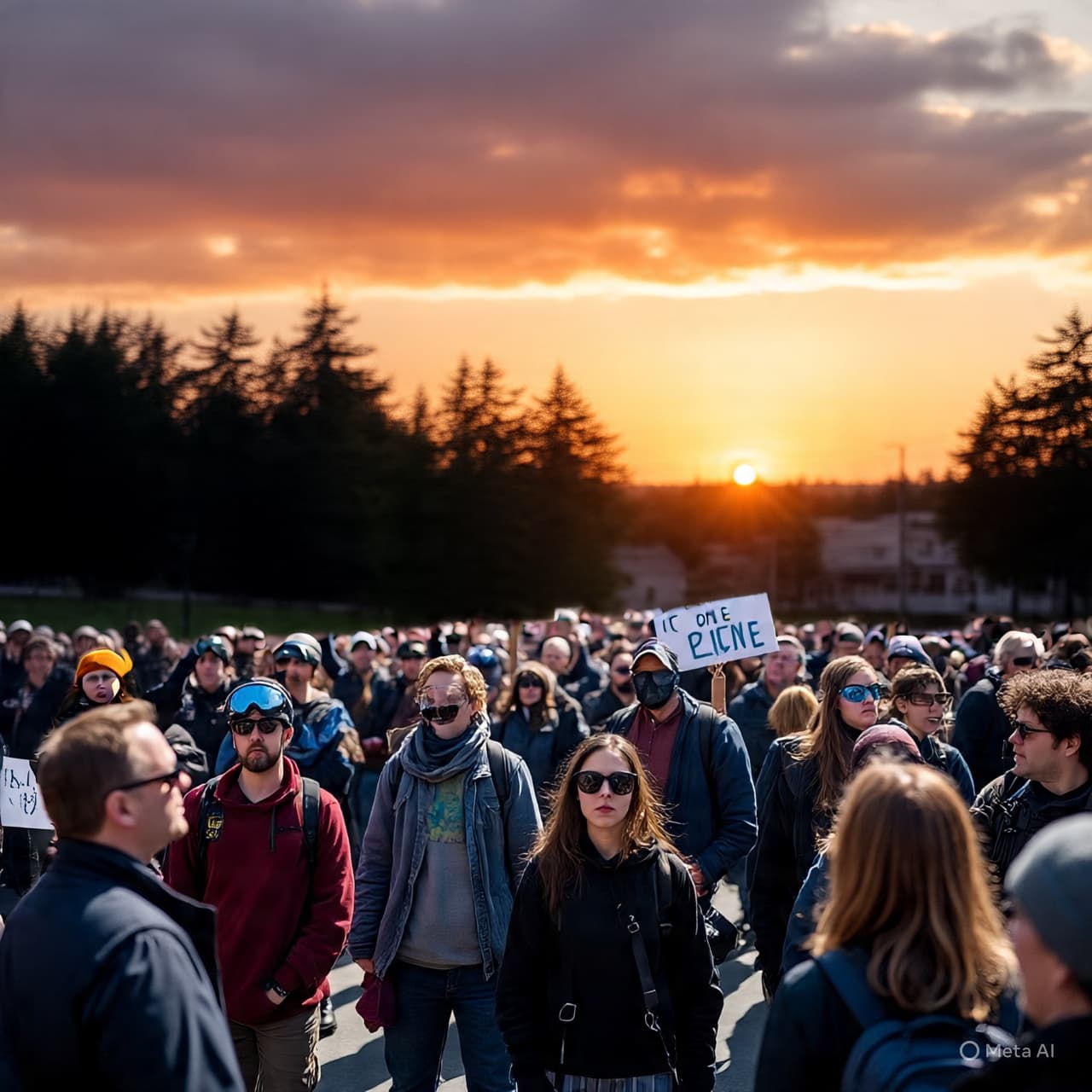
There are moments when a city breathes in unison—when footsteps echo not as noise, but as intention. In Los Angeles, a place long accustomed to both dreams and dissent, the streets once again became a canvas of voices. What began as a chorus of conviction under the banner of the “No Kings” movement slowly shifted, like a calm sea unsettled by an unseen current.
Earlier in the day, the atmosphere carried a different texture—one woven with placards, chants, and the quiet insistence of civic participation. Thousands gathered, walking together through downtown corridors, expressing concern over governance, rights, and the direction of a nation. The movement itself, stretching far beyond one city, has drawn millions across the United States and even beyond, reflecting a broader unease with political power and its boundaries.
But as daylight softened into evening, the tone in parts of the city began to change. Near federal buildings and detention centers—spaces already heavy with political symbolism—tensions thickened. Authorities reported that some individuals in the crowd began throwing objects, including bottles and debris. In response, police issued dispersal orders, signaling a shift from assembly to enforcement.
What followed unfolded quickly, almost like a sudden storm. Officers deployed tear gas and other crowd-control measures, sending plumes into the air and dispersing clusters of demonstrators. The soundscape transformed—from chants to sirens, from speeches to urgency. Some protesters described confusion, others fear, as visibility blurred and the crowd fractured into smaller, uncertain movements.
Reports indicate that dozens of arrests were made as law enforcement sought to regain control of the area. Officials maintained that such measures were taken in response to escalating risks, while many demonstrators argued that the shift toward force came too swiftly, overshadowing what had largely been a peaceful expression earlier in the day.
This duality—peaceful intent alongside moments of confrontation—has become a familiar rhythm in modern protest landscapes. It raises quiet questions rather than loud conclusions: when does a gathering transform, and who defines that turning point? Is it the actions of a few, the response of authority, or the fragile space in between?
Beyond the immediate scene, the “No Kings” movement continues to ripple outward, connecting local unrest with national discourse. It reflects a broader conversation about governance, identity, and the evolving relationship between citizens and institutions. In that sense, the events in Los Angeles are not isolated—they are part of a larger, unfolding narrative.
As the night settled and the streets gradually cleared, what remained was not only the residue of tear gas in the air, but also the lingering weight of unanswered questions. The city, once again, held both silence and echo—waiting, perhaps, for the next moment when voices will rise, and how they will be heard.
AI Image Disclaimer
Graphics are AI-generated and intended for representation, not reality.
---
Sources
The Guardian
CBS News
Los Angeles Times
The Washington Post
ABC News
Published by Banx Network. This article is part of the Banx decentralized media programme, powered by the BXE token on the XRP Ledger.