In the dense, verdant landscapes of eastern Democratic Republic of Congo, life pulses with resilience against a backdrop of historical challenges. Yet, beneath the canopy, an invisible threat continues to test the strength of local communities and health systems. The Ebola virus, a pathogen known for its severity, has expanded its reach into two additional health zones, bringing the total number of affected areas to sixty. This progression serves as a sobering reminder of the persistent battle against infectious diseases in regions where healthcare infrastructure is often stretched thin.
The confirmation of new cases in these zones highlights the dynamic nature of viral outbreaks. Health officials from the Ministry of Public Health and international partners like the World Health Organization (WHO) are working tirelessly to track transmission chains. The spread to new areas indicates that despite containment efforts, the virus remains active and capable of moving through communities, often facilitated by high population mobility and limited resources.
Responding to this expansion requires a multifaceted approach. Vaccination campaigns, contact tracing, and community engagement are the pillars of the current strategy. Health workers, often operating in difficult conditions, are administering vaccines to those at highest risk and educating locals on safe burial practices and hygiene measures. Their dedication is crucial in slowing the virus’s momentum and protecting vulnerable populations.
The involvement of sixty health zones underscores the scale of the challenge. It is not merely a medical issue but a logistical and social one. Coordinating responses across such a vast and fragmented landscape demands significant funding, personnel, and political will. International donors and NGOs continue to provide essential support, but gaps remain in reaching remote villages where access is limited.
Community trust plays a pivotal role in controlling the outbreak. Historical skepticism toward external interventions can hinder cooperation, making dialogue essential. Local leaders and survivors act as bridges, helping to dispel myths and encourage early reporting of symptoms. When communities feel heard and respected, they become active participants in their own protection.
The human cost of the outbreak is profound. Beyond the immediate health risks, families face stigma and economic disruption. Survivors often require long-term care and psychosocial support to reintegrate into society. Addressing these broader needs is as important as treating the acute phase of the disease, ensuring that recovery is holistic and sustainable.
As the situation evolves, vigilance remains key. Early detection and rapid response are the most effective tools against Ebola. The expansion into new zones is a call to action, urging stakeholders to maintain focus and intensity in their efforts. It is a race against time, driven by science, compassion, and collective responsibility.
Health authorities continue to monitor the situation closely, adapting strategies as new data emerges. The global health community remains committed to supporting Congo in its fight against Ebola, emphasizing the need for sustained attention and resources.
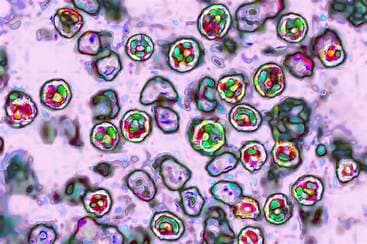
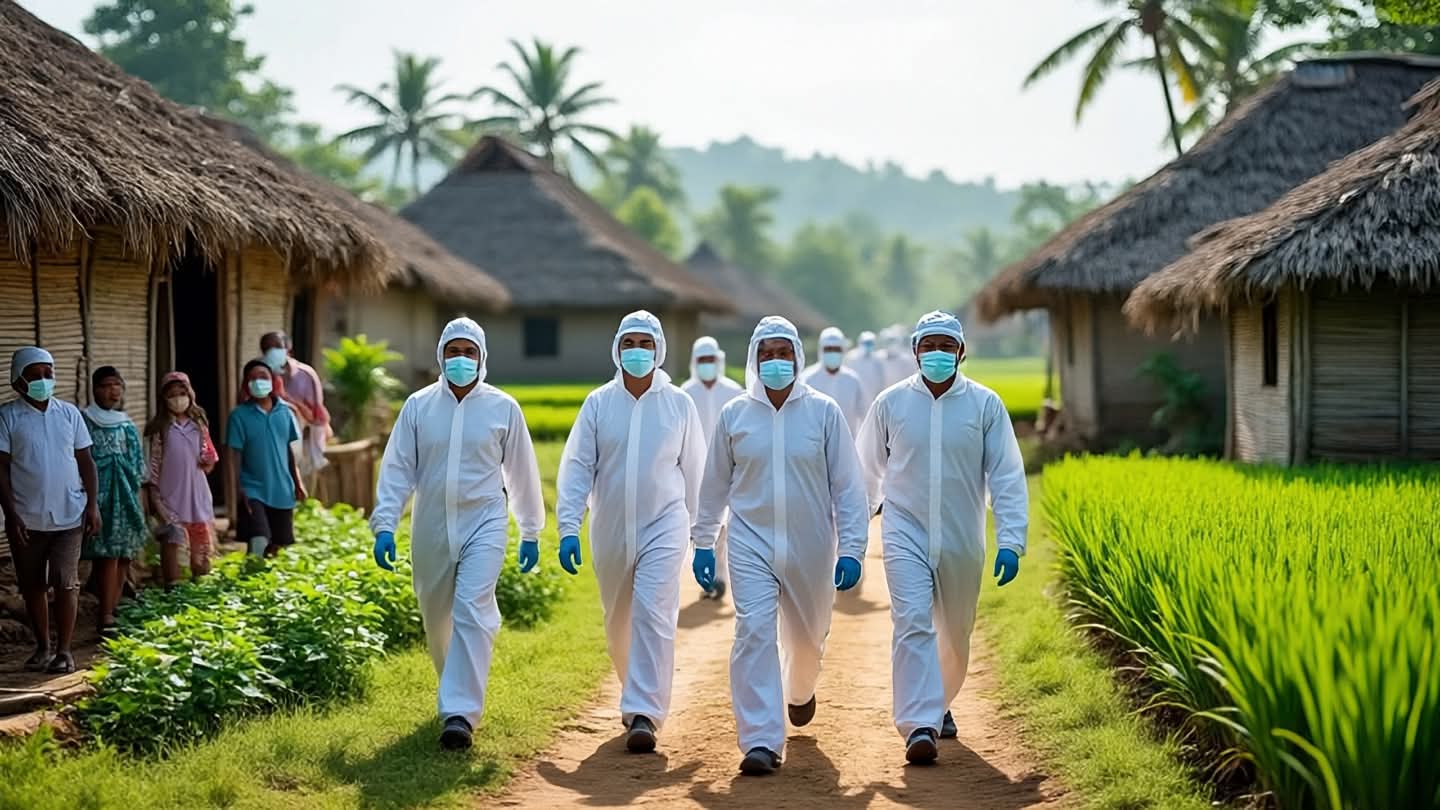
AI Image Disclaimer: Please note that the visual accompaniments for this article are AI-generated illustrations created to reflect the thematic elements of public health, community resilience, and medical response in rural settings.
Sources: World Health Organization (WHO) Reuters Associated Press BBC News Ministry of Public Health, DRC
Published by Banx Network. This article is part of the Banx decentralized media programme, powered by the BXE token on the XRP Ledger.