In the flat light of northern Mississippi, where roads run straight and the horizon feels deliberately unbroken, large decisions often arrive quietly. They come not with ceremony, but with paperwork, filings, and measured language that hints at scale without fully revealing its shape. Such is the case in Southaven, where a power plant on the town’s edge has become the focus of renewed attention.
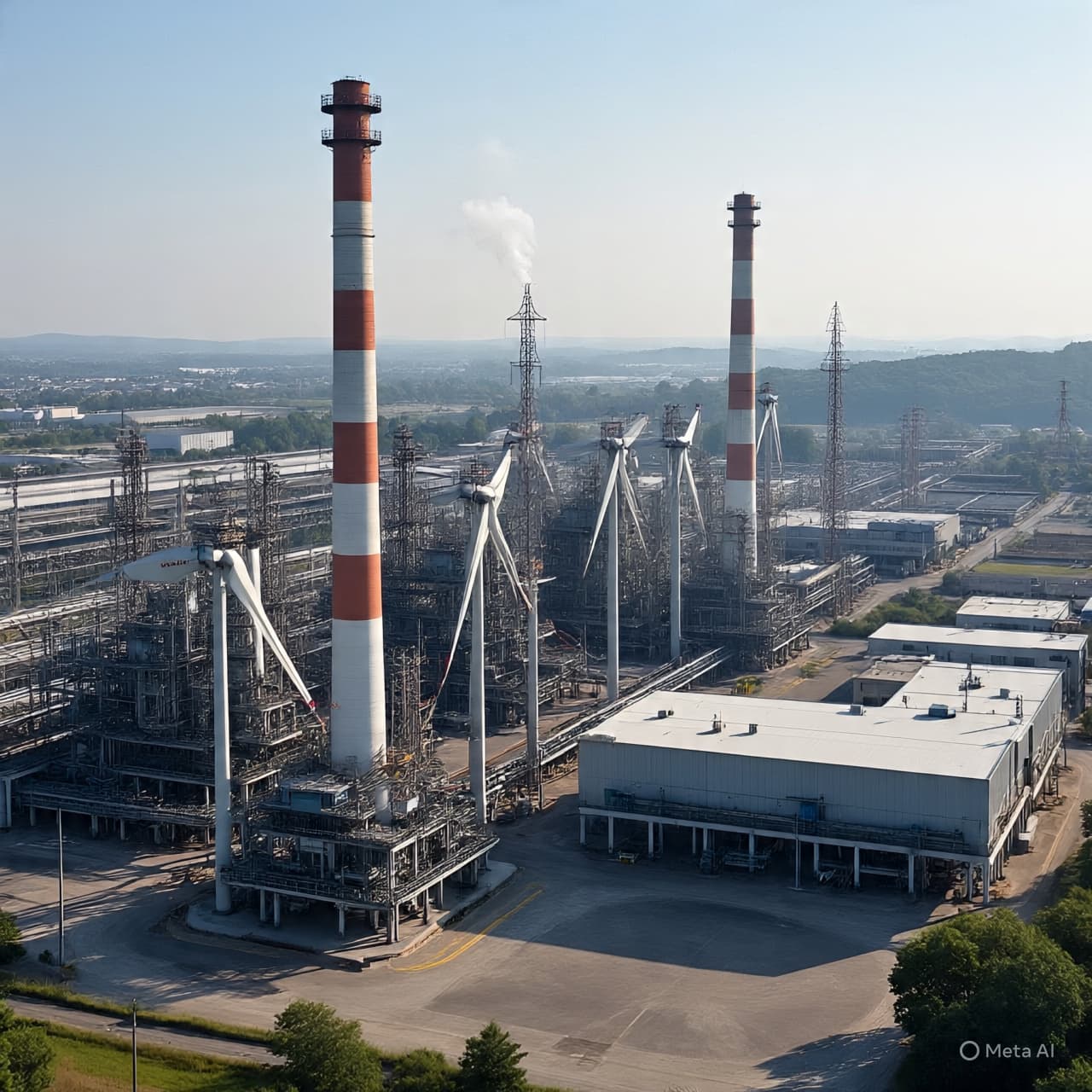
xAI, the artificial intelligence company founded by Elon Musk, has filed an application seeking permission to operate 41 turbines at the Southaven power plant. The request is technical in form, but expansive in implication, touching on questions of energy demand, infrastructure, and the growing physical footprint of artificial intelligence. Turbines, after all, are not abstract tools. They occupy space, draw fuel, emit heat and sound, and bind local landscapes to global systems of computation.
The filing reflects the immense power needs associated with advanced AI data centers, which require steady, high-volume electricity to train and operate large models. As companies race to build capacity, energy sources that can deliver reliability at scale—often natural gas—have moved to the foreground. In Southaven, the existing plant offers proximity, capacity, and a connection to regional grids that make it a practical site for such ambitions.
Local regulators are now tasked with reviewing the application, weighing environmental considerations, emissions limits, and operational safeguards. For residents, the turbines represent both continuity and change. Power plants are not new here, but the purpose they serve is shifting, tethered less to homes and factories and more to distant servers processing vast streams of data. The hum of machinery becomes part of a larger, less visible network.
Supporters point to economic activity, tax revenue, and the positioning of the region within a fast-growing technology sector. Others speak more softly of air quality, noise, and the cumulative effects of industrial expansion. These concerns are familiar, recurring whenever energy infrastructure grows to meet new forms of demand.
The application itself does not guarantee approval, nor does it set a firm timeline. It marks a step in a longer process, one that unfolds through hearings, assessments, and revisions. In the meantime, Southaven waits in a familiar posture, balancing the promise of participation in a powerful industry against the practical realities of hosting it.
In straightforward terms, xAI has applied to use 41 turbines at the Southaven power plant as part of its effort to secure sufficient electricity for AI operations, a move that will now undergo regulatory review at the local and state levels.
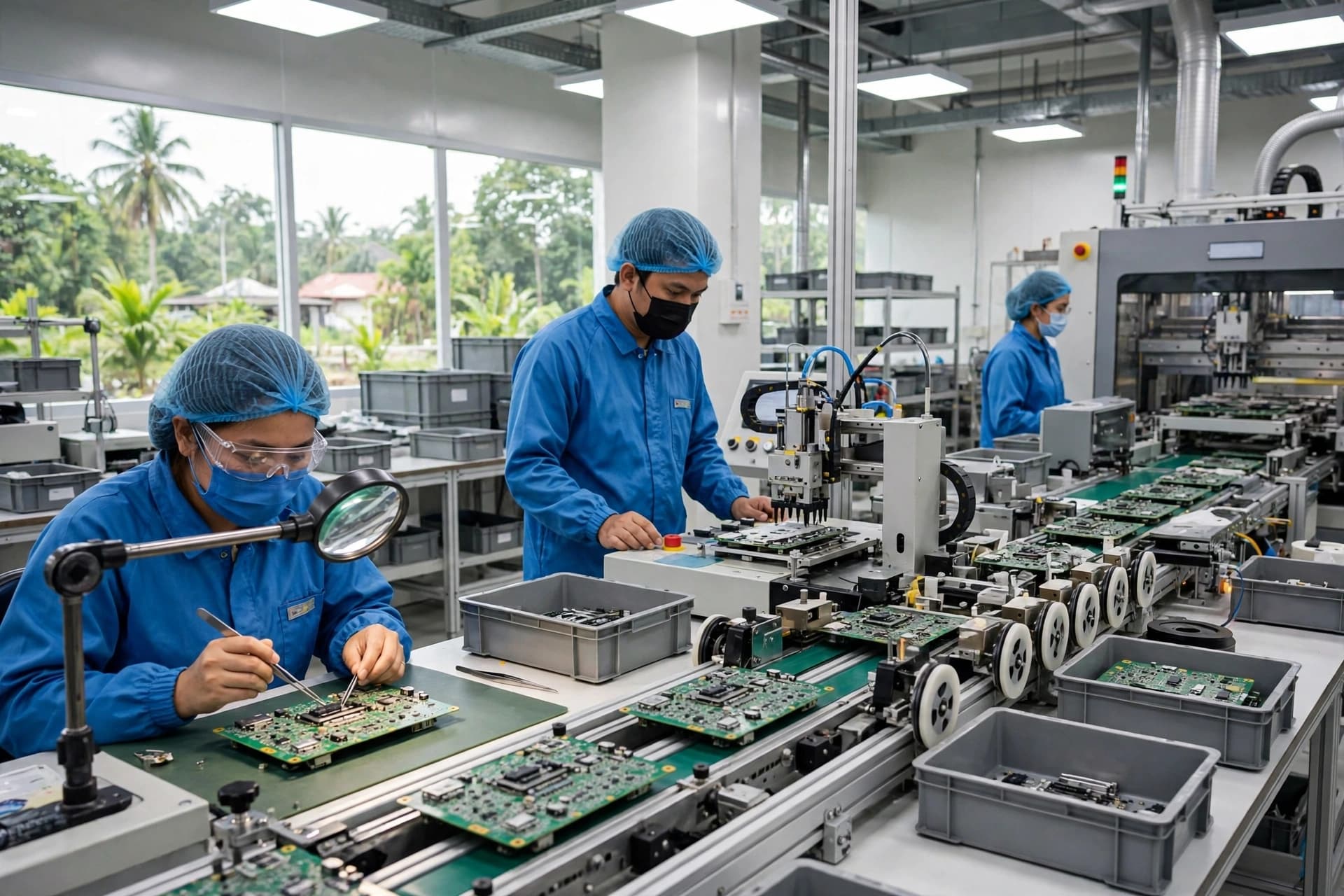
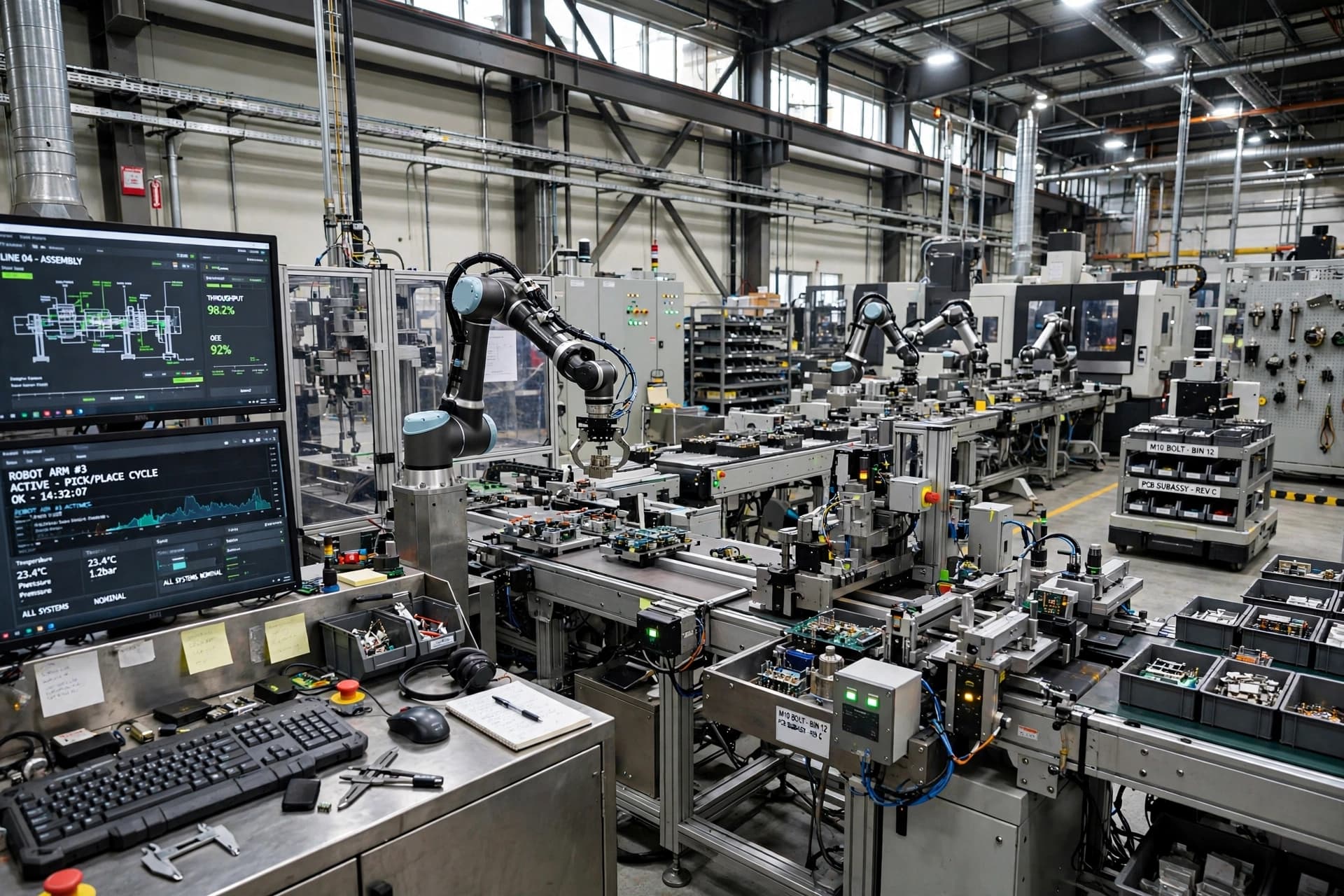
AI Image Disclaimer Visuals are AI-generated and serve as conceptual representations.
Sources (Media Names Only) Reuters Associated Press Bloomberg
Published by Banx Network. This article is part of the Banx decentralized media programme, powered by the BXE token on the XRP Ledger.