There is a particular kind of hope that follows failure—not the naive hope that ignores what went wrong, but the deliberate, patient hope that chooses to try again. For Boeing's Starliner spacecraft, that hope now has a shape: an uncrewed test flight, a new commander, and a timeline that stretches into 2028.
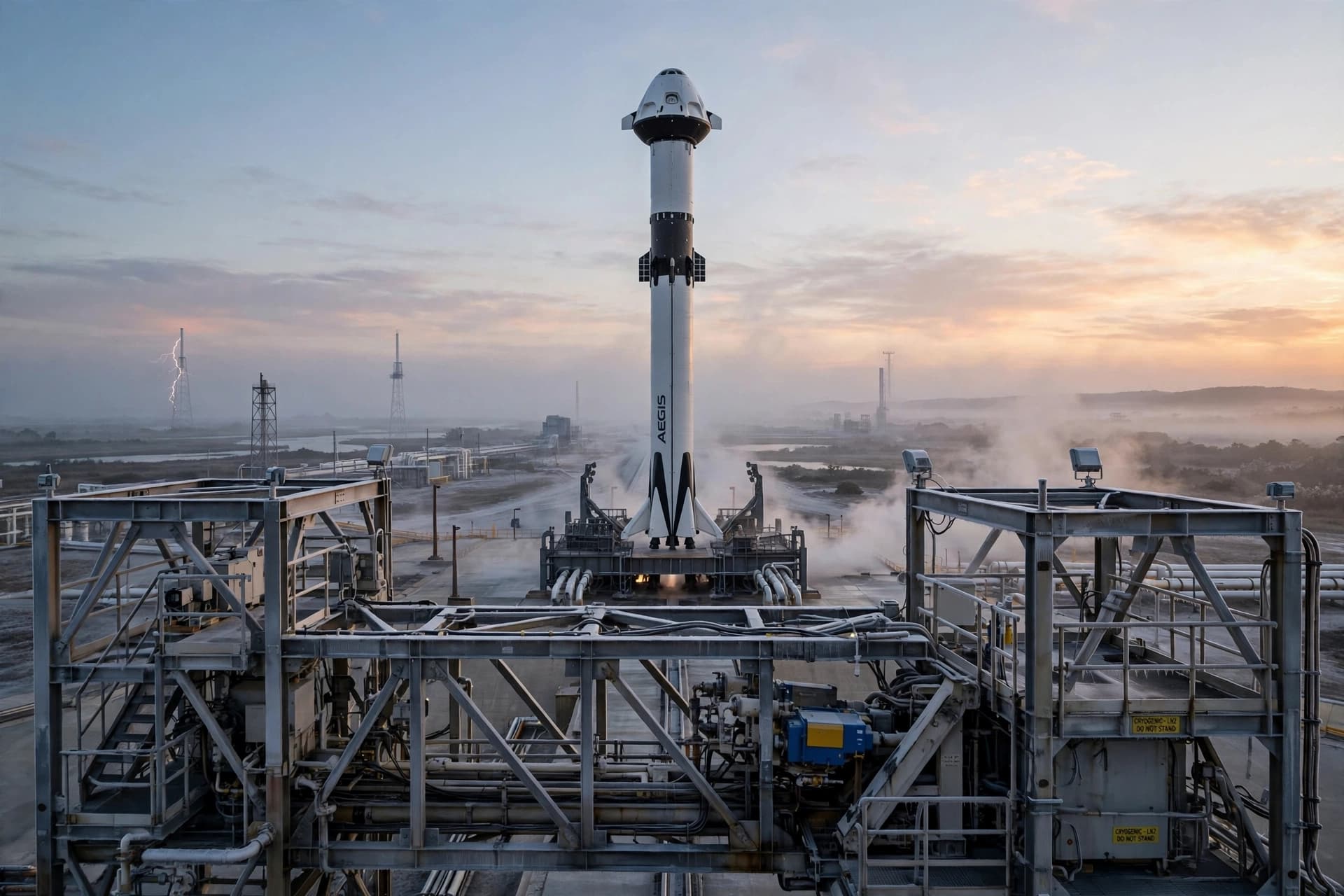
NASA announced Monday that it intends to fly an uncrewed Starliner mission to the International Space Station as soon as December of this year or January 2027, followed by a crewed flight no earlier than 2028. NASA astronaut Woody Hoburg will command that future crewed mission, the first since Starliner's troubled 2024 flight left astronauts Butch Wilmore and Suni Williams aboard the ISS for 286 days .
The path back has been neither simple nor quick. In February, NASA's Program Investigation Team released findings identifying 61 recommendations to address the technical and programmatic issues that led to Starliner's uncrewed return in 2024. The report specifically cited problems with the service module reaction control thrusters operating outside their engineering qualification, resulting in the loss of control experienced during the Crew Flight Test .
Boeing has since made thermal modifications to the service module, which NASA will evaluate on the uncrewed Starliner-1 mission. An additional thruster valve design modification is planned in support of spacecraft certification and future crewed flights .
Hoburg, who spoke at the announcement, was candid about the challenges ahead. "What keeps me up at night is not issues with Starliner's hardware," he said. "It's the underlying pattern. It was inadequate systems engineering and integration, creating gaps in hardware qualification" .
The broader context is one of necessity. NASA has been committed to having multiple crew transportation options since the beginning of the Commercial Crew Program, and currently SpaceX's Crew Dragon is the only operational vehicle ferrying astronauts to and from orbit. The agency's stated plan includes exercising options for a fifth and sixth Starliner flight to the space station and certifying United Launch Alliance's Vulcan rocket for crew transportation after the Atlas V retires .
There is something quietly determined in NASA Administrator Jared Isaacman's framing: "We have worked closely with Boeing to address the issues identified on previous Starliner flights, and we intend to see this vehicle return to flight" . It is not a promise of success, but a commitment to the attempt—and in spaceflight, that distinction matters.
---
AI Image Disclaimer: The images accompanying this article are AI-generated and are for illustrative purposes only.
Sources: NASA, CNN, Scientific American, AIAA, Infobae
Published by Banx Network. This article is part of the Banx decentralized media programme, powered by the BXE token on the XRP Ledger.