In the cool light of a San Francisco morning — before office doors swing open and coffee shops fill with early arrivals — there is a rhythm that defines the venture capital streets. Decisions are shaped in quiet rooms, guided as much by habit as by hope. For decades, one habit held firm: a venture firm chose its champion and stayed faithful, believing clarity of allegiance was both shield and signal. To back rivals was to blur intention, to risk trust, to cross an invisible line.
Lately, that line has begun to soften. Sequoia Capital, a firm whose name is stitched into the early chapters of modern technology, is preparing to invest in Anthropic, the artificial intelligence company behind the Claude model. The move matters less for its scale than for its meaning. Sequoia has already backed other major AI players, including OpenAI and xAI, placing it squarely at the center of a quiet recalibration taking place across Silicon Valley.
Anthropic’s funding effort is among the largest the technology sector has seen, drawing support from sovereign wealth funds, established venture firms, and major technology companies. The valuation implied by the round reflects a belief that foundational AI models are not fleeting experiments but durable infrastructure, likely to shape business, research, and daily life for years to come. In that environment, capital no longer arrives as a single wager, but as a series of overlapping commitments to possibility.
For much of venture capital’s history, backing competitors was considered imprudent. Firms worried about conflicts of interest, divided loyalties, and the subtle flow of information between boardrooms. Yet the artificial intelligence sector has grown faster than those norms were designed to contain. Training costs soar into the billions, customer demand spans continents, and progress unfolds at a pace that resists tidy hierarchies. What once looked like rivalry now appears, at times, like parallel exploration.
Across the industry, founders and investors speak more openly about this shift. Startups increasingly accept that their backers may also support adjacent or competing efforts, while investors frame their role less as kingmakers and more as stewards of an expanding ecosystem. The old language of winners and losers gives way to something looser, more provisional, where multiple approaches may coexist, diverge, and occasionally converge again.
Seen this way, Sequoia’s decision does not feel like a rejection of principle, but an acknowledgment of scale. Artificial intelligence has reached a point where no single company, or investor, can reasonably claim to hold the entire future in one hand. Capital spreads not out of indecision, but out of recognition that innovation now moves along many paths at once.
In practical terms, Sequoia Capital’s participation in a major Anthropic funding round represents a notable departure from traditional venture practice. It reflects a broader industry shift, as investors adapt to an AI landscape defined by immense capital needs, rapid technological change, and an acceptance that backing more than one future may be the most realistic position of all.
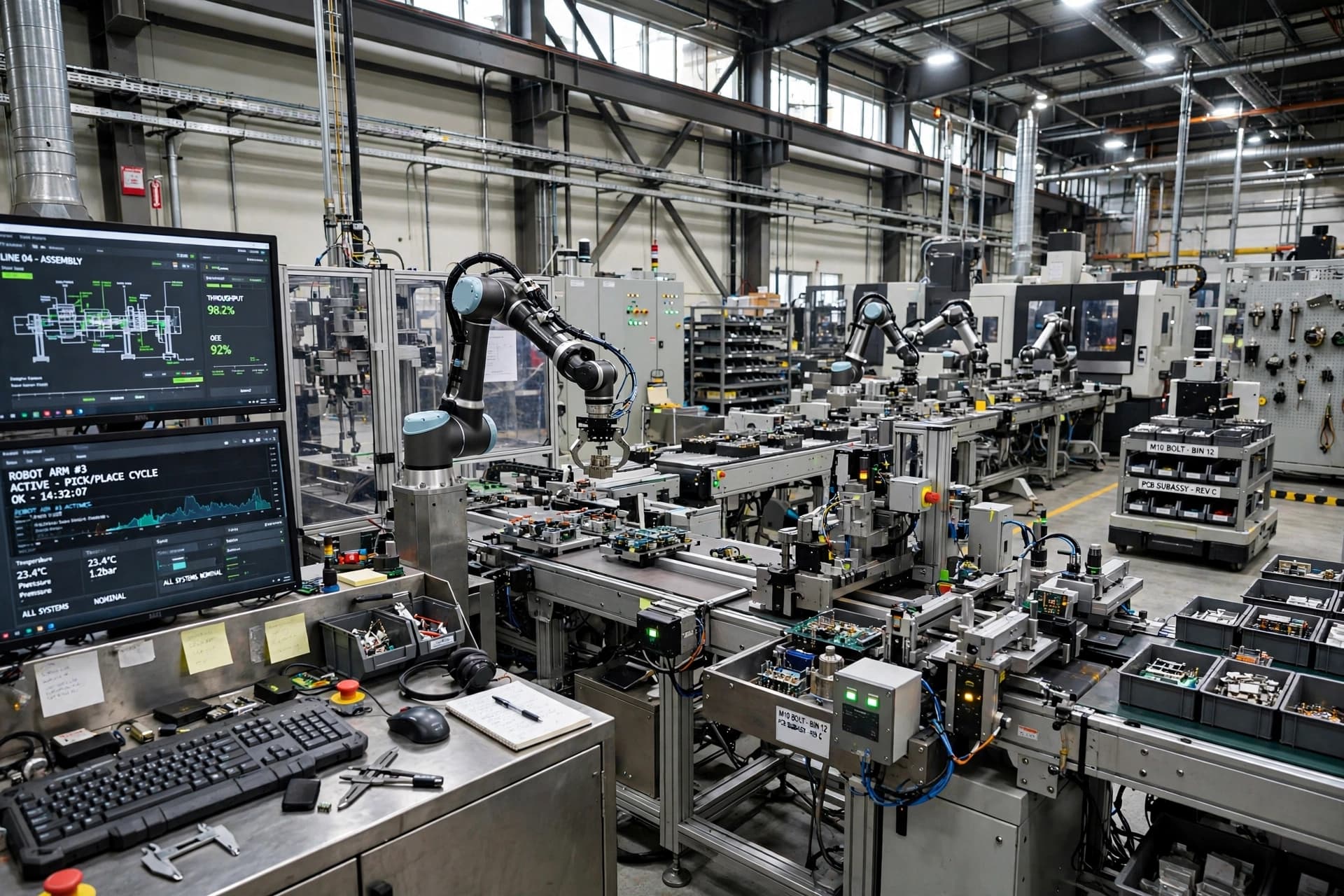
AI Image Disclaimer Illustrations were created using AI tools and are not real photographs.
Sources (Media Names Only) Reuters Financial Times TechCrunch
Published by Banx Network. This article is part of the Banx decentralized media programme, powered by the BXE token on the XRP Ledger.