Global trade often changes quietly before its effects become visible. A revised policy announced in one country can gradually influence factories, shipping routes, investment plans, and commercial relationships thousands of kilometers away. Those subtle shifts are now drawing attention in Indonesia.
Businesses are closely monitoring possible adjustments to United States trade tariff policies affecting several countries. Although the full implementation and scope remain under review, exporters and manufacturers are evaluating how future changes could influence international competitiveness.
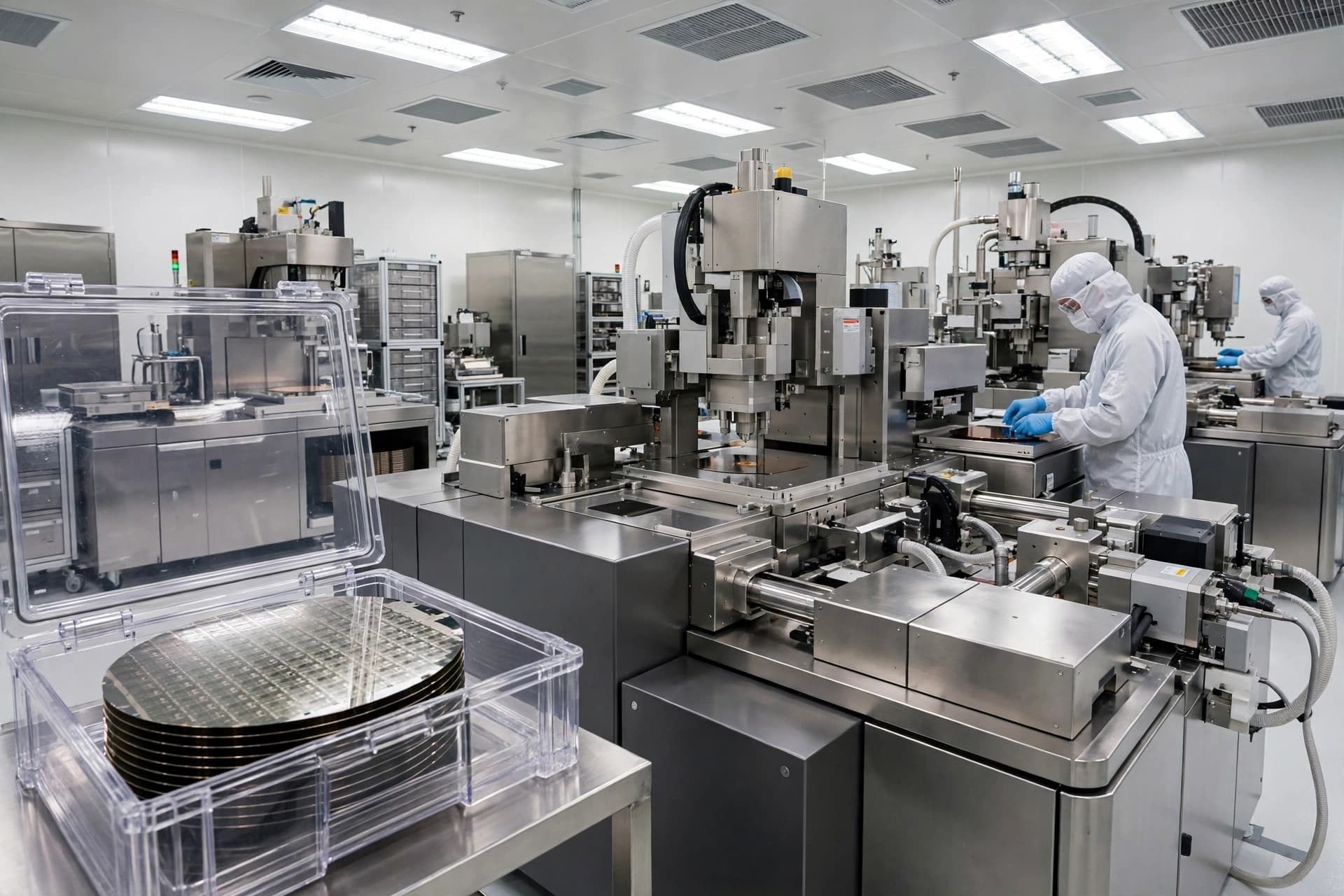
Indonesia's export-oriented industries, including manufacturing, electronics, textiles, and natural resources, continue assessing market conditions while maintaining communication with trading partners. Companies are also reviewing production strategies to remain flexible amid changing global trade dynamics.
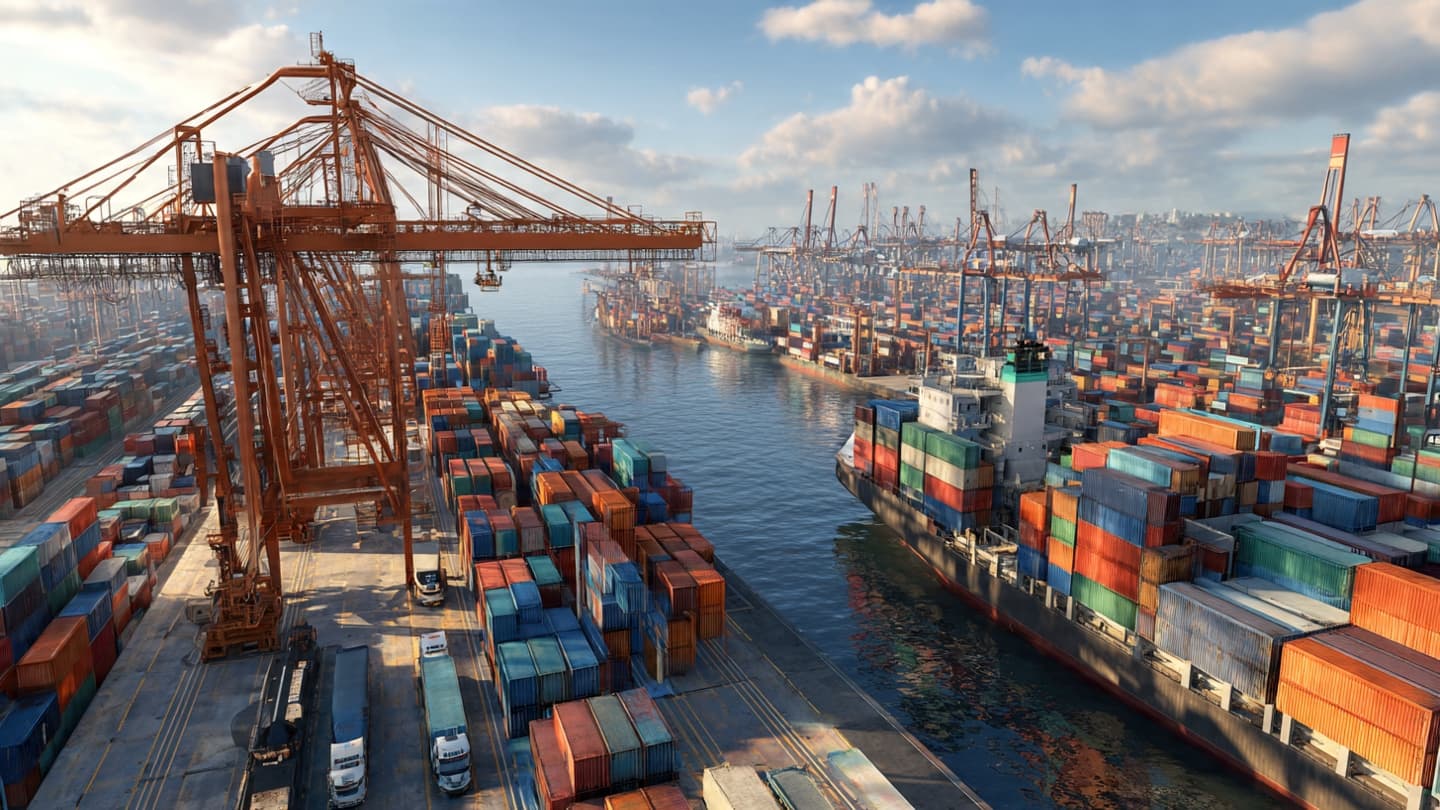
Economists note that tariff adjustments can reshape supply chains as companies seek alternative sourcing locations and new export destinations. Such developments often encourage businesses to diversify markets while strengthening regional partnerships throughout Asia.
Government agencies and business organizations continue coordinating with industry stakeholders to monitor developments and provide support where necessary. Maintaining export competitiveness and encouraging investment remain important priorities as international trade conditions evolve.
While uncertainty remains regarding future tariff implementation, Indonesia continues pursuing broader trade cooperation with partners across Asia and beyond. Businesses are expected to remain attentive to policy developments while adapting strategies to sustain long-term growth in global markets.
Published by Banx Network. This article is part of the Banx decentralized media programme, powered by the BXE token on the XRP Ledger.