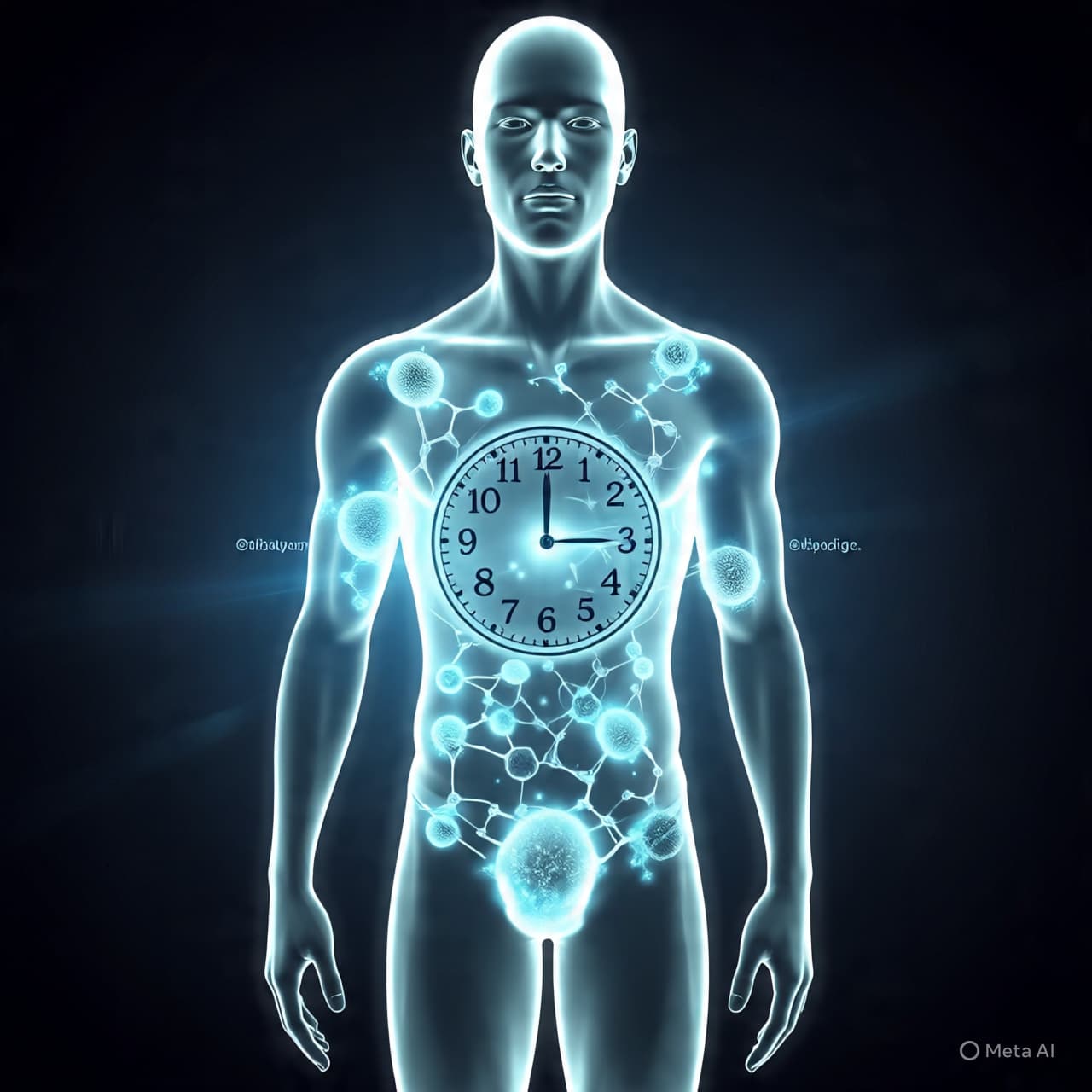
The human body does not operate on demand. It runs on rhythm.
Every cell follows an internal clock, quietly regulating hormone release, immune activity, metabolism, and repair. For decades, medicine largely ignored that timing, focusing instead on dosage, delivery, and molecular targets. Now, cancer research is catching up to a truth long known to biology: when treatment is given can be just as important as what treatment is used.
Growing evidence shows that cancer therapies work best when aligned with the body’s natural circadian rhythms — the roughly 24-hour cycles that govern physiological processes. This approach, known as chronotherapy, is reshaping how scientists think about effectiveness, toxicity, and survival.
Cancer cells do not exist outside time. They divide, repair DNA, and absorb drugs according to biological schedules. Meanwhile, healthy cells follow their own rhythms, cycling through periods of vulnerability and resilience. When treatment ignores those patterns, it can miss tumors at their weakest and strike healthy tissue at its most exposed.
Studies have found that chemotherapy administered at specific times of day can significantly reduce side effects while improving outcomes. In some cancers, patients receiving identical drugs showed markedly different responses depending solely on treatment timing. The difference was not subtle — it affected tolerance, recovery, and long-term control of disease.
The immune system plays a central role in this equation. Immune activity fluctuates over the day, rising and falling with sleep cycles and hormonal signals. Immunotherapies, which rely on activating the body’s defenses, appear especially sensitive to timing. Administered at the wrong hour, they may underperform. Given at the right one, they can amplify the body’s natural response.
This insight challenges the long-standing hospital logic of convenience. Clinics run on schedules optimized for staffing and logistics, not biology. Chronotherapy asks a harder question: should treatment schedules be redesigned around patients’ internal clocks rather than institutional routines?
The answer is increasingly difficult to ignore.
Advances in wearable technology, genetic profiling, and circadian biomarkers are making personalized timing possible. Researchers can now track an individual’s biological rhythms and predict when their body is most likely to tolerate or respond to therapy. What once seemed impractical is becoming precise.
The implications go beyond comfort. Reduced toxicity means fewer interruptions, higher adherence, and less cumulative damage. In cancer treatment, where margins are thin and resilience matters, that difference can be decisive.
Still, adoption remains uneven. Large clinical trials take time, and changing standardized protocols carries risk. Not every cancer follows the same clock, and not every patient shares the same rhythm. Chronotherapy does not replace precision medicine — it adds another layer to it.
What is becoming clear is that cancer care cannot afford to treat time as neutral. Biology never has.
As oncology moves toward greater personalization, the clock may become as important as the microscope. The future of cancer treatment may not lie solely in stronger drugs or smarter targets, but in learning to act in harmony with the body’s most ancient system — the rhythm that never stops ticking.
Published by Banx Network. This article is part of the Banx decentralized media programme, powered by the BXE token on the XRP Ledger.