Eight months is long enough for seasons to change, but not long enough for wounds to heal. In Sudan, time has stretched under the weight of war, each day folding into the next with a familiarity shaped by loss rather than routine. What began as a struggle for power has settled into a conflict that now defines ordinary life.
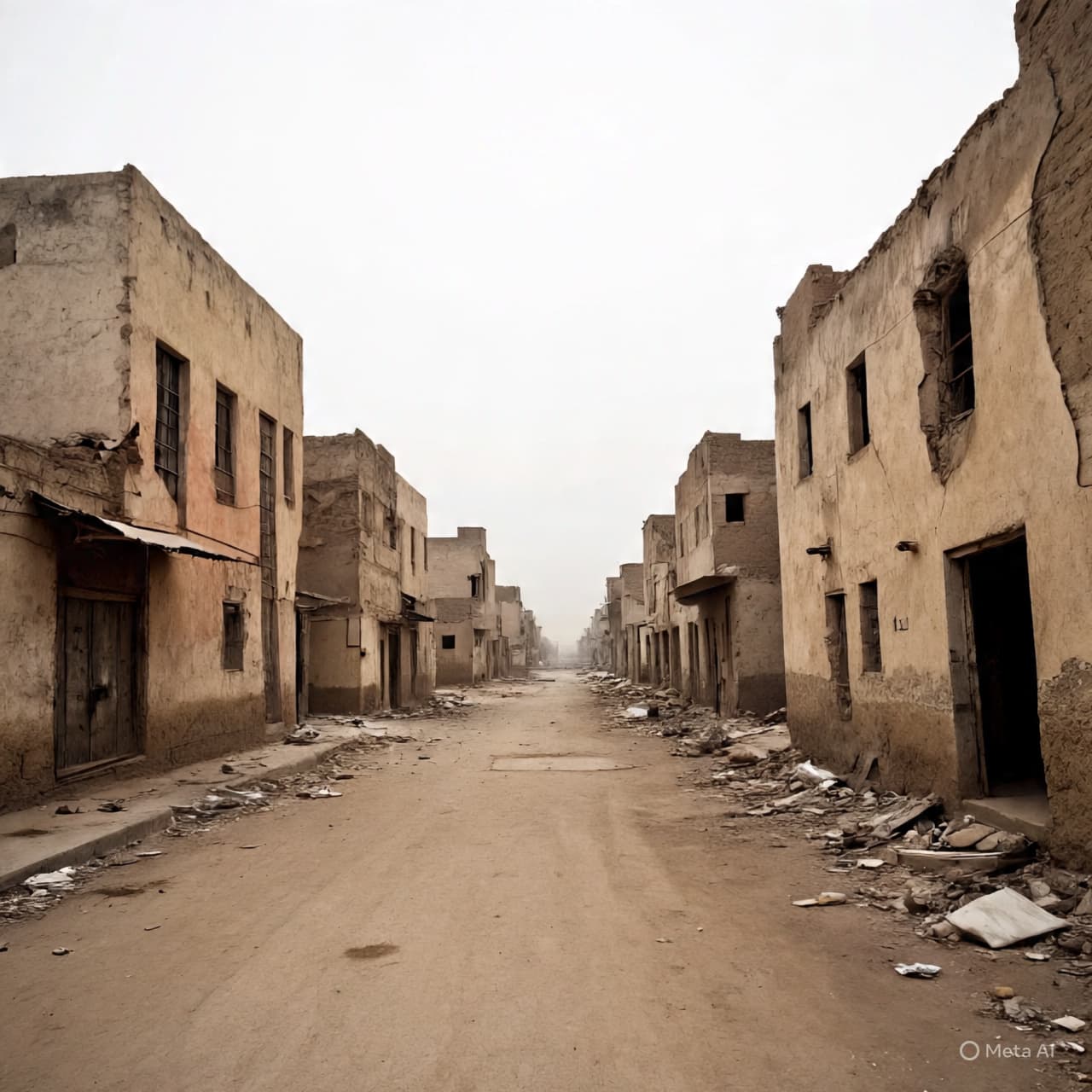
Since fighting erupted between rival military forces, the country has slipped into a state of sustained instability. Urban centers once marked by movement and commerce have been reduced to checkpoints and silence. Neighborhoods have emptied unevenly, some abandoned, others holding on with quiet endurance as residents adapt to scarcity and fear.
The humanitarian consequences have grown steadily more severe. Millions have been displaced internally or forced across borders, while access to food, clean water, and medical care has deteriorated. Aid delivery remains constrained by insecurity and fragmented authority, turning relief into negotiation rather than response. For many civilians, survival has become a daily calculation.
Diplomatic efforts continue, though they arrive in fragments. Regional and international mediators have sought ceasefires and dialogue, with limited and temporary effect. Agreements are announced, observed briefly, and then eroded by renewed clashes. The absence of a unified political vision has left negotiations suspended between urgency and uncertainty.
Beyond the battlefield, the conflict has fractured institutions that once held the country together. Schools remain closed, public services are disrupted, and economic activity has slowed to a near standstill. The longer the fighting continues, the more difficult it becomes to imagine a swift return to normal governance.
Yet even amid prolonged conflict, traces of resilience persist. Community networks share resources, local volunteers provide aid where formal systems cannot, and families make space for those displaced. These acts do not resolve the war, but they soften its edges, preserving fragments of social fabric under strain.
Eight months into civil war, Sudan stands not only at a humanitarian crossroads, but at a moral one. The future remains unclear, shaped by forces both internal and external. What is evident is that time alone will not bring resolution — only sustained commitment, restraint, and inclusion can begin to turn duration into direction.
Published by Banx Network. This article is part of the Banx decentralized media programme, powered by the BXE token on the XRP Ledger.