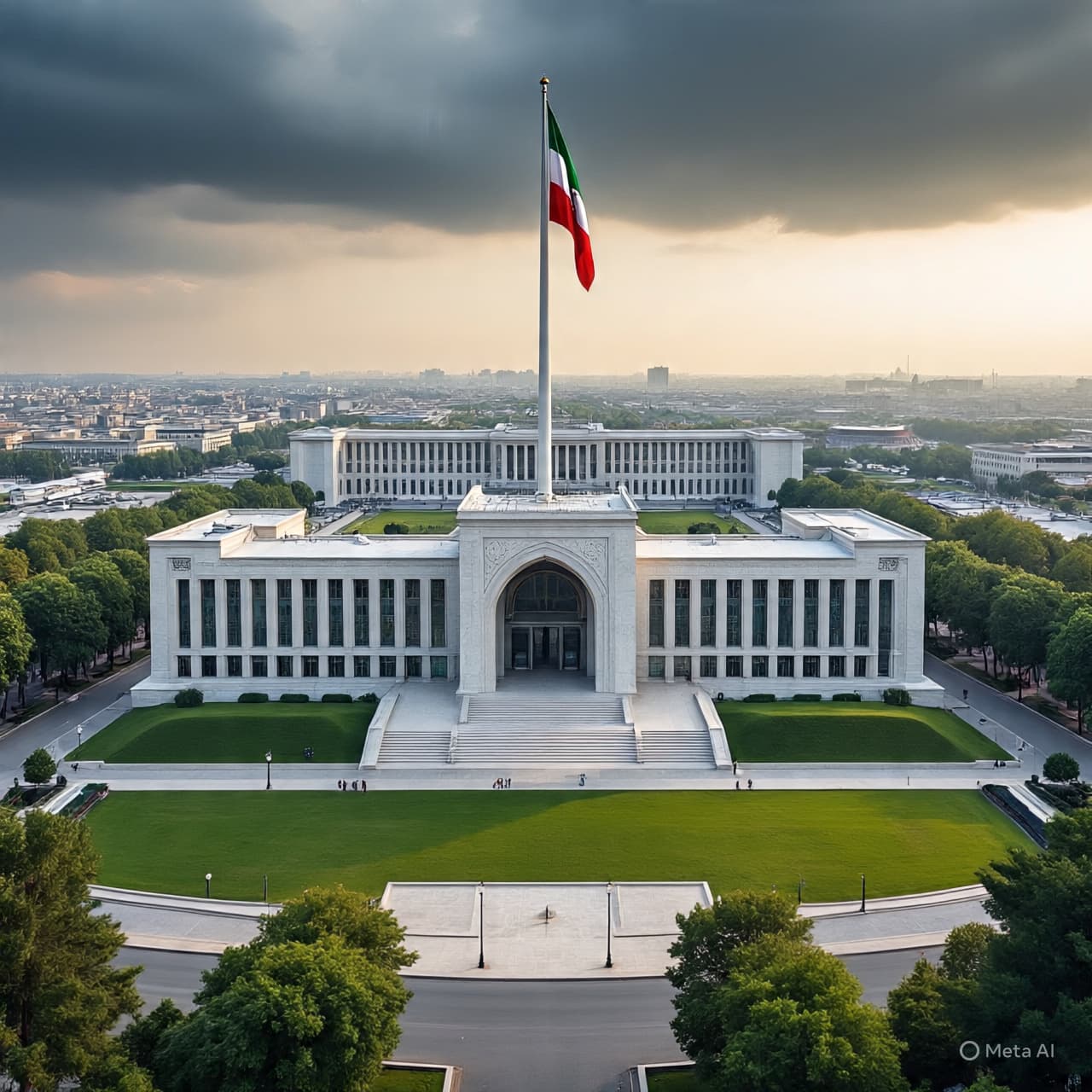
Cities along the Mediterranean often carry a quiet rhythm—morning traffic along coastal roads, the murmur of cafés opening their doors, and the steady hum of daily life unfolding beside the sea. Yet in regions shaped by long political tensions, that rhythm can change suddenly, interrupted by warnings, sirens, and the uneasy pause that follows the sound of distant aircraft.
Such a moment has begun to unfold again in , where authorities issued evacuation warnings for parts of the city as exchanges of strikes intensified between and the Lebanese armed group .
The notice urging civilians to leave certain areas followed a series of Israeli airstrikes targeting locations believed to be connected to Hezbollah’s military infrastructure. Residents in several districts reported hearing explosions and seeing smoke rise over sections of the city as emergency services moved through the affected neighborhoods.
The said its operations were aimed at disrupting Hezbollah positions and reducing the group’s ability to launch attacks toward Israeli territory. Military officials have repeatedly stated that strikes are focused on locations associated with weapons storage, command sites, or launch areas.
For Hezbollah, the confrontation reflects a broader pattern of cross-border hostilities that have intensified in recent months. The group has launched rockets and other projectiles toward northern Israel, framing its actions as part of the ongoing regional confrontation involving Israel and its adversaries.
Beirut’s southern suburbs—areas historically linked to Hezbollah’s political and organizational presence—have frequently been focal points during periods of conflict. These districts are densely populated and intertwined with the everyday lives of families, businesses, and community institutions.
Evacuation warnings issued ahead of strikes represent an attempt to reduce civilian casualties, though they also signal the seriousness of the unfolding situation. Residents faced the difficult decision of leaving homes quickly while uncertainty about the duration of the crisis remains.
The escalation comes amid a wider regional environment marked by rising tensions and overlapping conflicts across the Middle East. Analysts warn that exchanges between Israel and Hezbollah carry the potential to expand beyond the immediate border region if strikes intensify further.
International diplomats have repeatedly called for restraint, emphasizing that the Israel–Lebanon frontier has historically been one of the most volatile flashpoints in the region. Previous conflicts have shown how quickly limited exchanges can evolve into broader confrontations.
For those living in Beirut, the warnings and airstrikes serve as a stark reminder of the city’s long history with conflict. The capital has rebuilt itself many times over the decades, yet each new escalation revives memories of earlier chapters shaped by war.
Still, daily life continues in cautious motion as authorities coordinate emergency responses and residents monitor official announcements. Streets that only days earlier carried the ordinary movement of a busy capital now hold a different atmosphere—one marked by uncertainty and watchful waiting.
As officials on both sides continue military operations and diplomatic efforts unfold behind the scenes, the situation remains fluid. For now, evacuation notices and rising strikes suggest that the confrontation along the Israel–Lebanon frontier has entered another tense phase, one that residents and regional leaders alike are watching with careful attention.
AI Image Disclaimer Illustrations were produced with AI and serve as conceptual depictions.
Sources Reuters Associated Press BBC News Al Jazeera The Guardian
Published by Banx Network. This article is part of the Banx decentralized media programme, powered by the BXE token on the XRP Ledger.