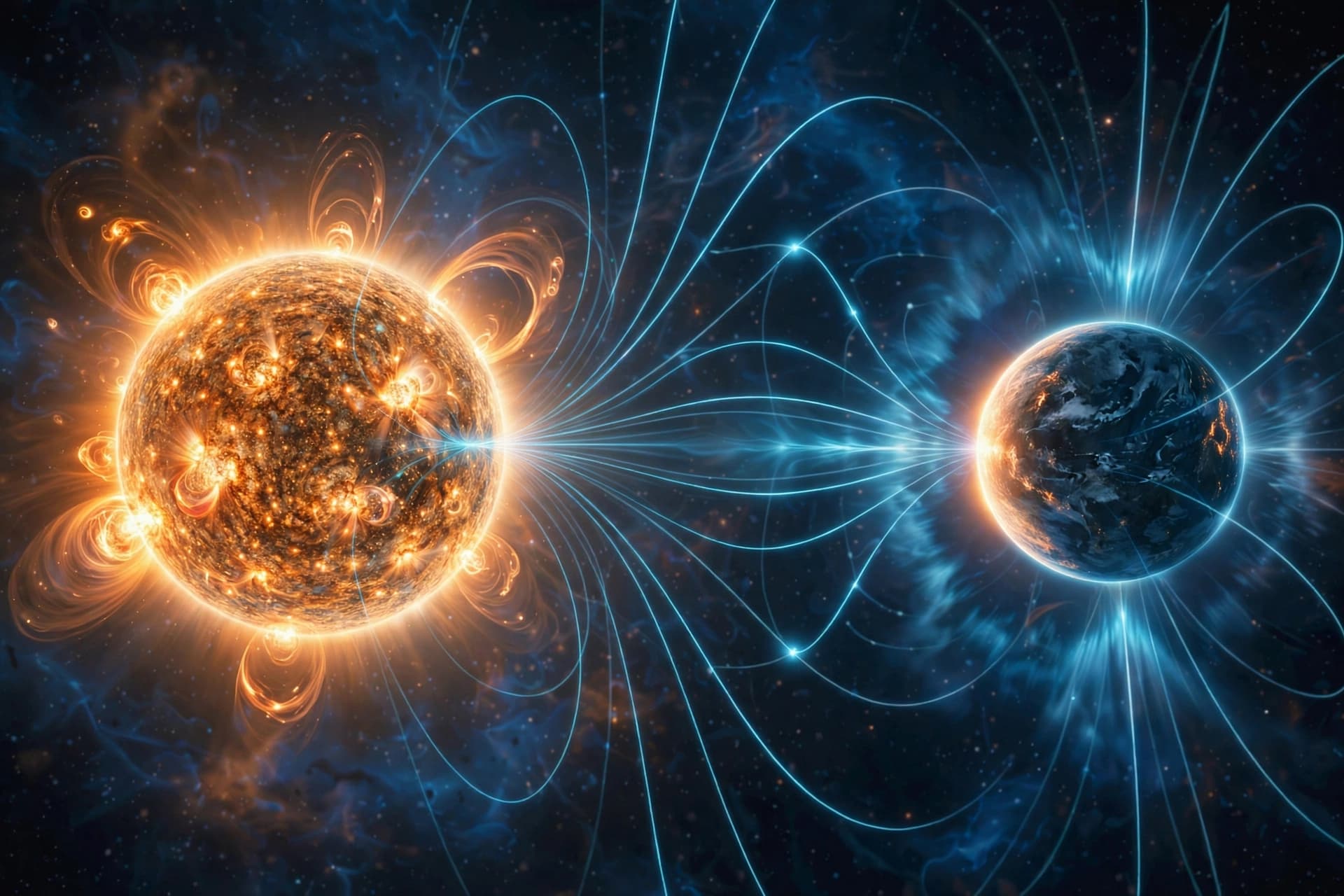
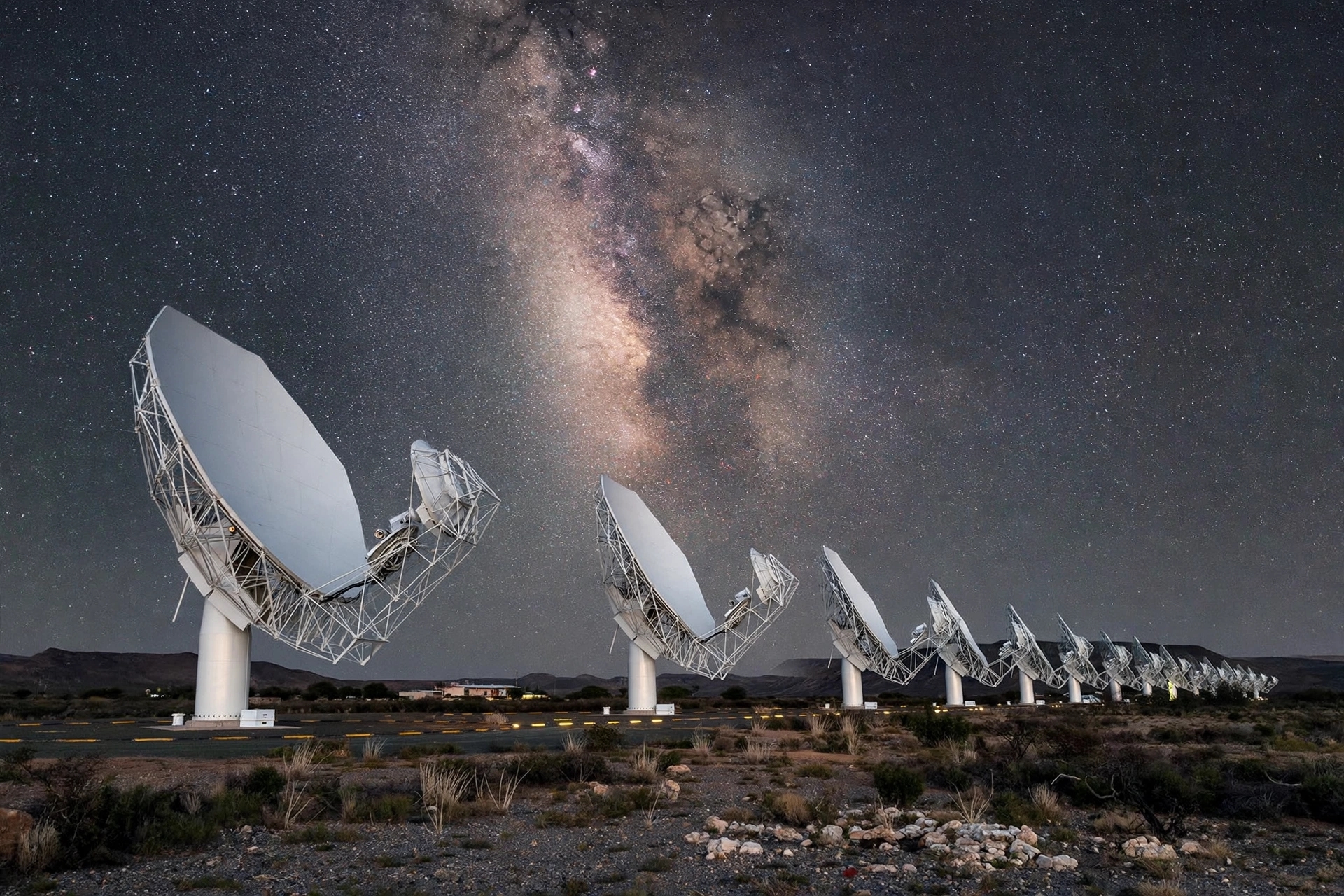
The cosmos has always promised clarity in its distant lights and silent expanses — but recently, it has offered nothing but questions. A new cosmic-map survey, charting galactic structures and deep space coordinates, has failed to smooth out disagreements over the rate at which the Universe expands — known as the Hubble constant. Instead, it sharpened a rift that divides cosmologists, and reopened a puzzle thought nearly settled.
This discord, now revived, is more than academic hair-splitting. The divergence stems from two ways of measuring expansion: one based on “local” observations — supernovae, nearby galaxies, cosmic distance ladders — and another based on primordial signals — radiation left over from the early Universe analyzed through background cosmic measurements and the large-scale structure of space. The new map, intended to refine the latter approach by improving measurements of cosmic structure and distribution of galaxies, was supposed to offer convergence. Instead, it confirmed that the gap remains wide.
For believers in the cosmic-constant consensus, the result is unsettling: if the Universe doesn’t expand at the same rate depending on how you measure it, then either unknown factors skew one set of observations, or our cosmological model itself — long considered robust — may require revision. Dark energy, early Universe physics, or undiscovered mechanisms might hide in the discrepancy.
For skeptics, the revived tension is evidence of humility: it warns against rushing to cosmic truths before data, methods, and interpretations are firmly aligned. Perhaps local measurements are influenced by hidden biases — cosmic dust, unrecognized galactic motion, calibration issues — or perhaps the new map still lacks the sensitivity needed to reconcile the divide. What seemed like precision reveals itself as provisional.
Regardless, the renewed debate underscores a deeper truth: cosmology is not a closed book. The Universe — grand in scale, subtle in structure, and stubborn in its silence — continues to guard its secrets. Each new map, each new survey, brings humanity closer — but also reminds us how far we remain from certainty. In that tension lies both frustration and hope: that one day, the stars will surrender their ledger to human curiosity.
Published by Banx Network. This article is part of the Banx decentralized media programme, powered by the BXE token on the XRP Ledger.