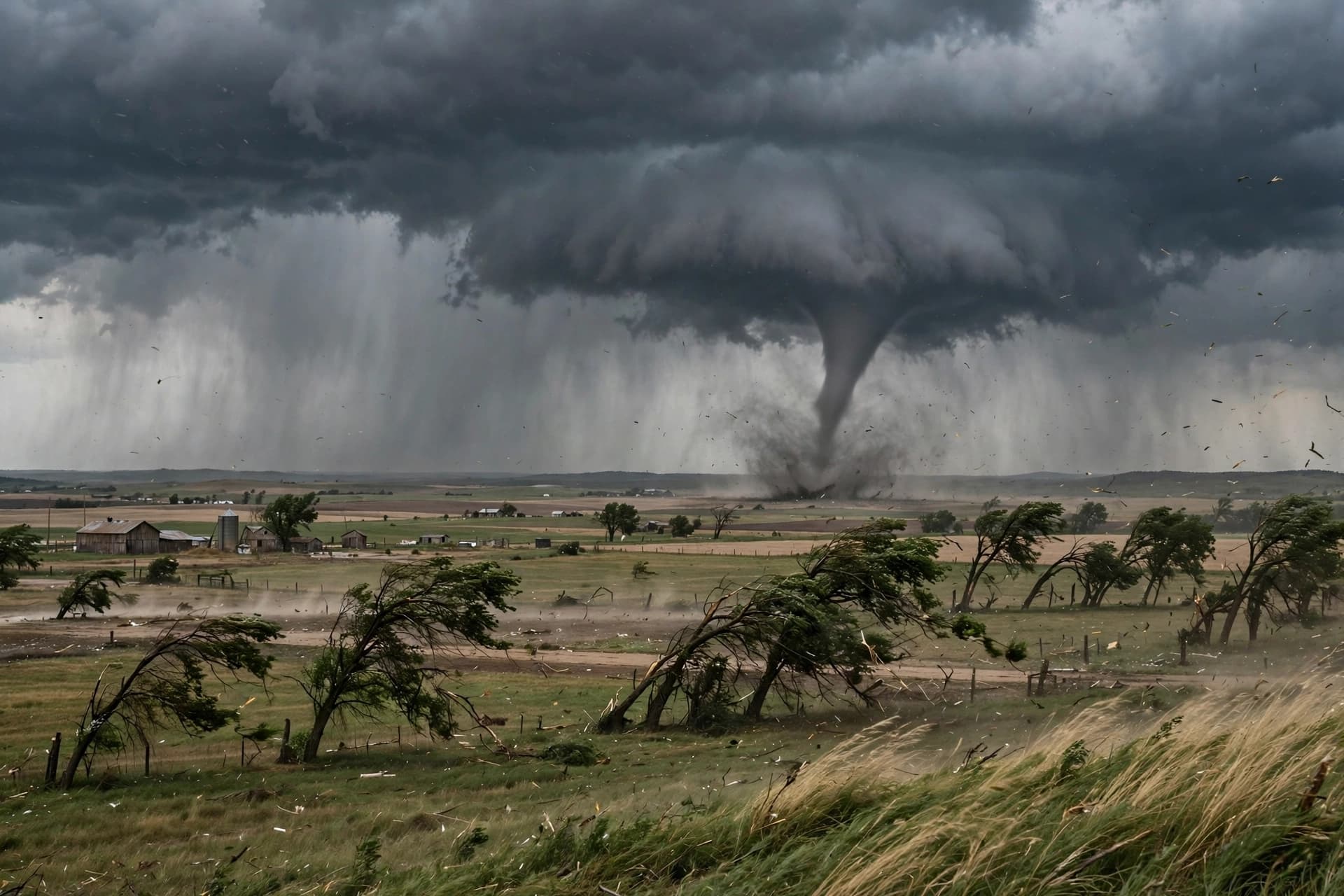
There is a particular sequence of sounds that accompanies a tornado—first the sirens, then the low roar that some describe as a freight train, and finally the silence that follows, broken only by the crack of falling trees and the distant wail of emergency vehicles. Across Burke, Screven, and Allendale counties on Saturday afternoon, that sequence unfolded not once but repeatedly, as a series of tornadoes spun off from the remnants of Hurricane Isaias and carved paths through communities unaccustomed to such violence.
The first reports came from Screven County, Georgia. At 2:33 p.m., a trained spotter photographed a tornado near Effingham Highway, reporting that treetops were being shredded . By 3:17 p.m., 911 call centers were receiving reports of roof damage near Hilltop Lane and Savannah Highway, along with a downed power pole . A fire chief in Newington reported a tornado on the ground near Highway 21, again describing shredded treetops. Damage estimates suggested a path roughly 200 yards wide .
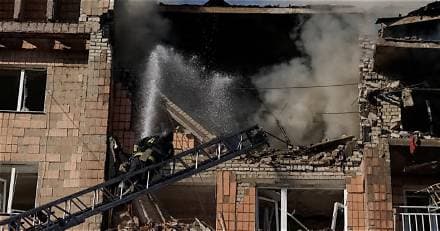
The storms moved northeast. In Burke County, drone footage and video captured several homes destroyed, farm equipment flipped, and considerable tree and power line damage along Highway 80 west of Waynesboro . In Allendale County, South Carolina, the state Emergency Management Division reported three houses with major damage and a fourth destroyed along Burton Highway . A storm chaser livestreamed the tornado as it crossed Miller Creek Road, downing trees and power lines .
By the time the storms moved out, the National Weather Service in Charleston had issued seven tornado warnings, and damage reports had come in from Screven, Burke, Allendale, Barnwell, and Aiken counties . At least four structures were destroyed across the affected areas . No injuries were reported in the immediate aftermath, a fact that emergency managers attributed to early warnings and the timing of the storms—Saturday afternoon, when many residents were awake and alert.
The tornadoes were part of a broader severe weather system that also brought flash flooding to the region. By midafternoon, the National Weather Service had issued a flash flood warning for metro Augusta and surrounding communities, with 2 to 3 inches of rain already fallen and another 1 to 3 inches possible . The dual threats—tornadoes and flooding—underscored how the remnants of Isaias were hitting the CSRA from two directions at once .
For the residents of Burke, Screven, and Allendale counties, the storms left behind a landscape marked by downed trees, damaged homes, and the quiet work of recovery. Emergency managers urged drivers to avoid flooded roads, noting that most flood deaths occur in vehicles . The tornadoes had passed, but the hazards they left behind—standing water, downed power lines, weakened trees—remained.
AI Image Disclaimer: The imagery in this article was generated using artificial intelligence for illustrative purposes only and does not represent actual photographs of the storm damage described.
Sources: WSAV-TV, WRDW, WJBF, WJCL, National Weather Service
Published by Banx Network. This article is part of the Banx decentralized media programme, powered by the BXE token on the XRP Ledger.