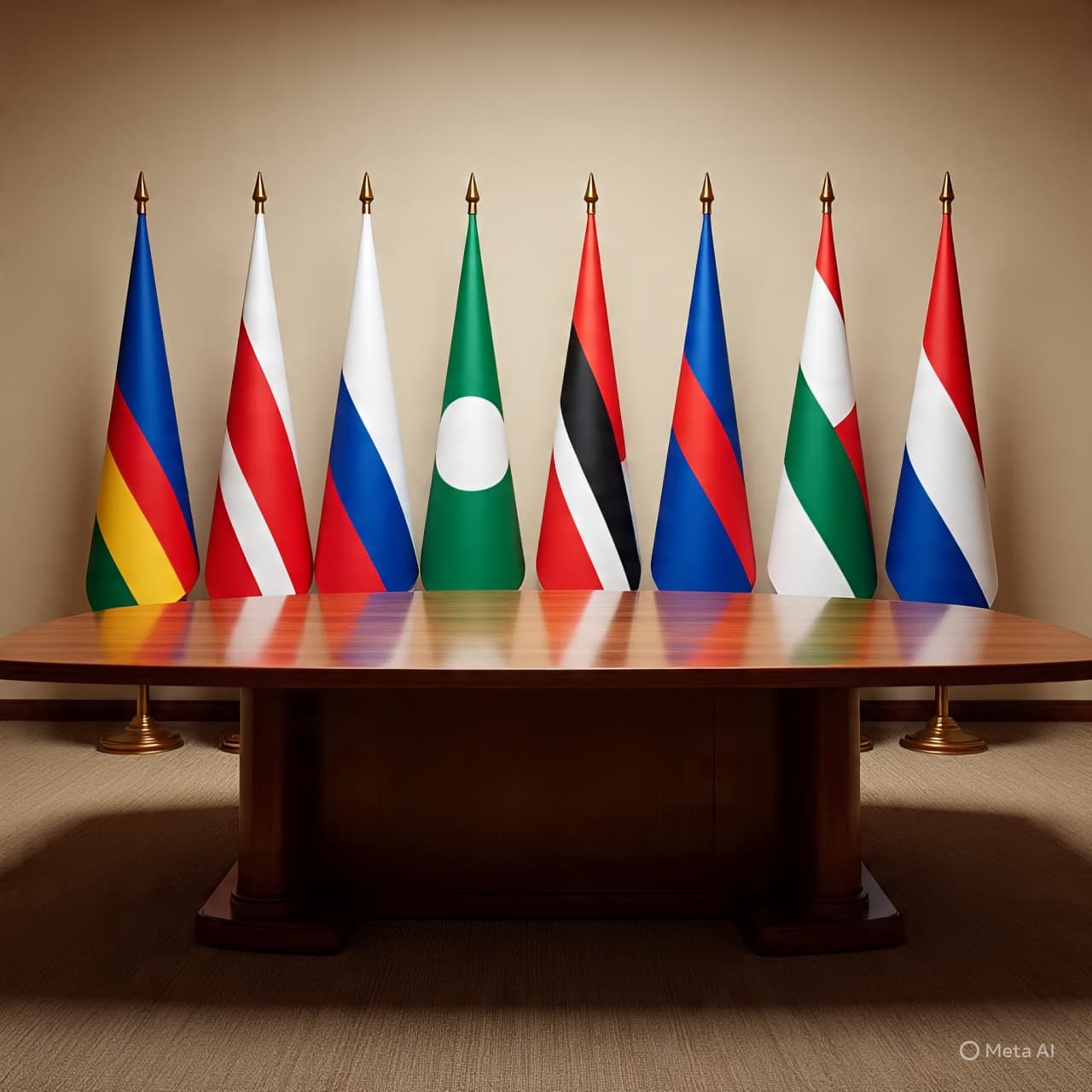
There are moments in history when the world seems to hold its breath—not in silence, but in a quiet, collective hesitation. The current tension surrounding Iran and the United States feels much like standing at the edge of a shoreline before a storm, where the waves have not yet broken, but their rhythm has changed. Words travel faster than ships, yet they carry weight—warnings, signals, possibilities.
In recent days, Iran’s message has been unmistakable: a ground invasion would not be a step forward, but a threshold crossed. Officials in Tehran have cautioned that such a move would invite consequences not confined to borders, but rippling outward across an already fragile region.
At the same time, the choreography of diplomacy continues, almost like a parallel current beneath the surface. Regional powers—including Pakistan, Turkey, Saudi Arabia, and Egypt—have stepped into the role of mediators, attempting to draw lines of dialogue where lines of conflict have deepened.
The contrast is striking. On one side, military preparations quietly take shape—contingency plans, troop movements, strategic calculations. Reports suggest that U.S. officials are weighing limited ground operations, not yet decisions, but possibilities placed on the table. On the other side, diplomatic efforts persist, as if testing whether conversation can still outpace confrontation.
Iran’s stance reflects more than defiance; it signals an awareness of how quickly escalation can redraw the map of consequences. Leaders have framed a potential ground incursion as a turning point—one that could transform a contained conflict into something far broader, less predictable, and far harder to contain.
Meanwhile, the region itself feels the tremors. The conflict has already drawn in multiple actors, from Hezbollah in Lebanon to Houthi forces in Yemen, stretching the geography of tension across key waterways and trade routes. Energy markets, shipping lanes, and civilian lives all sit within the widening circle of uncertainty.
And yet, amid these layered tensions, diplomacy has not withdrawn. It lingers—sometimes quietly, sometimes imperfectly—suggesting that even in moments of escalation, the search for an off-ramp remains. Talks may be indirect, proposals may be rejected, but the act of negotiation itself continues to exist, however fragile.
Perhaps that is the paradox of this moment: the louder the warnings grow, the more necessary the quieter conversations become. Between the language of deterrence and the language of dialogue, the future of the region seems to hover—not yet decided, but increasingly urgent.
For now, no final step has been taken. The warnings stand, the preparations continue, and diplomatic channels remain open, however narrow they may be.
AI Image Disclaimer Visuals are created with AI tools and are not real photographs.
Source Check (Credible Media Identified): Reuters The Guardian Associated Press The Washington Post CBS News
Published by Banx Network. This article is part of the Banx decentralized media programme, powered by the BXE token on the XRP Ledger.