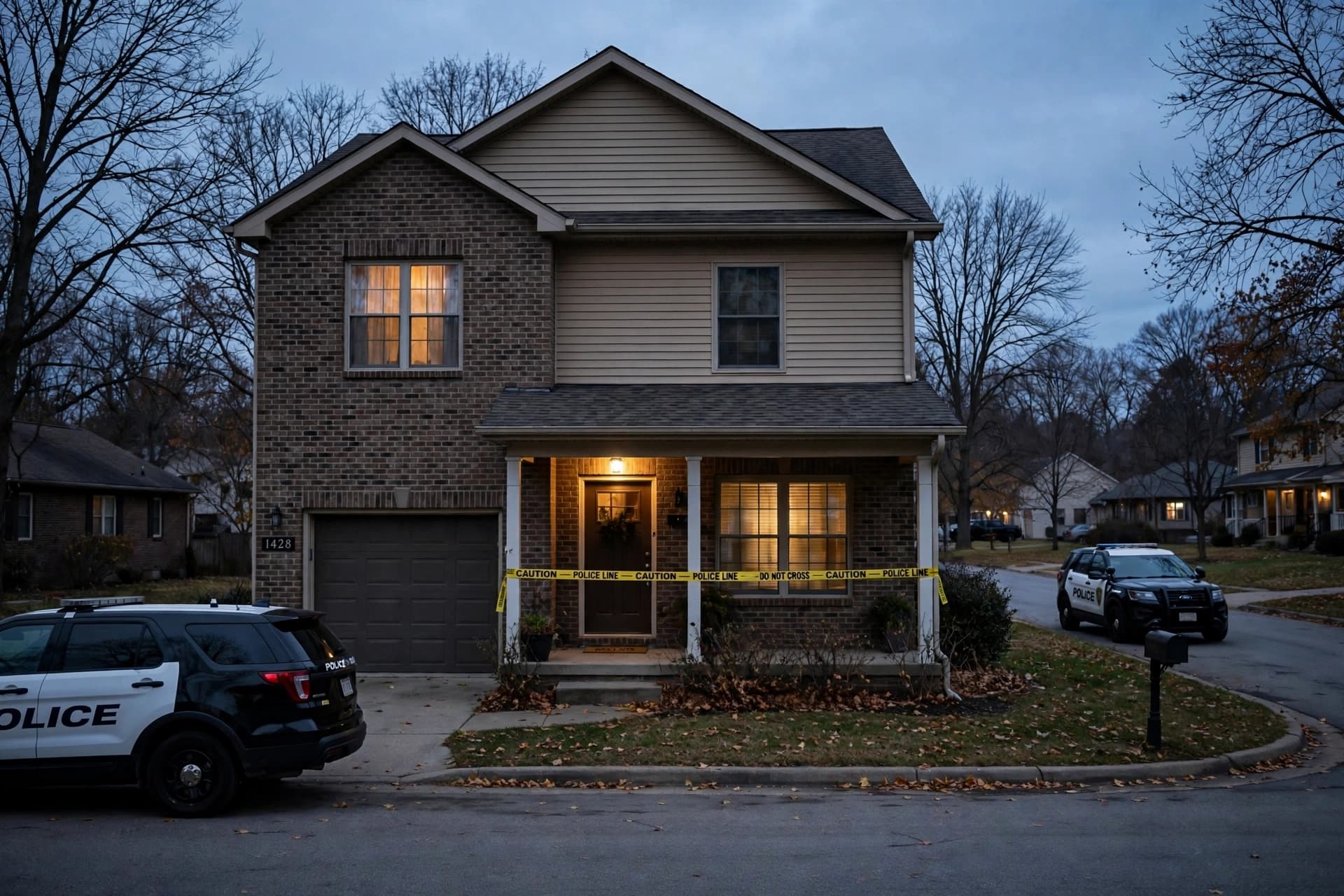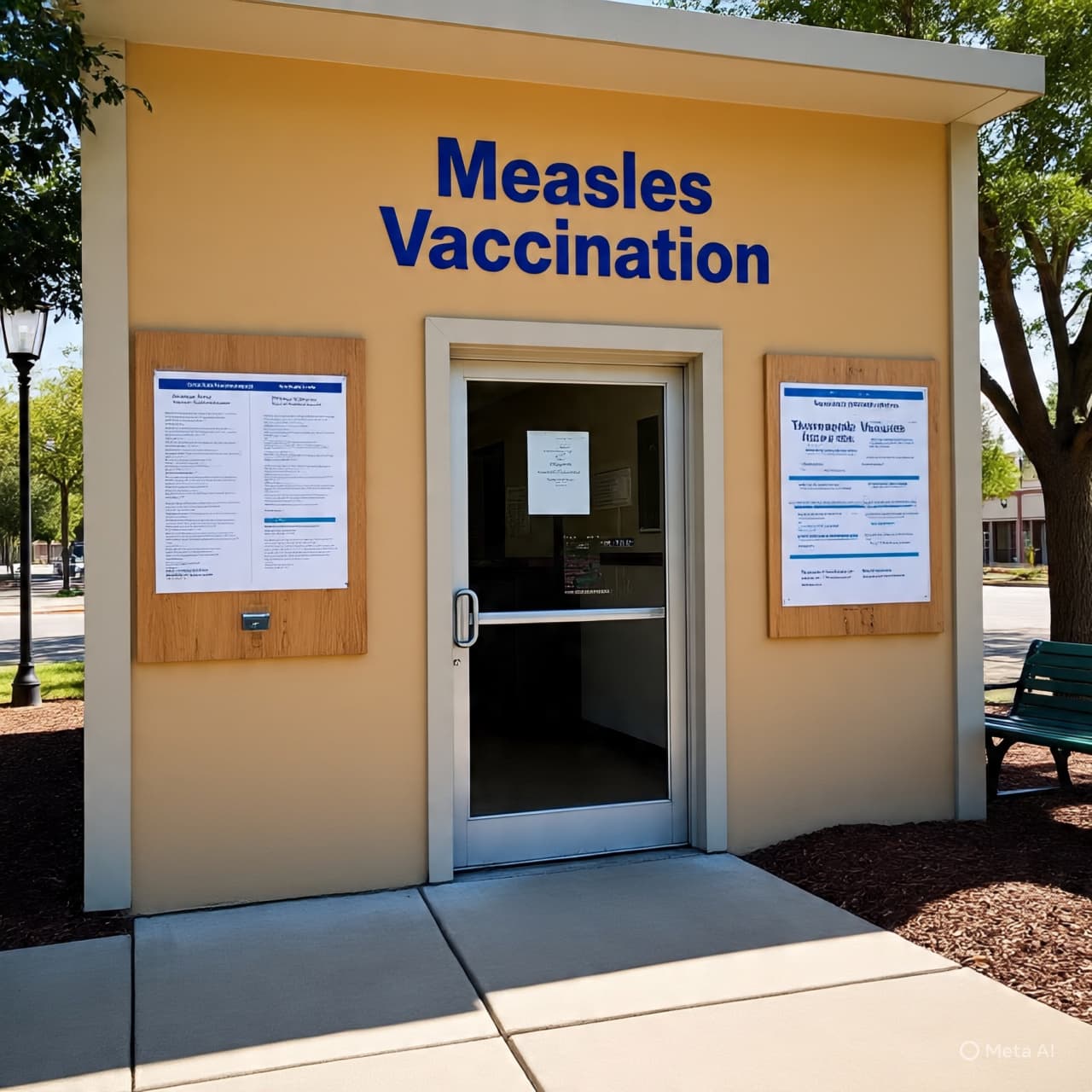
In the gentle hush between seasons, when calendars shift and communities gather once more, an old chapter in public health has begun to write itself again — quietly, steadily, and with a stubborn persistence that belies its age. Like a story carried on a wind that refuses to be ignored, measles has returned to parts of the United States, with South Carolina’s numbers climbing in recent days in a way that feels both familiar and unsettling.
In the heart of the Upstate region, health officials this month reported a surge in confirmed measles infections. With 124 newly recorded cases in just a few days, the total for South Carolina has risen to about 558 known cases — an increase of almost thirty percent in a matter of days — centered largely around Spartanburg County and surrounding communities. Across the state, more than 500 people have been quarantined or are in isolation as public health teams trace contacts and monitor exposures, especially where schools and public spaces have seen recent activity.
This outbreak exists against a broader backdrop: in 2025, the United States saw the highest number of measles cases in decades, with well over 2,000 confirmed infections nationwide across multiple states. Although the country had once marked measles as effectively eliminated, recent waves of infection have reminded communities how swiftly a highly contagious virus can spread when conditions align.
The stories behind each number are varied: children whose days now are spent at home rather than in classrooms, parents navigating unfamiliar routines of quarantine, and health workers drawing on familiar tools — tracking, communicating, vaccinating — as they seek to slow new transmissions. At its core, this chapter is shaped by the interplay between disease dynamics and the collective rhythms of everyday life. It invites reflection on how interconnected safety and wellbeing can be, especially in places where immunity gaps may exist.
As seasons change and attention shifts from one headline to the next, the narrative of South Carolina’s measles resurgence offers a quiet reminder: public health is not merely a series of charts, but a lived experience for families and communities alike. It underscores that the patterns of yesterday can resurface, reminding us that vigilance and care are enduring companions along the path of collective health.
In recent announcements, health officials have detailed ongoing efforts to monitor the outbreak and to encourage vaccination for those eligible, while emphasizing the importance of continued reporting and community support. Numbers, while precise, are also part of an unfolding story — one that speaks not only to the virus itself but to the doings of people and places, their movements and choices, their shared daily chapters in a world still learning to live with both old and new challenges.
AI Image Disclaimer Visuals are created with AI tools and are not real photographs; they are intended for conceptual illustration only.
Source Check:
Associated Press Reuters Medical Xpress CIDRAP (Center for Infectious Disease Research and Policy) People.com
Published by Banx Network. This article is part of the Banx decentralized media programme, powered by the BXE token on the XRP Ledger.