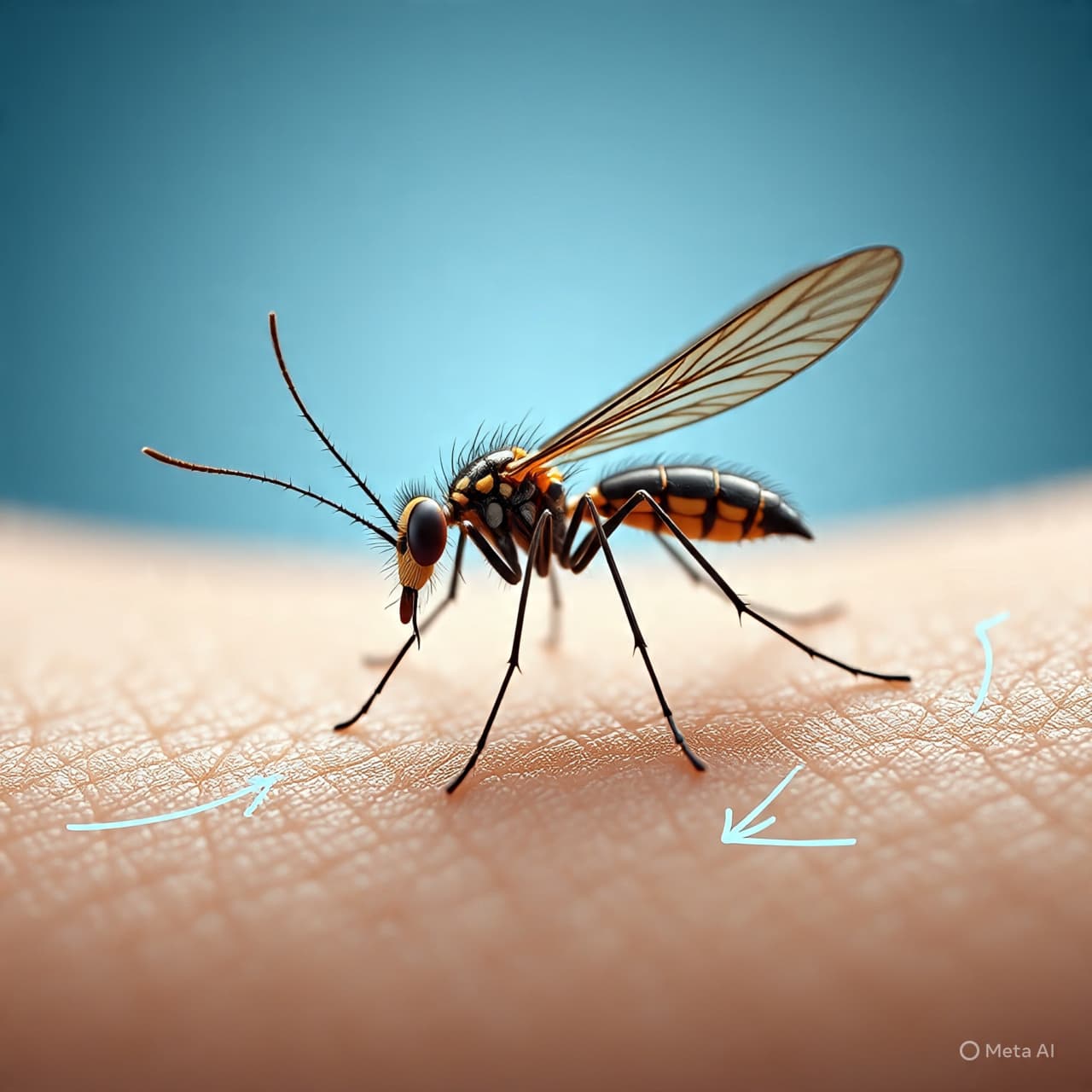
In the delicate balance between human progress and nature’s persistence, there are moments when the scale tilts almost imperceptibly. A mutation here, a resistance there—small changes that carry profound implications. Across parts of South America, such a shift is now drawing the attention of scientists and public health experts alike.
Mosquitoes, long recognized as vectors of malaria, are developing resistance to commonly used insecticides. This development, while rooted in biology, extends far beyond the laboratory. It touches on decades of global effort aimed at reducing the burden of a disease that has shaped histories and communities.
For years, insecticide-treated nets and indoor spraying have formed the backbone of malaria control strategies. These tools, simple in concept yet powerful in impact, have contributed to significant declines in infection rates worldwide. Their effectiveness, however, depends on one critical assumption—that mosquitoes remain susceptible.
Recent findings suggest that this assumption is becoming less certain. In regions of South America, populations of mosquitoes are showing increased resilience against widely used chemicals. This resistance does not emerge suddenly; it evolves gradually, driven by repeated exposure and natural selection.
The implications are complex. As resistance spreads, the effectiveness of existing interventions may diminish, potentially leading to a resurgence of malaria cases. Such outcomes are not immediate, but they loom as possibilities that require careful monitoring and proactive response.
Researchers emphasize that this is not an isolated phenomenon. Similar patterns have been observed in other parts of the world, indicating a broader trend. The challenge, therefore, is not confined to a single region but represents a global concern within public health.
Addressing this issue requires a multifaceted approach. Developing new insecticides, exploring alternative control methods, and improving surveillance systems are all part of the equation. At the same time, community engagement remains essential, as local practices and awareness play a significant role in prevention.
There is also a deeper lesson embedded in this development. It reflects the adaptive capacity of living organisms—a reminder that solutions, no matter how effective initially, may require continuous evolution. In this sense, the fight against malaria is not static but dynamic.
International organizations, including the World Health Organization, are closely tracking these developments. Collaborative efforts between governments, research institutions, and health agencies aim to stay ahead of the curve, ensuring that progress made over decades is not reversed.
While the emergence of resistance introduces uncertainty, it also underscores the importance of sustained investment in research and innovation. It is through such commitment that new tools and strategies can be developed, maintaining momentum in the global effort to control malaria.
Ultimately, the story unfolding in South America is one of vigilance. It is about recognizing early signs of change and responding with foresight rather than reaction. In doing so, the global community can continue to navigate the delicate balance between human intervention and nature’s enduring adaptability.
AI Image Disclaimer: Illustrations were produced with AI and serve as conceptual depictions.
Source Check Nature Reuters World Health Organization (WHO) The Lancet BBC News
Published by Banx Network. This article is part of the Banx decentralized media programme, powered by the BXE token on the XRP Ledger.


.jpg&w=3840&q=75 "Qantas Grounds Plane After Passengers Report Bedbug Bites")