The week arrived quietly, like a change in weather noticed more by feeling than by sound. High above Earth, far beyond it, and deep beneath frozen ground, science moved through moments that did not demand applause, only attention. These were not stories of triumph or failure, but of pause, care, and memory threads that often define progress more honestly than celebration.
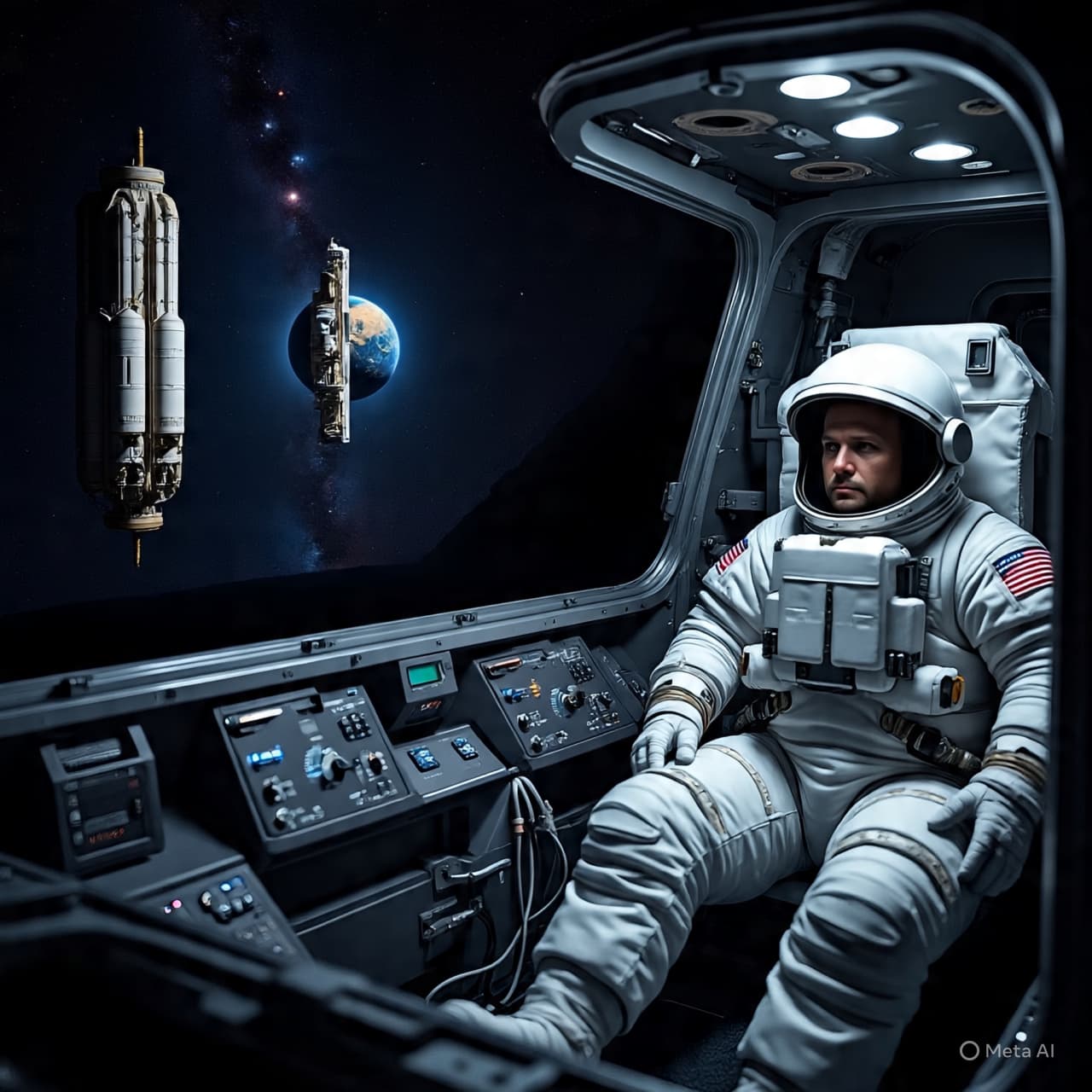
In orbit, the International Space Station became a place of careful decision rather than experiment. A medical situation involving an astronaut required a return to Earth, setting in motion procedures designed long ago for moments exactly like this. The process unfolded with calm precision, reflecting how exploration is sustained not only by technology, but by readiness to protect the people who carry it forward. Even at the edge of space, human limits quietly guide every mission.
At the same time, a long-anticipated journey between planets reached an unexpected stopping point. The Mars Sample Return program, envisioned as a way to bring pieces of another world back to Earth, was officially canceled after reassessment of its growing complexity and cost. The decision did not erase years of effort; instead, it reframed them. Knowledge gained remains, informing future paths that may one day reconnect Earth and Mars under different circumstances.
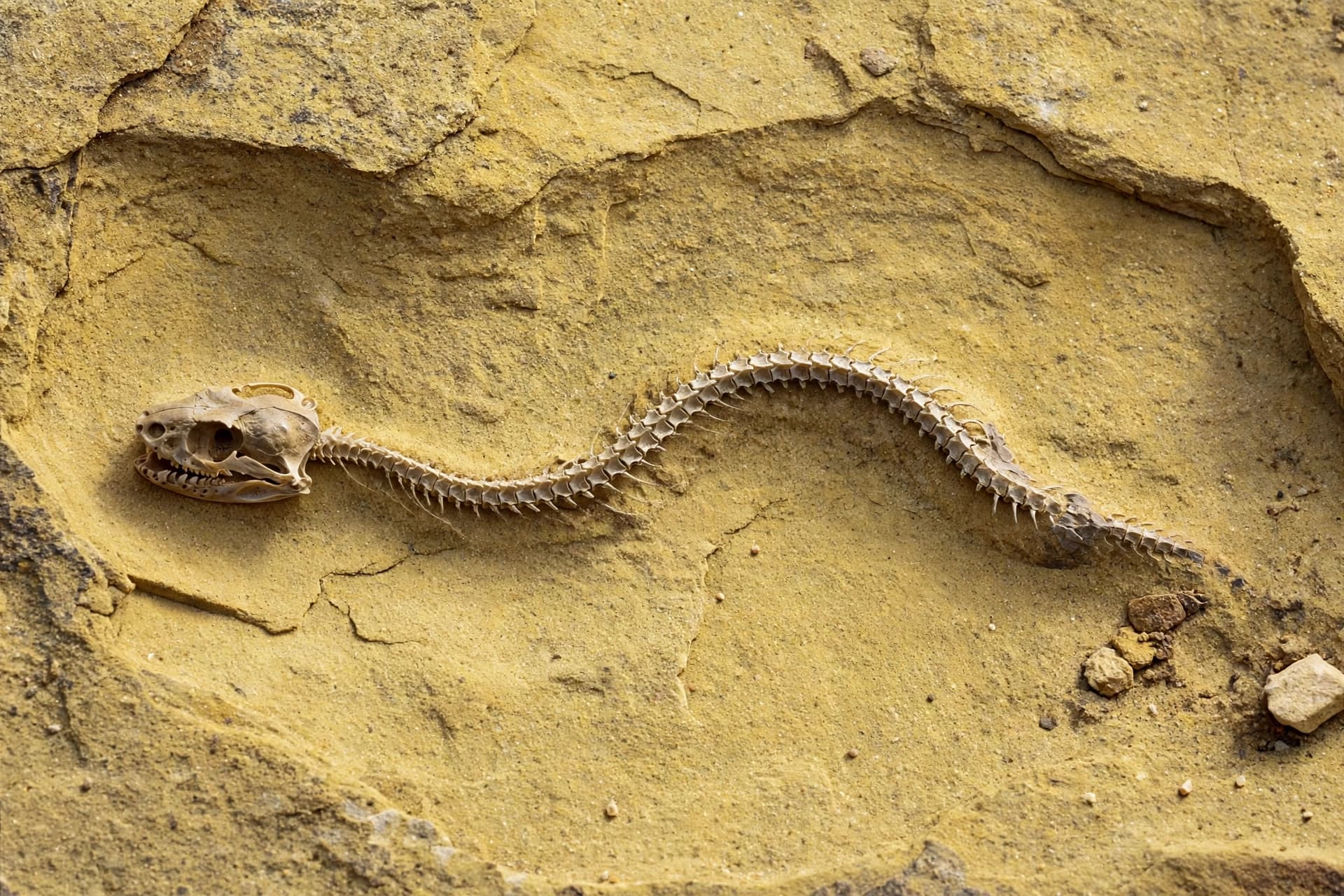
On Earth’s coldest margins, the past offered a different kind of message. Scientists working in Siberian permafrost uncovered preserved flesh believed to belong to a woolly rhinoceros, found alongside remains associated with an Ice Age wolf. Locked in ice for thousands of years, the discovery opens a narrow window into ecosystems long gone, reminding researchers how climate, extinction, and survival are deeply intertwined across time.
In clear terms, the week closed with a medical return plan executed as designed, a major Mars mission formally set aside, and a rare prehistoric find expanding scientific understanding. Together, these developments marked not a retreat from discovery, but a measured continuation—one shaped by care, realism, and respect for both the future and the deep past.
AI Image Disclaimer Visuals are created with AI tools and are not real photographs.
Sources:
BBC News Reuters The New York Times Nature Scientific American
Published by Banx Network. This article is part of the Banx decentralized media programme, powered by the BXE token on the XRP Ledger.