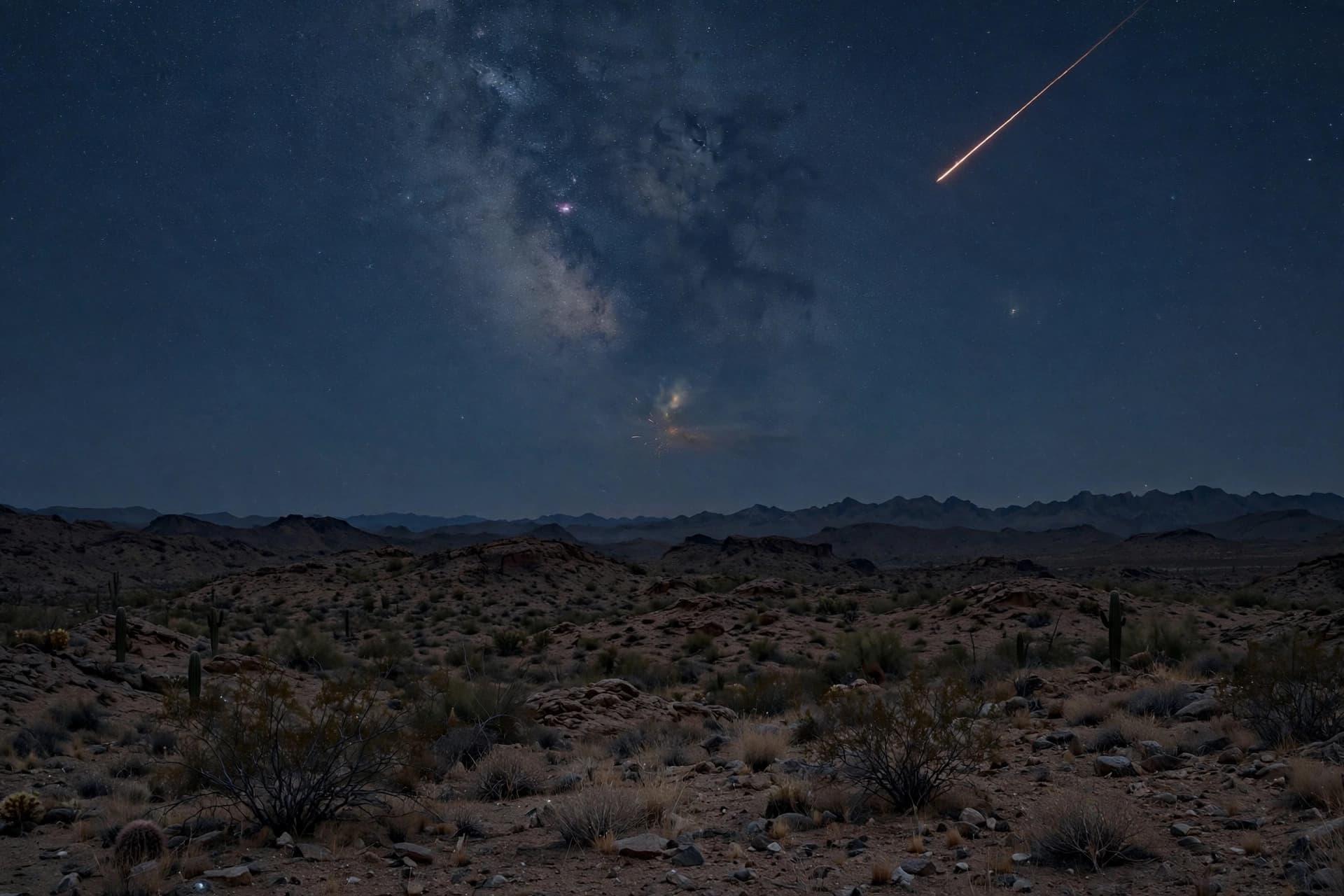
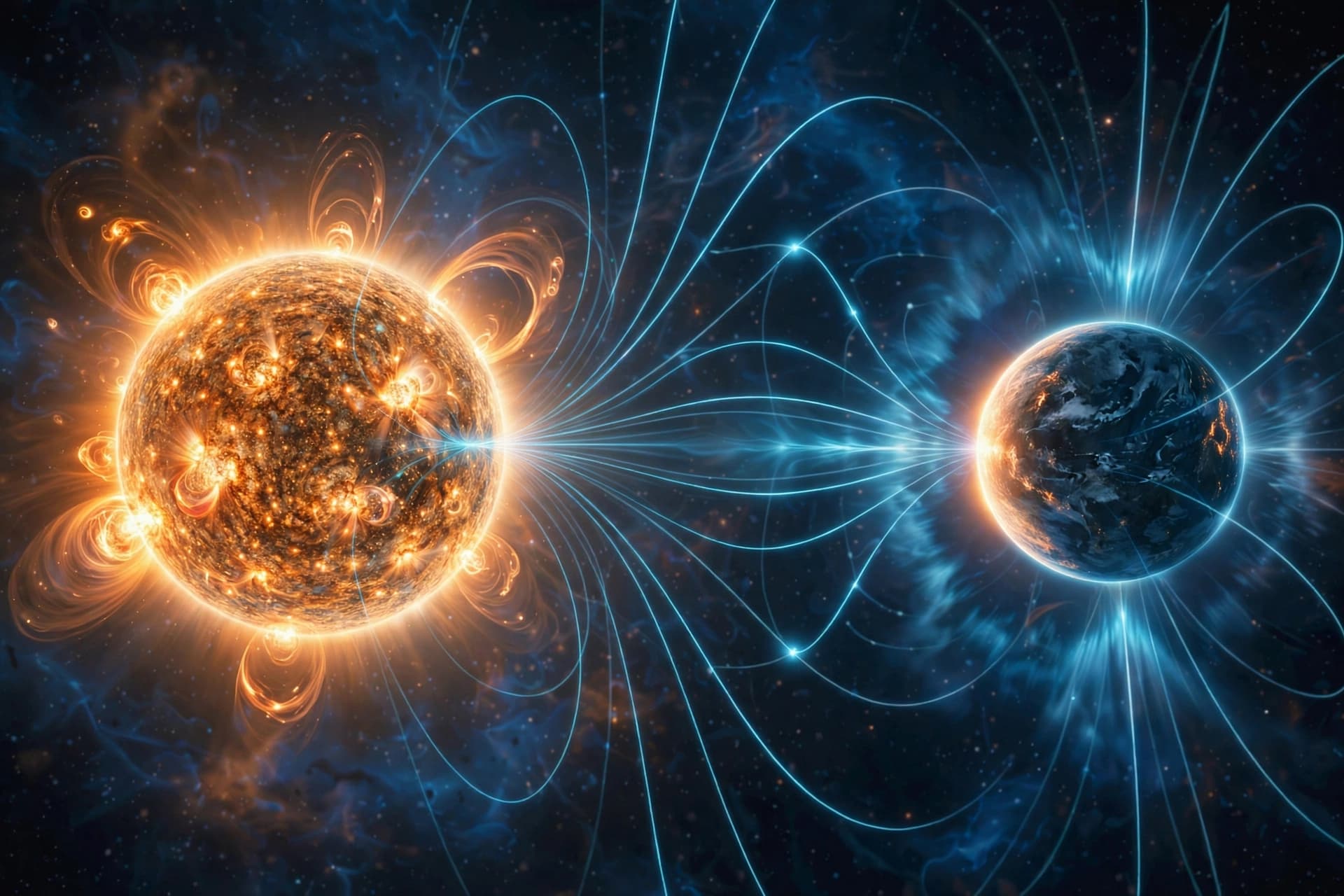
There are moments in science when the universe seems almost to speak in riddles not in the thunderclap of revelation, but in the soft rustle of unanswered questions. Like a lone traveler passing through an empty hall, 3I/ATLAS came into our cosmic neighborhood, its journey stirring both curiosity and imagination. We raised our instruments, attuned to whispers across the void, yearning for a voice that might spring from distant intelligence.
As the third interstellar object ever observed within our solar system’s embrace, 3I/ATLAS held a unique place in our collective gaze. Astronomers pointed sensitive radio telescopes toward its path, intent on catching any narrowband signal that might arise from it the sort of technosignature that, in theory, an advanced probe might broadcast. Teams participating in extensive campaigns, including the Breakthrough Listen initiative, scanned across frequencies from roughly 1 to 12 GHz, reaching sensitivities capable of detecting emissions as faint as those from a simple handheld device.
In the early sweep of data there were moments that piqued curiosity transient blips, signals that at first glance seemed out of place among the static. Yet, as scientists applied rigorous filters and cross-checked against the silent backdrop of cosmic and terrestrial noise, these few candidates dissolved into the familiar chorus of human-made interference. What remained was a clear and quiet picture: not a single narrowband radio signal could be confidently traced to 3I/ATLAS itself.
Supporting this conclusion, other observatories recorded patterns of natural radio emission consistent with processes we understand well in comets signatures of hydroxyl and other molecular byproducts from outgassing ice warmed by the Sun. Such emissions speak of chemistry and motion, not coded transmissions.
The absence of an identifiable technosignature does not dampen the wonder of 3I/ATLAS’s passage; rather, it refocuses our attention on the natural marvels of interstellar objects. The object’s origin beyond our stellar neighborhood, its long, silent flight through the cosmic sea, and the subtle details of its composition all offer rich material for scientific inquiry. In listening and not hearing, we still learn about the limits of our current tools, the patience required in exploratory science, and the deep calm of space that often answers us with silence.
AI Image Disclaimer (rotated wording) *Visuals are created with AI tools and are not real photographs.*
Credible sources found on this topic:
Phys.org — reported on most sensitive radio observations and nondetection of technosignatures in 3I/ATLAS data. SETI Institute / Breakthrough Listen — detailed radio searches, multiple observatories, no technosignature signals found. IBTimes UK (science news) — overview of GBT technosignature search and nondetection. South African Radio Astronomy Observatory (SARAO) — MeerKAT radio observations confirming natural emission and no artificial signals. NASA / mainstream consensus reporting — reaffirmed natural comet nature and no technosignatures in evidence.
Published by Banx Network. This article is part of the Banx decentralized media programme, powered by the BXE token on the XRP Ledger.