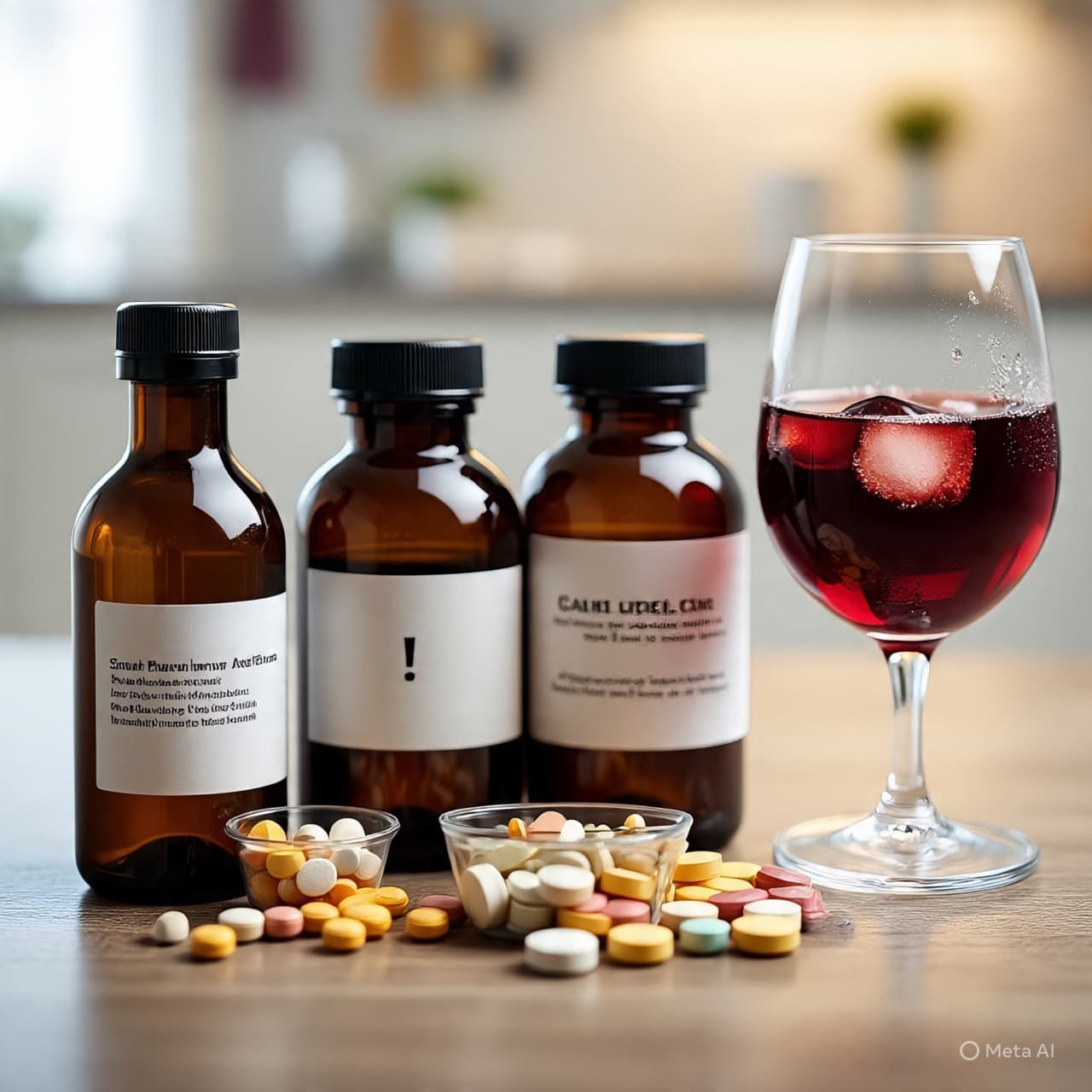
In the gentle stillness before sunrise, our routines often unfold like a slow current a cup of coffee, a handful of pills, perhaps the soft clink of a glass when evening falls. It’s easy to imagine these elements as harmless companions on the path to wellness. Yet beneath this everyday scene lies an important truth: some combinations, while unremarkable in isolation, can become treacherous when mixed with alcohol. Like two rivers that converge and deepen into unseen whirlpools, certain medications and alcohol together can sweep the body into places neither intended.
It’s common to overlook how alcohol, a substance so woven into social moments and quiet evenings alike, interacts with the very remedies meant to support our health. For instance, pain relievers like acetaminophen trusted for headaches and minor aches share processing pathways with alcohol in the liver. When taken together, the liver is tasked with a double burden that can escalate into serious liver injury over time, even when doses seem modest. Similarly, non-steroidal anti-inflammatory drugs (NSAIDs) such as ibuprofen or naproxen, often used for common aches, may heighten the risk of gastrointestinal bleeding if alcohol is present.
Prescription opioids including medications like oxycodone or hydrocodone bring a particularly stark lesson. Both alcohol and opioids slow the central nervous system; together, they can deepen sedation to dangerous levels and even suppress breathing, creating a perilous situation that medical professionals warn against. This synergy of effects can be likened to a quiet tide rolling in unexpectedly high calm on the surface, but profound beneath.
Psychiatric medications including benzodiazepines and many antidepressants also deserve careful attention. Alcohol’s depressant qualities can amplify drowsiness, dizziness, and cognitive impairment already associated with these drugs. This not only dulls the therapeutic benefits but can also make everyday tasks risky, affecting coordination and judgment.
Beyond the nervous system, other medications like certain antibiotics such as metronidazole can trigger unpleasant, even severe reactions when paired with alcohol, from nausea and flushing to cardiovascular effects. Blood thinners like warfarin also maintain a delicate balance within the bloodstream; alcohol alters this equilibrium and may increase the risk of bleeding.
These interactions remind us that the body is a finely tuned ecosystem, where every substance can influence another. Alcohol may seem like a benign backdrop to daily life, but it carries effects that ripple outward sometimes quietly, sometimes suddenly. Understanding how medications behave when alcohol enters the picture isn’t about fear; it’s about respect for the delicate chemistry of healing and wellbeing.
In closing, medical experts emphasize caution, not condemnation. Avoiding alcohol while taking certain medications can reduce the risk of adverse reactions and enhance the effectiveness of treatment. If questions arise about specific drugs or combinations, consulting a healthcare provider or pharmacist remains the wisest course. After all, care is not just about the medicine we take it’s about how we protect our bodies as a whole.
AI Image Disclaimer (Rotated Wording) Visuals are created with AI tools and are not real photographs.
Sources:
National Institute on Alcohol Abuse and Alcoholism (NIAAA) GoodRx drug safety information Drugs.com medication interaction guides Health Yahoo / EatingWell expert explanations HealthDirect Australia public health guidance
Published by Banx Network. This article is part of the Banx decentralized media programme, powered by the BXE token on the XRP Ledger.