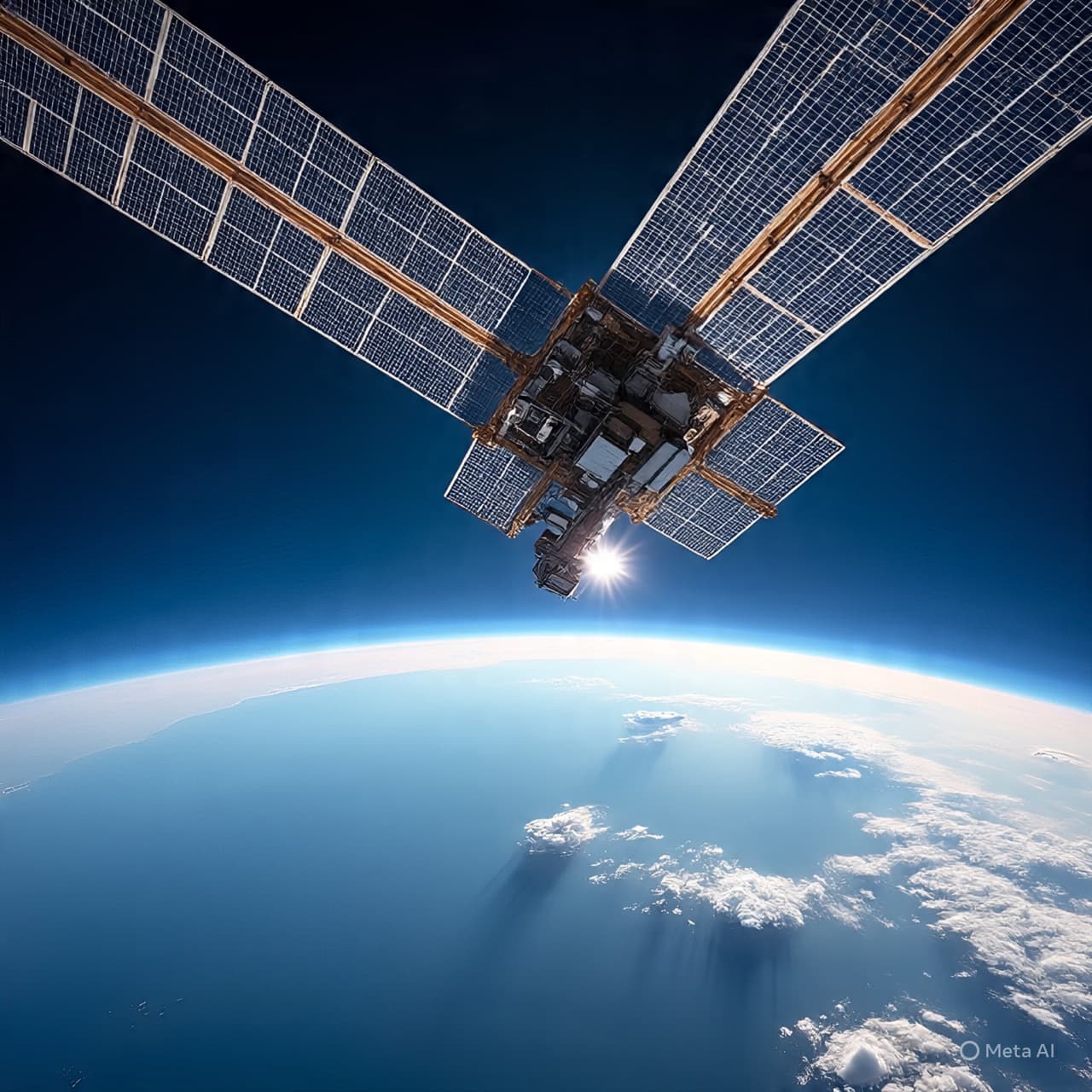
Space has often been described as the ultimate frontier — a place of courage, precision, and quiet endurance. Orbiting 250 miles above Earth, the International Space Station circles the planet like a steady heartbeat, a symbol of human cooperation suspended in darkness. Life aboard it is meticulously planned, each movement calculated, each risk studied long before a rocket ever leaves the ground.
Yet even in the most carefully managed environments, the human body remains beautifully complex and sometimes unpredictable.
Recently, confirmed that astronaut became the first crew member to require a medical evacuation from the . The decision marked a rare and historic moment in the decades-long operation of the orbiting laboratory.
For years, space agencies have prepared for medical contingencies in orbit. Emergency return seats are always available aboard docked spacecraft, and crews train extensively for scenarios ranging from minor injuries to serious illness. Still, until now, no astronaut had required an early departure explicitly classified as a medical evacuation.
Dyson’s return to Earth came aboard the Russian spacecraft , which was already attached to the station as part of routine mission planning. NASA described the move as precautionary but necessary, prioritizing the astronaut’s well-being. Details regarding the specific medical condition were not extensively disclosed, in keeping with privacy considerations.
The evacuation did not signal a broader crisis aboard the station. Other crew members remained in orbit, and normal operations continued. Experiments proceeded. Communication lines stayed open. The quiet rhythm of research — studying microgravity’s effects on biology, materials science, and Earth observation — carried on.
Still, the moment carried symbolic weight. Human spaceflight has always walked a delicate line between ambition and vulnerability. Astronauts train for years to adapt to microgravity, radiation exposure, and isolation. Yet they remain subject to the same biological realities as those on Earth.
In many ways, the evacuation underscored the strength of international collaboration. NASA and its partners have long maintained contingency systems precisely for events like this. The swift coordination between ground teams and orbital crew demonstrated how carefully structured those safeguards are.
It also serves as a quiet reminder: space exploration is not solely about rockets and research. It is about people. Behind every mission patch is a human life — one that agencies are prepared to protect, even if it means altering carefully scripted timelines.
NASA officials later confirmed that Dyson was in stable condition upon landing and receiving further evaluation. The agency emphasized that astronaut health remains the highest priority in all mission decisions.
The station continues its orbit, unchanged in its path but marked by a subtle milestone. For the first time, a medical evacuation has entered its history — not as a sign of failure, but as evidence of preparedness in the face of uncertainty.
AI Image Disclaimer Illustrations were produced with AI and serve as conceptual depictions
SOURCE CHECK
Credible mainstream and niche sources covering this development include:
The New York Times BBC News CNN Reuters Space.com
Published by Banx Network. This article is part of the Banx decentralized media programme, powered by the BXE token on the XRP Ledger.