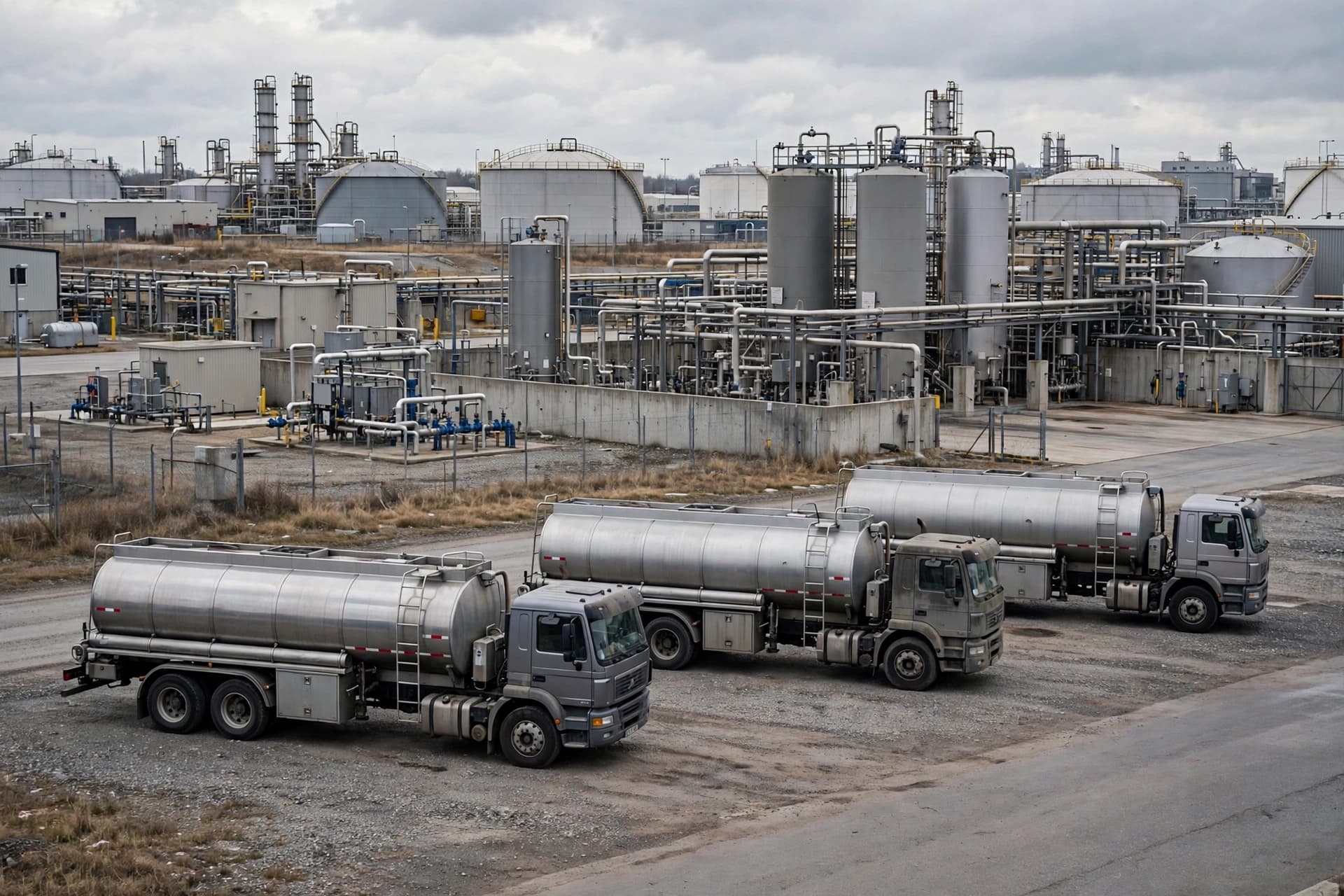
The Black Sea has long been a crossroads of commerce, its surface carrying both the weight of history and the rhythm of modern trade. When news emerged of a drone strike affecting the region, many anticipated immediate disruption. Yet Chevron confirmed that loadings at the CPC terminal — a major artery for energy flows — continued despite the incident. It was a reminder that in global energy logistics, resilience often unfolds quietly, without dramatic gestures or sweeping declarations.
Energy corridors rarely enjoy stability; they move through shifting tides of geography, technology, and risk. The latest event near the CPC terminal underscored the fragile balance that operators navigate daily. While the strike prompted concern, the continuation of loadings suggested that infrastructure, contingency planning, and coordinated safety protocols had absorbed the shock more effectively than many observers expected. In an industry where delays ripple outward across continents, even a few hours of continuity can be significant.
Analysts note that the CPC route remains one of the most important pipelines connecting inland fields to maritime export points. Its operations have weathered storms, technical challenges, and geopolitical tension over the years. Each incident — large or small — feeds into larger conversations about redundancy, security, and long-term reliability. The latest disruption renewed those discussions, but it also demonstrated that the system’s operational backbone remains sturdy.
Market watchers reacted with measured caution, recognizing that the real question is not whether loadings can continue today but how well such infrastructure can withstand the cumulative pressures of an increasingly unpredictable environment. Global energy supply has become deeply intertwined with remote monitoring systems, rapid-response teams, and layers of engineering protections. These elements are invisible to most consumers, yet they are the mechanisms that keep fuel flowing to refineries and economies.
For communities near the Black Sea, the incident added another page to a familiar story — one in which regional activity is shaped by forces far beyond local boundaries. Residents often feel the tension that accompanies major energy routes, even when operations remain uninterrupted. The ability of companies to maintain activity after an incident brings reassurance but also a renewed awareness of the delicate machinery supporting everyday commerce.
Chevron’s confirmation may calm immediate concerns, but the episode leaves behind quiet reflections. What does resilience look like in an era of accelerated risk? How do operators preserve both momentum and safety when unexpected disruptions become part of the operational landscape? The answers lie not in dramatic headlines but in the steady work of engineers, inspectors, and logistics teams who keep terminals functioning through uncertainty.
For now, the tankers continue to load, the pipelines continue to hum, and the Black Sea — ever a stage for global trade — resumes its role. The incident has not been forgotten, but operations move forward, supported by a framework designed to withstand more than just the everyday tides.
Published by Banx Network. This article is part of the Banx decentralized media programme, powered by the BXE token on the XRP Ledger.