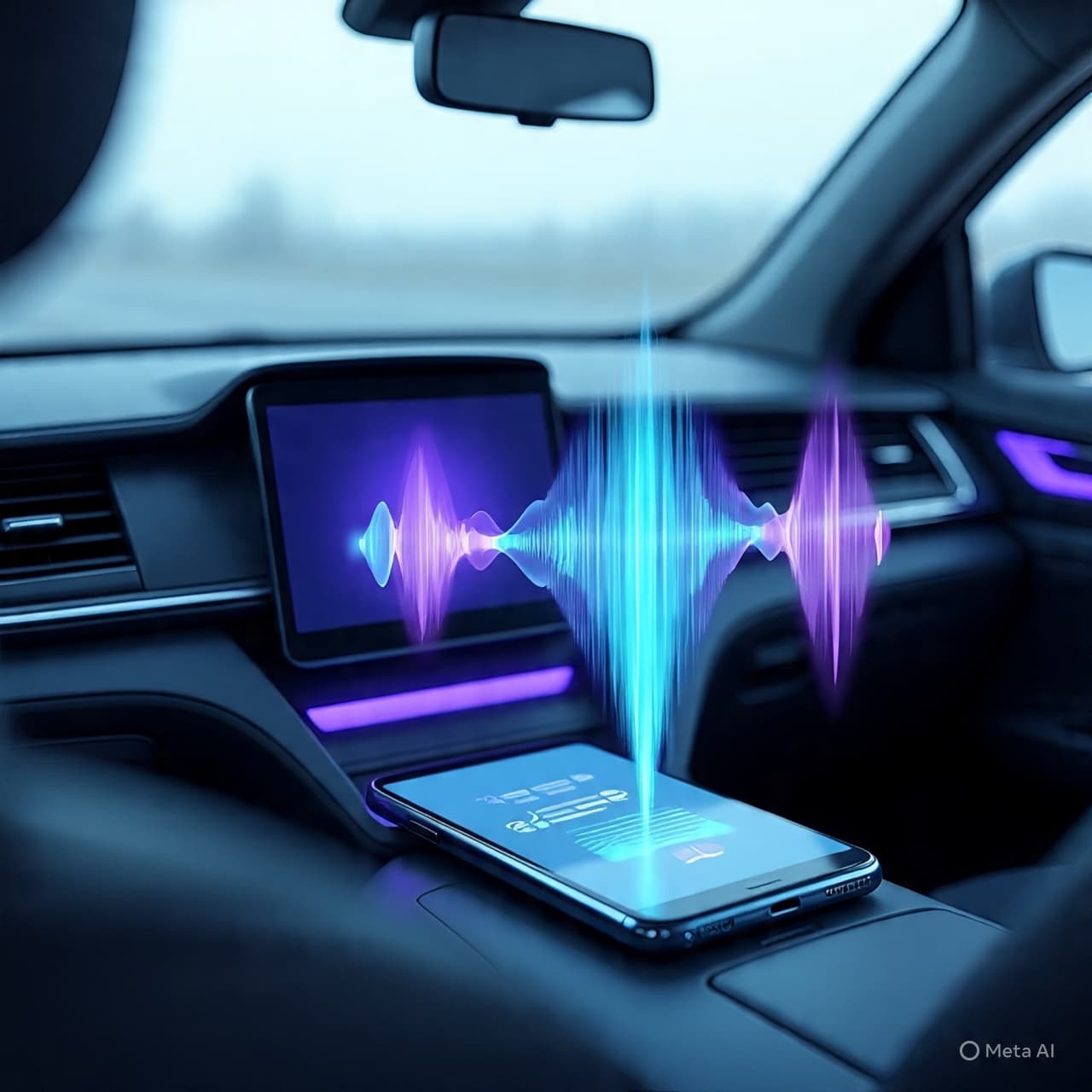
Driving has always been a conversation of sorts — between hands and wheel, eyes and horizon, instinct and intention. In recent years, that dialogue has expanded to include a digital voice, offering directions, answering calls, and reading messages aloud. The dashboard, once mechanical and silent, has grown conversational. Now, it may be preparing to listen more closely than ever before.
Reports suggest that is exploring expanded conversational AI capabilities within . If realized, the update could deepen how drivers interact with their vehicles — shifting from simple command-based prompts to more fluid, context-aware exchanges.
CarPlay has long served as a bridge between the iPhone and the car’s infotainment system, allowing users to access navigation, messages, music, and select apps through a familiar interface. Voice assistants already play a role, primarily through Siri, responding to structured requests such as sending a text or setting a destination. But conversational AI implies something broader — a system capable of understanding follow-up questions, maintaining context, and responding in a more natural rhythm.
The potential integration aligns with a wider industry movement toward generative and conversational artificial intelligence. Technology companies are reimagining digital assistants as dynamic companions rather than static tools. In a driving environment, this evolution could translate into smoother interactions: asking about traffic conditions, refining route preferences mid-journey, or adjusting vehicle settings through dialogue rather than discrete commands.
There is also a safety dimension to consider. Hands-free communication is not merely convenient; it is increasingly expected. A more intuitive conversational interface may reduce friction and cognitive load, allowing drivers to keep their focus on the road. The balance, however, is delicate. Advanced features must enhance awareness rather than distract from it.
Apple’s broader strategy in AI has been closely watched, particularly as competitors emphasize generative capabilities across platforms. Expanding conversational intelligence into CarPlay would signal an effort to integrate AI not just into personal devices, but into the physical spaces where people spend hours each week. The car becomes another extension of the digital ecosystem — less a separate environment, more a connected node.
Industry observers note that deeper AI integration could also strengthen Apple’s ecosystem advantage. A seamless experience across iPhone, wearable devices, and vehicle displays reinforces user loyalty and brand continuity. In practical terms, conversational AI in CarPlay could enable more personalized recommendations, adaptive navigation, or richer media interactions.
Still, reports indicate that these enhancements are under development rather than formally released. As with many technology initiatives, timelines and implementation details remain fluid. What is clear is the direction of travel: toward interfaces that respond less like machines and more like participants in conversation.
In straightforward terms, Apple is reportedly working on adding expanded conversational AI support to CarPlay, potentially allowing more natural and context-aware voice interactions within vehicles. Further official details are expected in future product announcements.
AI Image Disclaimer Illustrations were produced with AI and serve as conceptual depictions.
Sources (Media Names Only)
Bloomberg 9to5Mac MacRumors The Verge CNBC
Published by Banx Network. This article is part of the Banx decentralized media programme, powered by the BXE token on the XRP Ledger.