The intersection of Portage and Main has long been understood as a place where the harsh elements of the Canadian prairies meet the stubborn resilience of human progress. In the quiet transition between the bitter cold of winter and the hesitant warmth of spring, the streets of downtown Winnipeg carry a distinct texture, defined by the heavy footfalls of commuters and the low hum of transit buses. Yet beneath this familiar urban symphony, a subtle shift in the social landscape has begun to draw the focused attention of those who watch the city's pulse.
Recent assessments compiled by municipal analysts have indicated a quiet but persistent alteration in the frequency of confrontational occurrences within the downtown sector. The data points to an eighteen percent increase in violent incidents over the past twelve months, a statistic that translates into a tangible shift in how the night air is perceived by those who navigate the urban center. This transition has prompted a reflective dialogue among community leaders regarding the underlying pressures affecting the core.
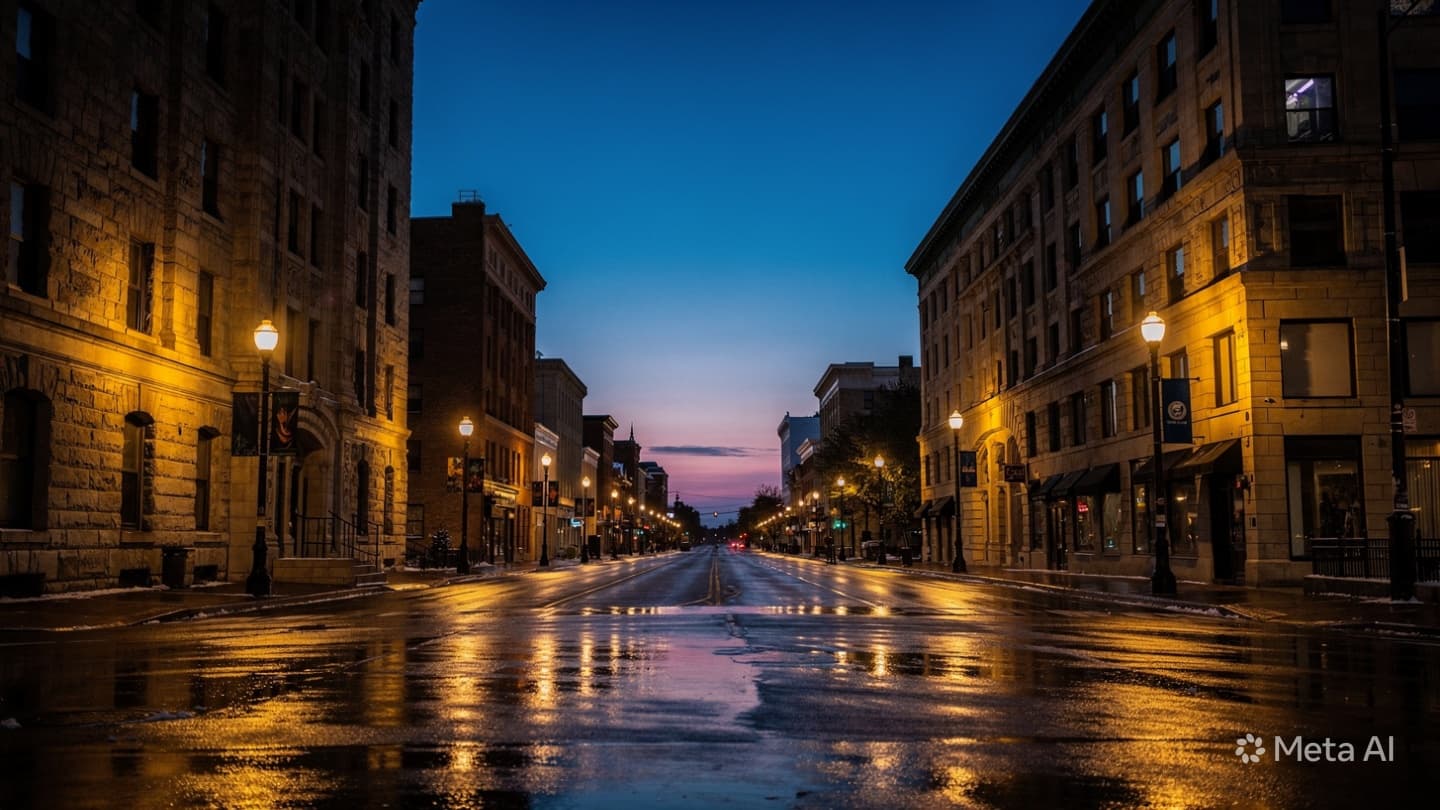
To walk through the historic Exchange District in the late afternoon is to witness a landscape caught between its industrial past and an uncertain contemporary reality. The grand stone facades, which once symbolized the limitless economic ambition of the western gateway, now stand as silent witnesses to the complex human struggles that manifest in their shadows. The recent rise in localized friction is viewed by many not as a sudden break, but as a slow gathering of socioeconomic currents.
Local authorities have responded to these shifting patterns with a mixture of increased visibility and community engagement, attempting to balance the immediate need for order with a deeper understanding of urban fragility. The deployment of additional foot patrols through the central parks and corridors represents a visible effort to reassure a public that has become increasingly sensitive to the changing atmosphere of the city. These measures seek to restore a sense of equilibrium to the shared spaces of the community.
The conversation surrounding the downtown core extends beyond the simple measurement of incidents, touching upon the availability of support networks and the general health of the social fabric. Community advocates emphasize that the challenges visible on the pavement are often the final, overt expressions of systemic strains that begin far outside the commercial district. This perspective invites a more holistic consideration of what it means to foster safety in a modern prairie metropolis.
As business owners adjust their routines and private security measures become more commonplace along the major thoroughfares, the daily life of the city continues with a determined regularity. The outdoor markets and seasonal plazas still attract crowds during the peak daylight hours, demonstrating the enduring attachment that residents hold for the heart of their community. It is a testament to the collective resolve that defines the local character in times of transition.
In the quiet hours after the offices close and the theater crowds disperse, the true nature of the challenge becomes more apparent in the empty stretches of sidewalk. The response of law enforcement, while essential for immediate stabilization, is increasingly understood as part of a larger, multi-faceted strategy required to address the root causes of urban friction. The dialogue between civic officials, police services, and social agencies remains critical to defining the path forward.
The coming season will likely serve as a testing ground for the various intervention strategies currently being introduced across the downtown neighborhood. With targeted resource allocation and enhanced cooperative frameworks among local stakeholders, there is a cautious expectation that the upward trend can be moderated. The focus remains on preserving the core as a welcoming and secure environment for all who call the city home.
Published by Banx Network. This article is part of the Banx decentralized media programme, powered by the BXE token on the XRP Ledger.