In the humid hush that often follows the rainy season, there is a subtle shift in the air. Puddles linger. Mosquitoes hum where still water gathers. And in that near-invisible exchange between insect and human, entire public health systems can find themselves on alert.
Bolivia has reported three deaths linked to Chikungunya fever, prompting authorities to declare a red alert in affected regions. The announcement comes amid a rise in infections that health officials say requires heightened surveillance, vector control measures, and public awareness campaigns to prevent further spread.
Chikungunya is a mosquito-borne viral disease transmitted primarily by Aedes aegypti and Aedes albopictus mosquitoes — the same species associated with dengue and Zika. Symptoms typically include sudden high fever, joint pain, muscle aches, fatigue, and rash. While most patients recover, joint pain can persist for weeks or months. Severe complications and fatalities are relatively rare but can occur, particularly among older adults or those with underlying health conditions.
Bolivian health authorities have indicated that the red alert status is designed to mobilize coordinated responses across hospitals, local governments, and vector control teams. Such alerts often activate emergency protocols, including intensified fumigation campaigns, distribution of medical supplies, expanded diagnostic capacity, and public communication efforts urging residents to eliminate standing water around homes.
The current situation reflects broader regional patterns. Parts of Latin America have experienced periodic surges of mosquito-borne illnesses, influenced by seasonal rainfall, urban density, and climate variability. Warmer temperatures and changing weather conditions can extend mosquito breeding cycles, complicating containment efforts. Public health experts frequently emphasize that vector control remains the cornerstone of prevention.
In Bolivia, the reported deaths underscore the seriousness with which officials are treating the outbreak. Hospitals in affected areas have reportedly been instructed to prioritize early diagnosis and supportive care. There is no specific antiviral treatment for Chikungunya; management focuses on relieving symptoms and monitoring for complications. Preventive measures — including the use of insect repellent, protective clothing, and community-level mosquito control — remain central to reducing transmission.
At the same time, health authorities have sought to reassure the public that most infections are mild and that early medical consultation can reduce the risk of severe outcomes. Public messaging has focused on practical steps: covering water storage containers, clearing gutters, and seeking care if symptoms develop.
The red alert designation signals vigilance rather than panic. It is a procedural escalation intended to strengthen coordination and resource allocation during a defined period of elevated risk. Such measures are not uncommon in regions where mosquito-borne diseases are endemic and seasonal spikes are anticipated.
In straightforward terms, Bolivia has confirmed three deaths associated with Chikungunya fever and declared a red alert to intensify response efforts. Health officials continue to monitor case numbers and implement vector control strategies aimed at containing the outbreak. Further updates are expected as surveillance data evolves.
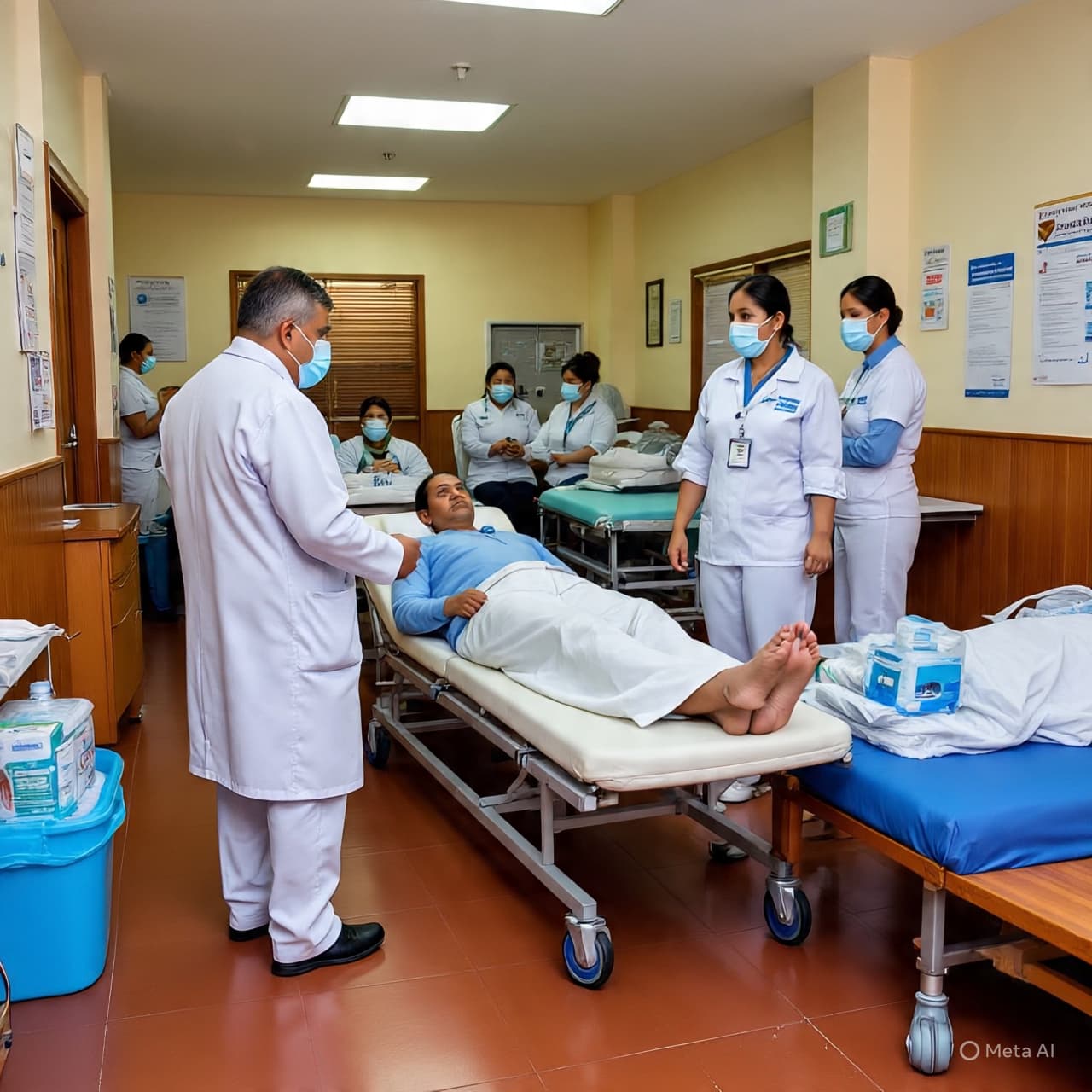
AI Image Disclaimer: Illustrations were produced with AI and serve as conceptual depictions.
Source Check:
Reuters BBC Associated Press Al Jazeera Pan American Health Organization
Published by Banx Network. This article is part of the Banx decentralized media programme, powered by the BXE token on the XRP Ledger.