There is a quiet arithmetic to the places we call home—a calculation of cost and comfort, of proximity and privacy, of the delicate balance between welcome and overcrowding. In Logan, a city stretching between Brisbane and the Gold Coast, that arithmetic has become a matter of fierce debate, as council members weighed the urgent need for affordable housing against the fear of what might grow in its shadow.
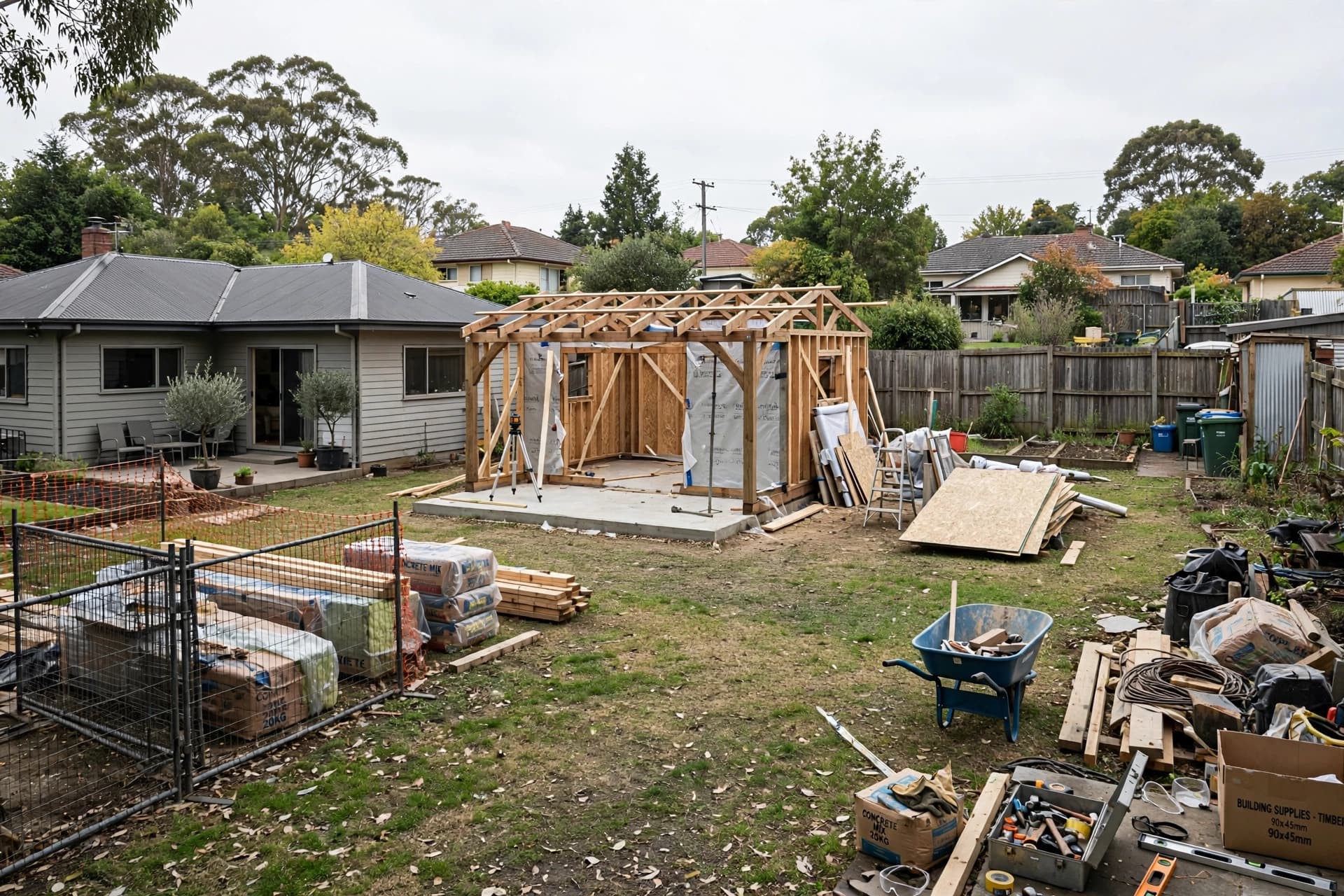
On Tuesday, Logan City Council voted to halve its infrastructure charges for one-bedroom granny flats, reducing the fee from $27,000 to $13,500. The measure, intended to encourage the construction of secondary dwellings, passed with the support of eight councillors, with three in opposition and one abstention . The new rules are expected to take effect in November.
The debate exposed a genuine tension between two legitimate concerns. Councillor Nathan St Ledger, who supported the change, described the existing charges as "bloody expensive" and argued that they were preventing families from building granny flats for aging parents or adult children struggling with housing costs. "You've got rocks in your head if you think people aren't going to do it," he said, acknowledging that some investors might exploit the discount but insisting that those who "do the right thing" should not be penalized .
Mayor Jon Raven, who voted against the measure, painted a darker picture. He pointed to a loophole created by Queensland government laws in 2022 that allow property owners to rent granny flats to non-family members. He warned that "savvy investors" would use the discount to fit more renters into small backyard lots, creating the kind of overcrowded conditions the city has struggled with before. "We saw what happened with auxiliary units," he said. "We got slums, and we can still see them in parts of the city today, because we can't remove them once they've been approved" .
The debate in Logan reflects a broader struggle playing out across Australia, where housing affordability has become a defining political issue. Granny flats offer one of the few paths to increasing density in existing suburbs without the cost and controversy of large-scale development. But without careful regulation, they can also become vehicles for exploitation.
Under the current rules, infrastructure charges can be waived entirely if the granny flat is connected to the primary home and used for family members. The new discount extends the incentive to a broader range of builders. Whether it will produce the affordable housing the council hopes for—or the slums the mayor fears—remains to be seen. For now, the decision has been made, and the construction can begin.
AI Image Disclaimer: The images accompanying this article are generated by artificial intelligence and are intended for illustrative purposes only.
Sources: Australian Broadcasting Corporation, 4BC Breakfast, Flipboard
Published by Banx Network. This article is part of the Banx decentralized media programme, powered by the BXE token on the XRP Ledger.